At the Sadarghat launch terminal, the journey of a plastic bottle does not always end if a passenger throws it away.
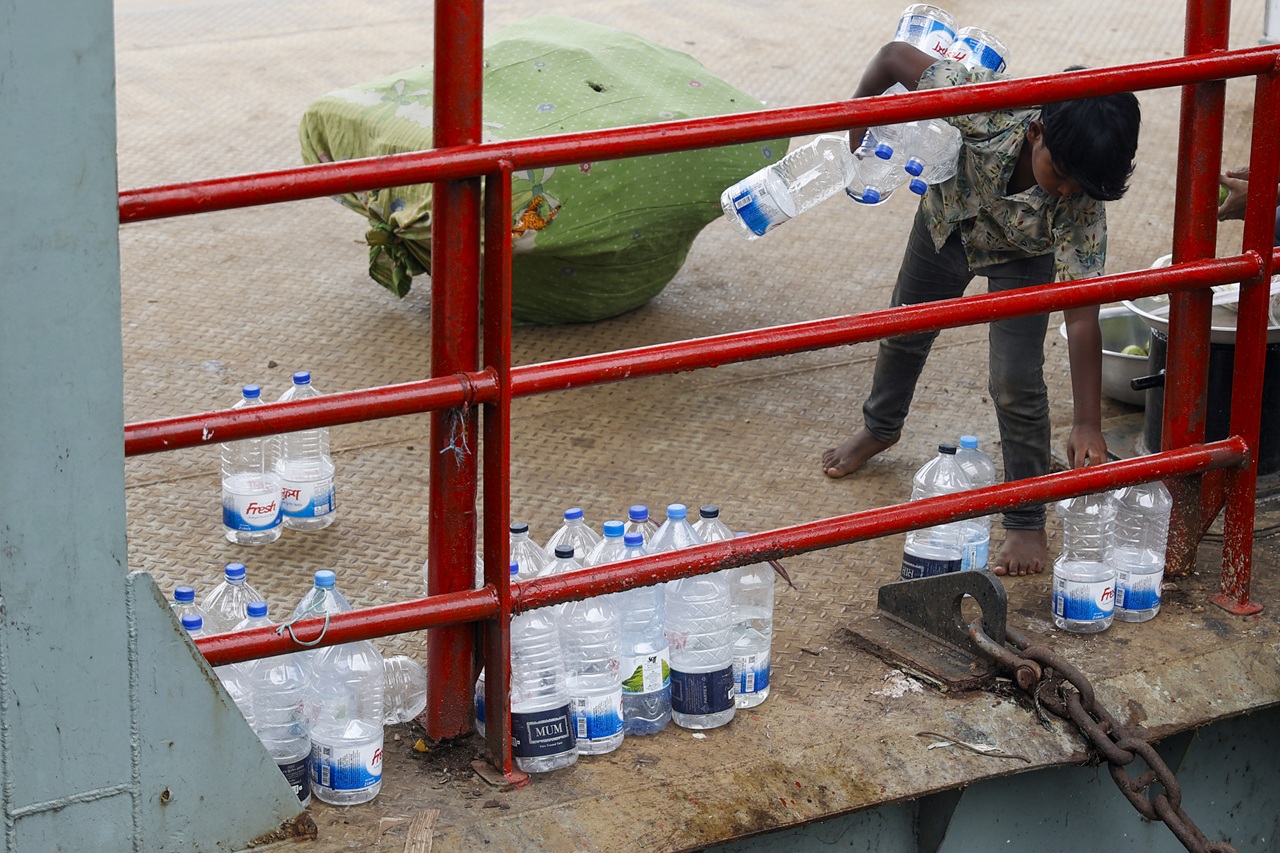
When launches dock in Dhaka, children climb aboard and sift through the waste left behind. Plastic bottles are scattered across decks and cabins. What they collect does not go to waste. Instead, it enters a quiet, informal cycle of reuse.
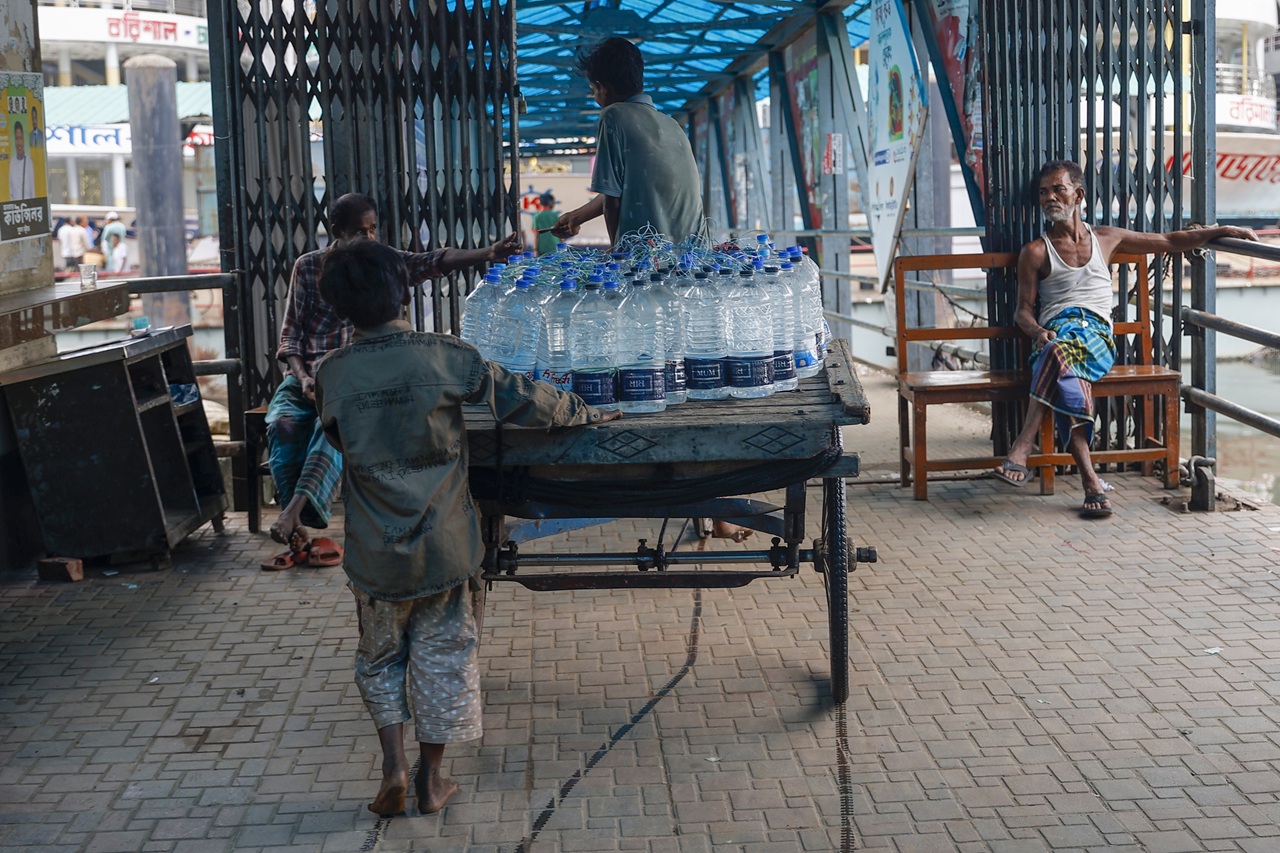
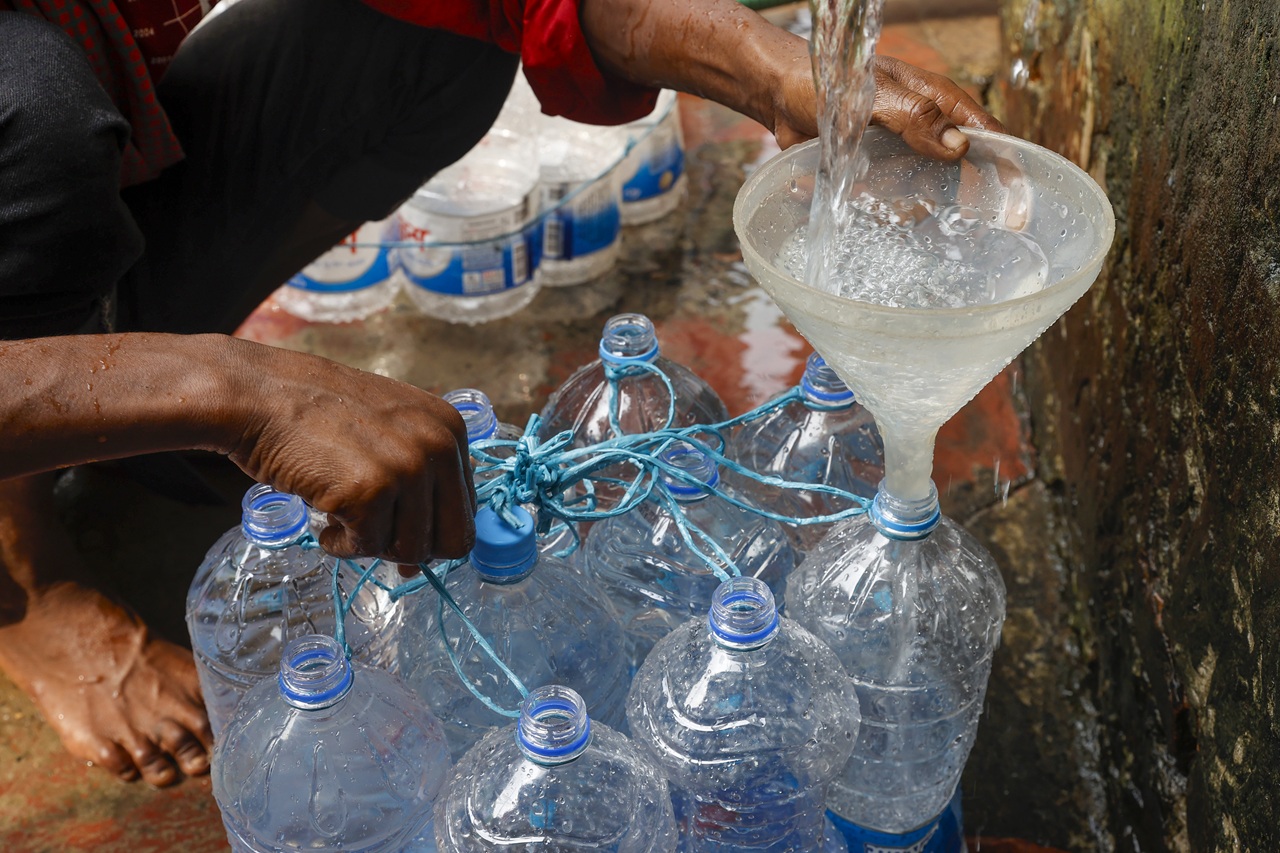
Near a public toilet beside the terminal, the plastic bottles are rinsed, sometimes only briefly, then refilled with tap water. The caps, often handled separately, are pressed back on. The bottles are tied together in bundles and carried back toward the launches, ready to be sold again.

Price is what keeps this trade alive. A two-litre refilled bottle sells for Tk 20, half the cost of a sealed one, which typically goes for Tk 40. For low-income passengers travelling on crowded decks under the heat, the cheaper option is hard to ignore.
Rabbi, one of the children involved, said, “People buy from us because it’s cheaper. If it’s hot, we can sell a lot in a day. Yesterday, I sold 38 bottles.”



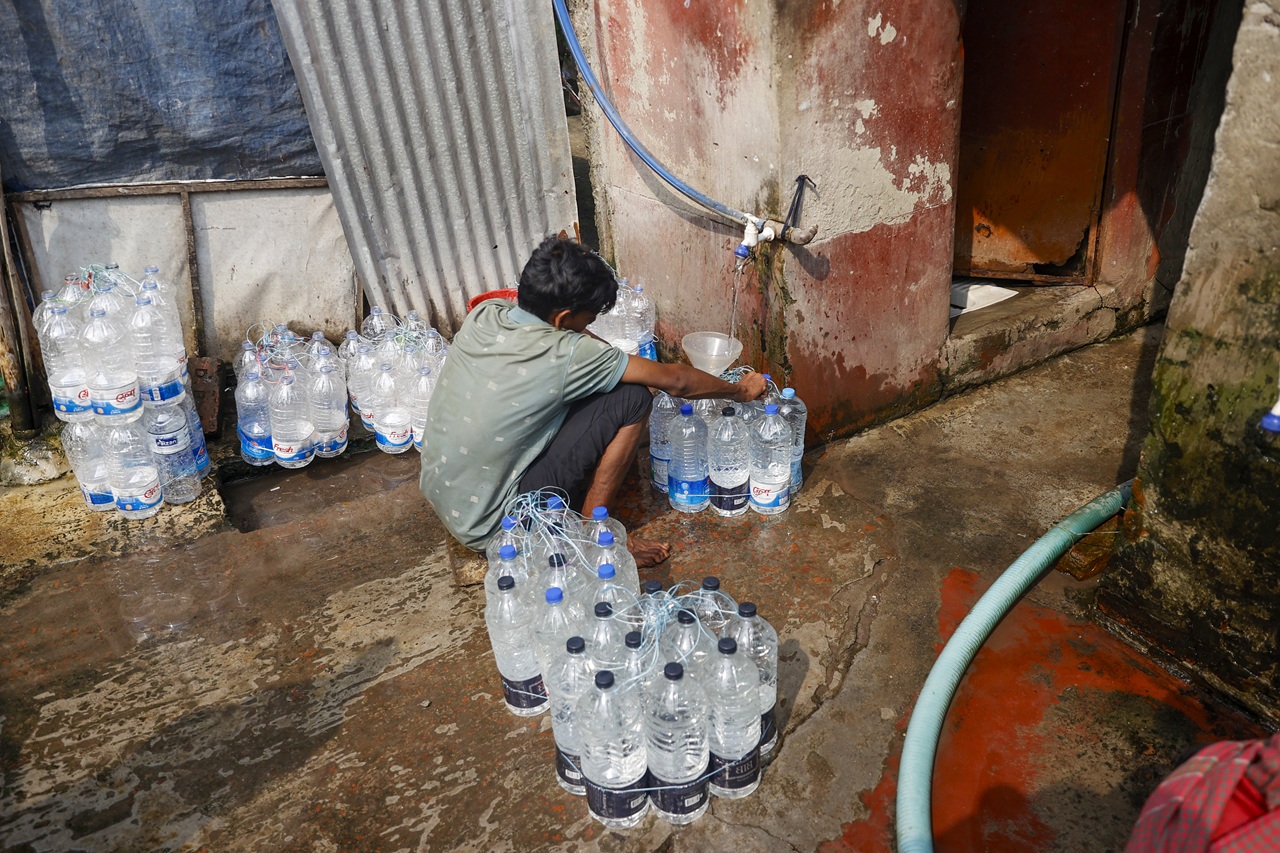
Eight-year-old Shahin told a similar story. On a good day, he sells about 20 bottles, all collected from launches after passengers disembark and leave them behind.
What emerges is a hidden chain of trade inside one of the country’s busiest river terminals: passengers discard, children collect, bottles are refilled from an uncertain source and then sold back to another set of passengers. But the low price comes with a cost that is not immediately visible.
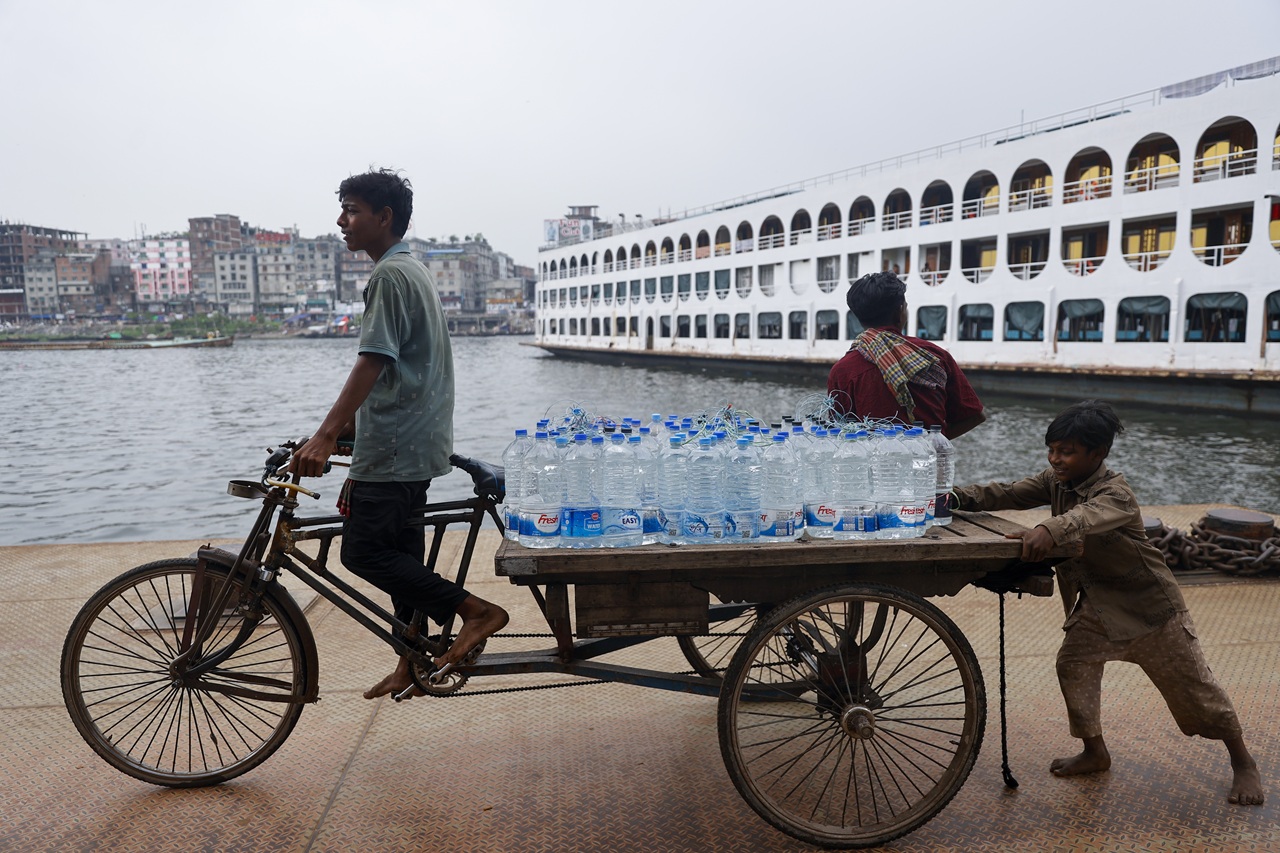
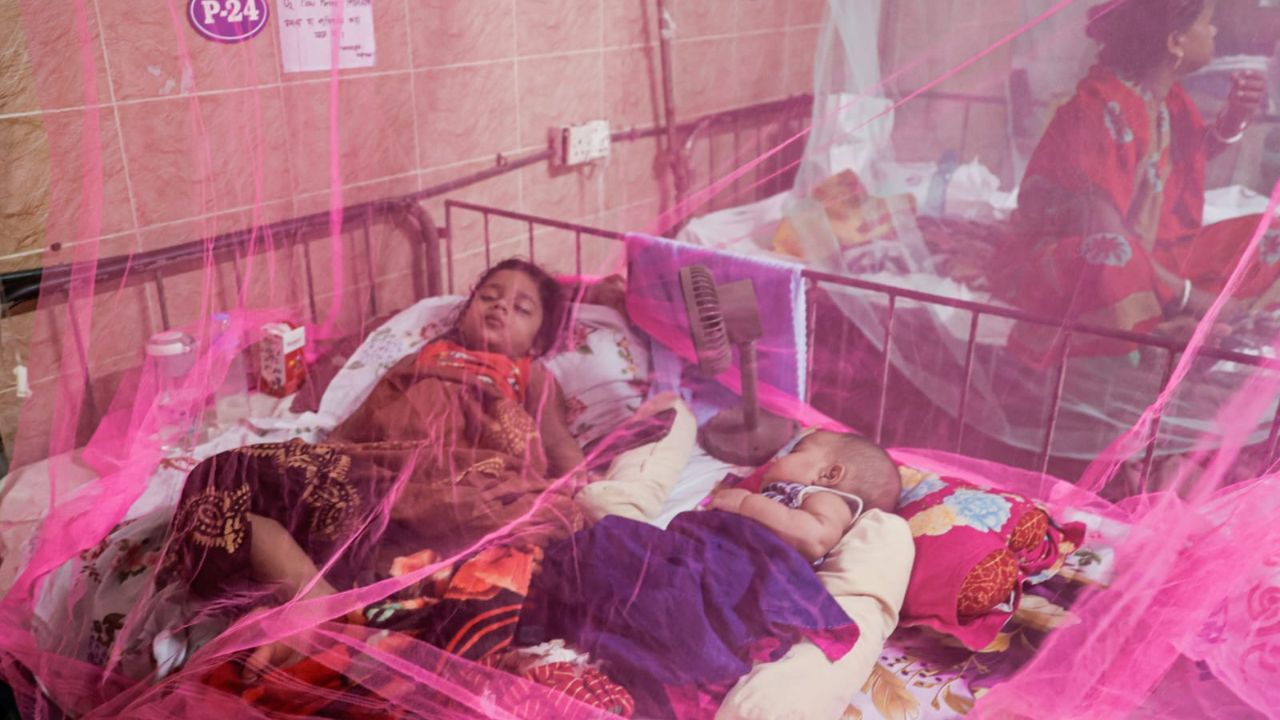
The bottles are reused without proper sterilisation. The water is drawn from a tap beside a public toilet. There is no quality check, no sealing process, and no guarantee of safety. For those who drink, especially children and the elderly, the risk of waterborne disease is real.
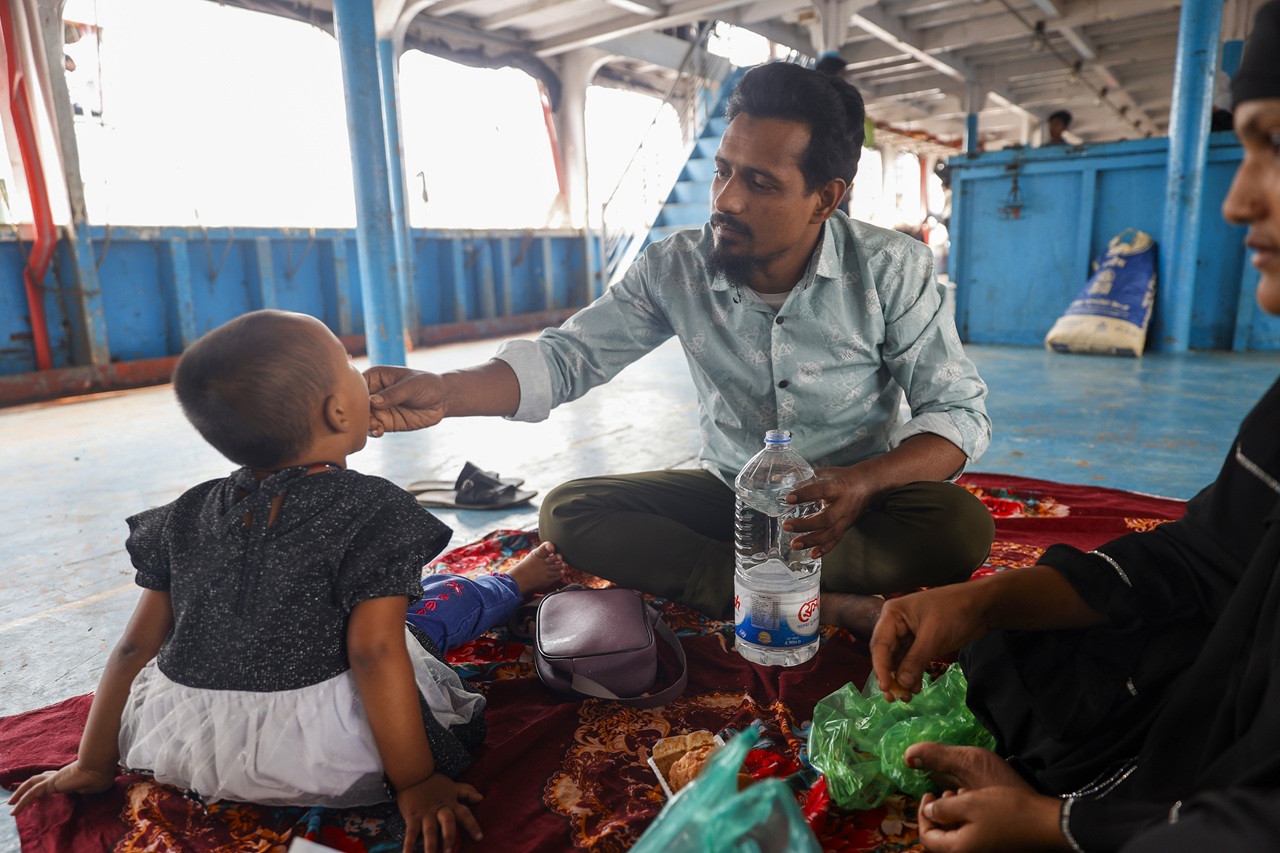
Yet many passengers remain unaware. Alamin, travelling from Dhaka to Bhola with his family, was seen handing one such bottle to his three-year-old daughter, Tasfia. For passengers like him, the decision is rarely about preference; it is about necessity. Between affordability and safety, cost often wins.
As launches pull away from the terminal, packed with passengers bound for distant river routes, the half-price bottles travel with them. They are cheap, convenient, and carry risks that few stop to question.