The US Pentagon has reportedly begun emailing military experts to solicit advice on the most effective ways to “punish” Iran, as conflict between US-Israeli alliance and Islamic Republic continues to impact global energy markets.
A spokesperson for Centcom stated that such outreach is not unusual, asserting that the command has a “long history of thinking and working in innovative ways”.
However, the request for external expertise has led to suggestions that Pentagon did not anticipate the conflict, which began on 28 February, would persist for this duration.
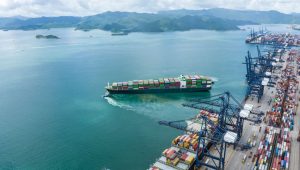
The “on-again, off-again” war has resulted in Iran closing Strait of Hormuz, causing energy prices to skyrocket and creating a direct economic impact on US voters, reports Middle East Eye.

US President Donald Trump announced that negotiations with Iran were scheduled to commence on Monday afternoon.
This announcement followed his decision on Saturday to halt planned military strikes against the country at the last minute to pursue a potential deal.
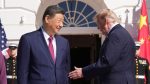

“Obviously, they don’t want to be attacked,” Trump told reporters, adding that the parties would be “talking to them in the form of a negotiation”.
In contrast, the Iranian foreign ministry has explicitly denied that any negotiations with United States are currently taking place.
Iranian Foreign Ministry Spokesperson Esmaeil Baghaei clarified during a press briefing that while there are no talks with Washington, Tehran is engaged in “constructive” discussions with Oman regarding passage through Strait of Hormuz.
Baghaei noted that Iran is seeking an agreement on a new route and expressed hope that regional and extra-regional actors would appreciate Iran’s “responsible move”.
However, he maintained that the situation in Strait of Hormuz will remain “unchanged” if US naval blockade on Iranian ports continues.
Amid the heightening tensions, Saudi Arabia has urged for a diplomatic resolution. State media reported that Crown Prince Mohammed bin Salman spoke with President Trump via telephone on Sunday.
Salman reportedly stressed the “necessity of prioritising dialogue to de-escalate tensions” and highlighted the importance of a truce to pave the way for diplomatic solutions.