The “peace agreement” between students of Dhaka College and Dhanmondi Ideal College has collapsed only after a month, as the two groups clashed again around 11am on Tuesday at the Science Laboratory intersection in the capital.
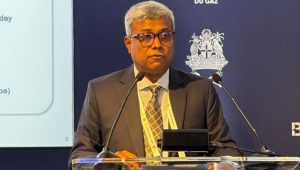
On 9 November, Dhaka College Principal Prof AKM Ilias, Ideal College Principal Prof Mobasher Hossain and New Market Police Station’s OC AKM Mahfuzul Haque facilitated a truce between the rival groups, seeking to end violence and foster a sense of brotherhood.
However, tensions resurfaced exactly a month later.
Verbal Spat Last Week Sparked Today’s Violence
On 2 December, several students from both colleges were travelling on the same bus when an argument escalated into a scuffle, said police and other sources.
As the dispute intensified, Ideal College students marched towards Dhaka College, leading to a confrontation in front of Uttara Bank.

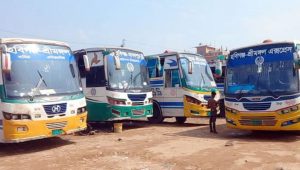
Ideal College students allegedly threw stones at a Dhaka College bus near LabAid Hospital, triggering fresh clashes, said New Market Police Station OC Mohammad Ayub.
Earlier, Kalabagan Police Station Inspector (Investigation) Rafiqul Islam told TIMES of Bangladesh that the violence began when a Dhaka College student assaulted a student from Ideal College. In retaliation, Ideal College students intercepted a Dhaka College bus at Science Lab, prompting further clashes in front of Ideal College.
More than 15 clashes in a year
Over the past year, students of Dhaka College, Ideal College and City College have been involved in at least 15 violent incidents.



On 10 September 2024, students of Dhaka College and Ideal College engaged in a clash. On 15 September, Ideal College students attacked a Dhaka College bus. On 19 November, a scuffle occurred over boarding a bus. It led to violence between Dhaka College and City College students; at least 37 people were injured. Afterwards, multiple altercations broke out among the three colleges, including clashes on 19 January, 25 January, 5 February, 9 February, 20 February, 15 April and 21 April. On 13 October, Dhaka College’s higher secondary students blocked Science Lab after a teacher–student altercation over the proposed Dhaka Central University Act 2025. The blockade was withdrawn the next day. On 19 October: Dhaka College and Ideal College students again engage in violence and chase-and-counter-chase confrontations. Similar incidents occurred again on 26 October.
Public suffering: Businesses hit, patients stranded
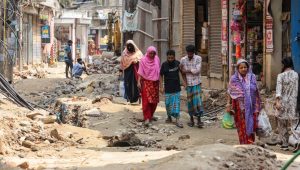
Regular clashes disrupt life in one of Dhaka’s busiest commercial and hospital zones. Local traders, patients heading to hospitals, commuters and residents all report severe inconvenience.
Mirpur Road—home to Dhaka College, City College, LabAid Hospital, Popular Hospital, New Market and Gausia Market—comes to a standstill for hours during clashes. Patients heading for emergencies or scheduled check-ups frequently face delays.
Beauty Akhter, a schoolteacher travelling with her father for a routine check-up at LabAid, told TIMES, “We couldn’t reach the hospital because the road was completely blocked by the clashes.”
Businesses in New Market, Gausia and Priyangon Shopping Centre say their sales drop sharply on days of unrest. Restaurants suffer the most as customers avoid the area.
“Customers don’t come in when students start fighting. The day’s sales are gone and the food goes to waste,” said a restaurant owner at Science Lab.
Commuters also complain of repeated traffic disruption and urge both stricter policing and greater restraint from students.
Police Response
Police said additional forces have been deployed to restore order.
“The situation is under control now. Students have left the streets and we are working to normalise traffic. Baton-charge and sound grenades were used to disperse them,” said Kalabagan Police Station OC Md Fazle Ashik.
At least seven police officers were injured while performing their duties, OC Ashik said.
Education and conflict-management experts said college administrations must strictly enforce a zero-tolerance policy for violence. They stress that long-term solutions require emotional maturity and empathy among students.
Without mutual respect and a renewed commitment to peaceful behaviour, the cycle of clashes is unlikely to end, they said.