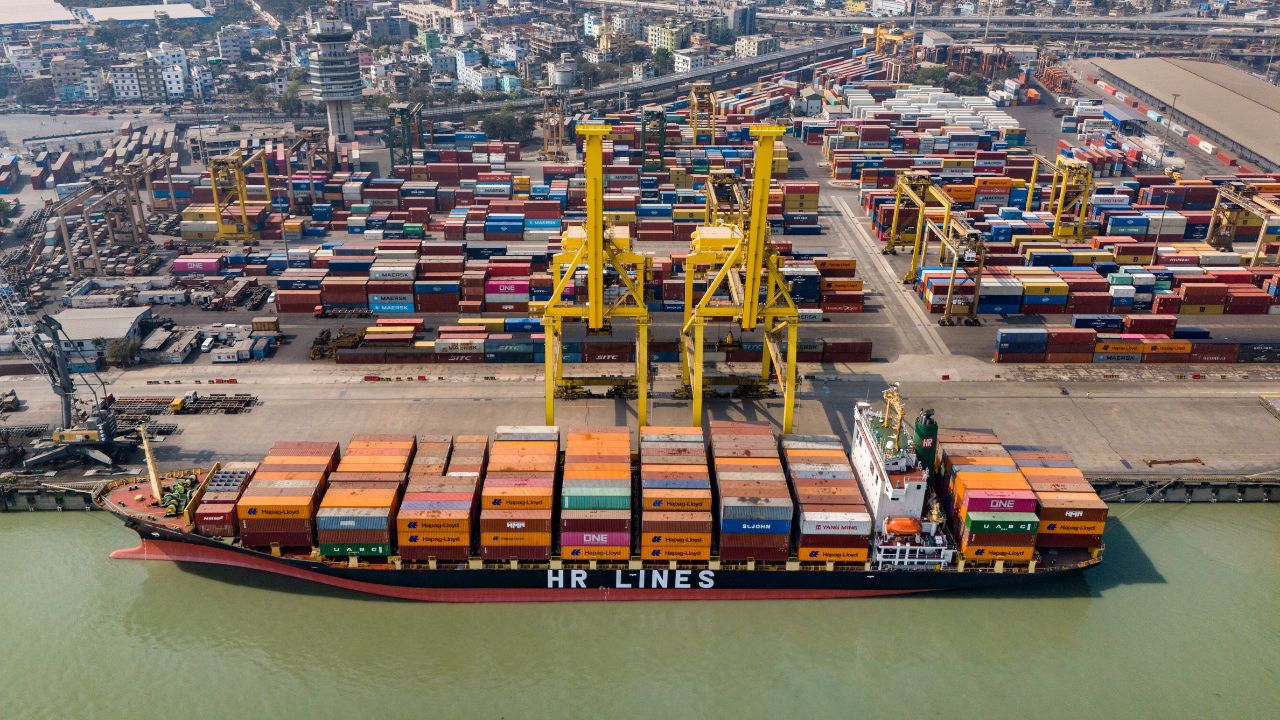
The Patenga Container Terminal (PCT), the first terminal of Chattogram port to come under foreign management, will likely become fully operational one or two months ahead of schedule next year.
This is because the Red Sea Gateway Terminal (RSGT), which took control of the PCT under a 22-year-long agreement on December 6, 2023, has already implemented about $160 million of its $170 million investment plan.
Based in Jeddah of Saudi Arabia, the RSGT recently purchased 14 rubber-tyred gantry cranes for $25 million while another four quay gantry cranes are set to arrive by May 2026.
Once in place, these cranes will enable faster container handling and thereby accelerate vessel movement at the PCT, which was built at a cost of Tk1,230 crore using the Chattogram Port Authority’s (CPA’s) own funds.
Featuring three dedicated container jetties, the PCT has a projected annual container handling capacity of 500,000 TEUs (twenty-foot equivalent units). And even though its construction was complete in June 2022, the PCT was not officially launched until June 10, 2024.

As per its contract, the Saudi port operator is required to install all essential equipment by June 2026 to ensure full operations at the terminal by July that same year. However, RSGT officials have informed that they are on track to complete all necessary development works by April or May.
“When the new equipment goes into operation, container handling time will decrease significantly, and operational speed will increase,” said Syed Aref Sarwar, head of commercial and public affairs at RSGT.
Despite its slow start, the PCT has seen rapid growth in its container handling volume.



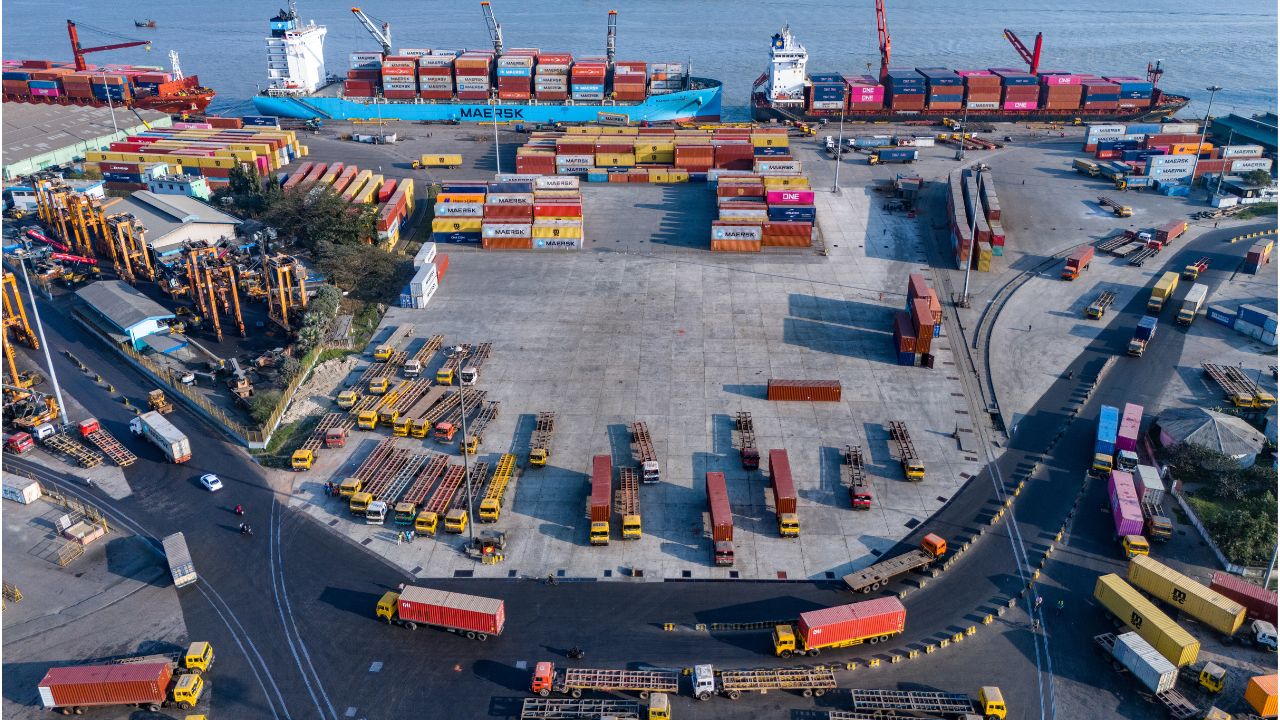
It handled a total of 34 ships carrying 30,818 TEUs of export containers in 2024. But so far this year, the PCT has handled some 60 ships loaded with 46,738 TEUs of import containers and 76,066 TEUs of export containers.
Against this backdrop, the RSGT expects to hit the 500,000 TEU annual handling capacity at the start of next year.
The PCT had faced delays in launching its import container handling services due to a bottleneck in installing necessary scanners.
Although the National Board of Revenue was responsible for the installation, the scanners were not put in place until the RSGT independently invested about $3.5 million for the task, which includes covering monthly maintenance costs.
Following the installation and approval, import cargo operations began on May 2 this year, ending nearly a year of delays.
CPA Chairman Rear Admiral SM Moniruzzaman told TIMES that the RSGT showed professionalism by installing scanners with its own funds two months after getting approval.
To facilitate handling and reduce congestion, the RSGT shifted import container delivery operations from the PCT yard to the South Container Yard (SCY) located 3.5 kilometres away on August 25.
A recent visit to the terminal showed import containers are being unloaded at the jetty using ship cranes being they are transported by prime movers directly to SCY for clearance.
Similarly, the export containers from private depots are brought to the PCT yard for loading.
The PCT is expanding its staff to support growing operations, with 420 permanent workers and 600 temporary/daily workers currently employed.
Alongside this, logistics support has been enhanced with the addition of a second container freight station (CFS) at the PCT. Previously able to handle only 100 TEUs of less than container load (LCL) cargo at a time, the RSGT recently added a 250 TEU facility.