The Panama Canal is expected to generate more than its initial fiscal 2026 revenue forecast of US $5.2 billion after the temporary closure of the Strait of Hormuz diverted additional global shipping through the strategic waterway, a Bloomberg report was quoted by Anadolu.
Ilya Espino de Marotta, who will take over as administrator of the Panama Canal Authority in September, told journalists that revenue for the fiscal year ending 30 September is likely to come in “a little bit more” than projected, driven by stronger vessel traffic and higher auction fees paid by ships seeking priority transit.
At the height of the Hormuz disruption, the canal handled between 40 and 41 vessels a day, compared with its typical 34 to 35 daily transits, Espino de Marotta said. Traffic has since eased to around 36 to 38 ships a day, although bookings for June and July remain robust.

Liquefied natural gas (LNG) carriers accounted for much of the increase as buyers in Japan, China and South Korea turned to US suppliers to offset reduced Middle Eastern exports during the conflict involving Iran. Oil tankers transporting US crude to Asia also contributed to the rise in canal traffic.
The canal is currently averaging one LNG tanker transit a day, with US energy exports to Asia continuing even after an agreement to reopen the Strait of Hormuz, Bloomberg reported.



Espino de Marotta, a 41-year veteran of the canal authority who helped oversee its 2016 expansion, will lead the organisation through 2033. Her tenure will include oversight of major infrastructure projects valued at around $8.5 billion, including a new dam and reservoir, two ports, and a pipeline designed to transport liquefied petroleum gas or other hydrocarbons.
The canal authority is currently prequalifying bidders for the reservoir and port terminal projects, with construction expected to begin in late 2027 or early 2028. Financing for the dam has already been secured, while funding for the ports and pipeline is expected to come partly from international capital markets and multilateral lenders.
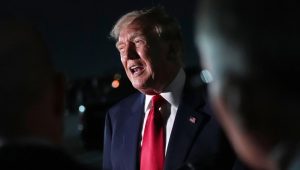
The developments follow renewed political attention on the canal after US President Donald Trump last year threatened to reassert US control over the waterway, alleging Chinese influence over its operations.
Panama’s Supreme Court subsequently struck down a contract allowing Hong Kong-based CK Hutchison Holdings to operate two ports near the canal, after which the government placed the facilities under interim management.