
Tensions between Pakistan and Afghanistan have flared again after Pakistan carried out airstrikes on militant targets inside Afghan territory, threatening a fragile ceasefire agreed after deadly border clashes last year, says Reuters.
Pakistani security sources said the strikes killed at least 70 militants. The United Nations, however, reported that at least 13 civilians were among the dead. The operation risks undermining a truce that followed fighting in October which killed dozens of soldiers in the worst violence between the neighbours since the Taliban returned to power in Kabul in 2021.
Roots of the dispute
Pakistan initially welcomed the Taliban’s return, with then-Prime Minister Imran Khan saying Afghans had “broken the shackles of slavery”. But relations soon cooled.
Islamabad says leaders and fighters of Tehreek-e-Taliban Pakistan (TTP), also known as the Pakistani Taliban, operate from Afghan territory. It also accuses Afghan soil of sheltering Baloch separatist insurgents targeting Pakistan’s southwestern province of Balochistan.

Militant attacks have risen each year since 2022, according to Armed Conflict Location & Event Data, a global monitoring group. Islamabad blames the TTP and Baloch insurgents for the increase. Kabul denies allowing militants to use its territory to launch attacks on Pakistan.
Even during the ceasefire, border skirmishes and closures have disrupted trade and movement along the mountainous frontier.



Trigger for the latest strikes
A day before the airstrikes, Pakistani security sources said they had “irrefutable evidence” that militants were launching attacks from Afghanistan. They cited seven planned or successful assaults since late 2024 which they linked to Afghan territory.
One attack last week in Bajaur district killed 11 security personnel and two civilians. Pakistani sources said the assailant was an Afghan national. The TTP claimed responsibility.
Who are the TTP?
Formed in 2007 by several jihadist groups active in northwest Pakistan, the TTP has carried out attacks on markets, mosques, airports, military bases and police stations. It has seized territory, particularly along the Afghan border and in areas such as the Swat Valley, where it later shot schoolgirl Malala Yousafzai.
The TTP fought alongside the Afghan Taliban and hosted Afghan fighters in Pakistan. Islamabad has launched repeated military operations against the group, achieving limited success. An offensive concluding in 2016 sharply reduced attacks for several years, but violence has since resurged.
What comes next
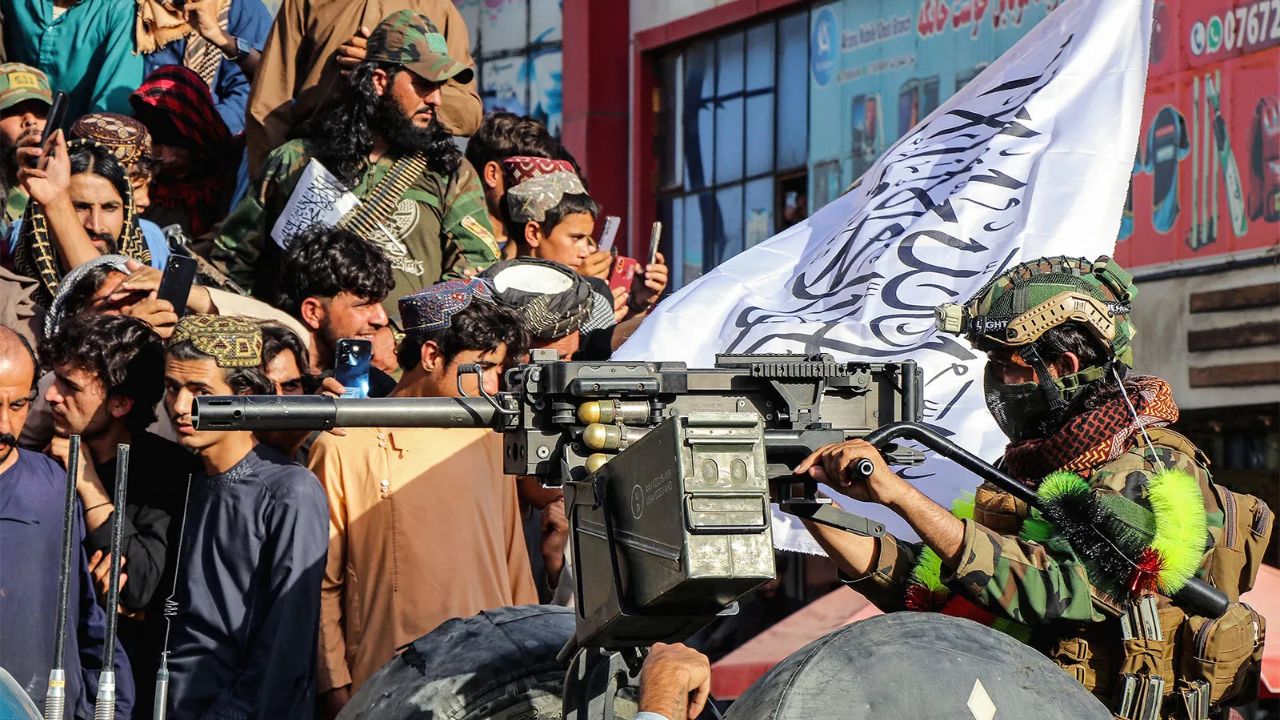
Following the airstrikes, the Taliban warned that “an appropriate and measured response” would be taken at a suitable time. Analysts expect any retaliation to involve cross-border action. Two attacks targeting security forces in northwest Pakistan were reported in the days after the strikes.
Militarily, the balance favours Pakistan. Taliban forces number around 172,000 personnel, less than a third of Pakistan’s active troops. Although the Taliban possess at least six aircraft and 23 helicopters, their operational condition is unclear and they lack fighter jets or a significant air force.
Pakistan fields more than 600,000 active personnel, over 6,000 armoured vehicles and more than 400 combat aircraft, according to 2025 data from the International Institute for Strategic Studies. It is also a nuclear-armed state.
With mistrust deepening and violence edging higher, the risk is that limited strikes and reprisals could escalate, straining already fragile ties between the two neighbours.