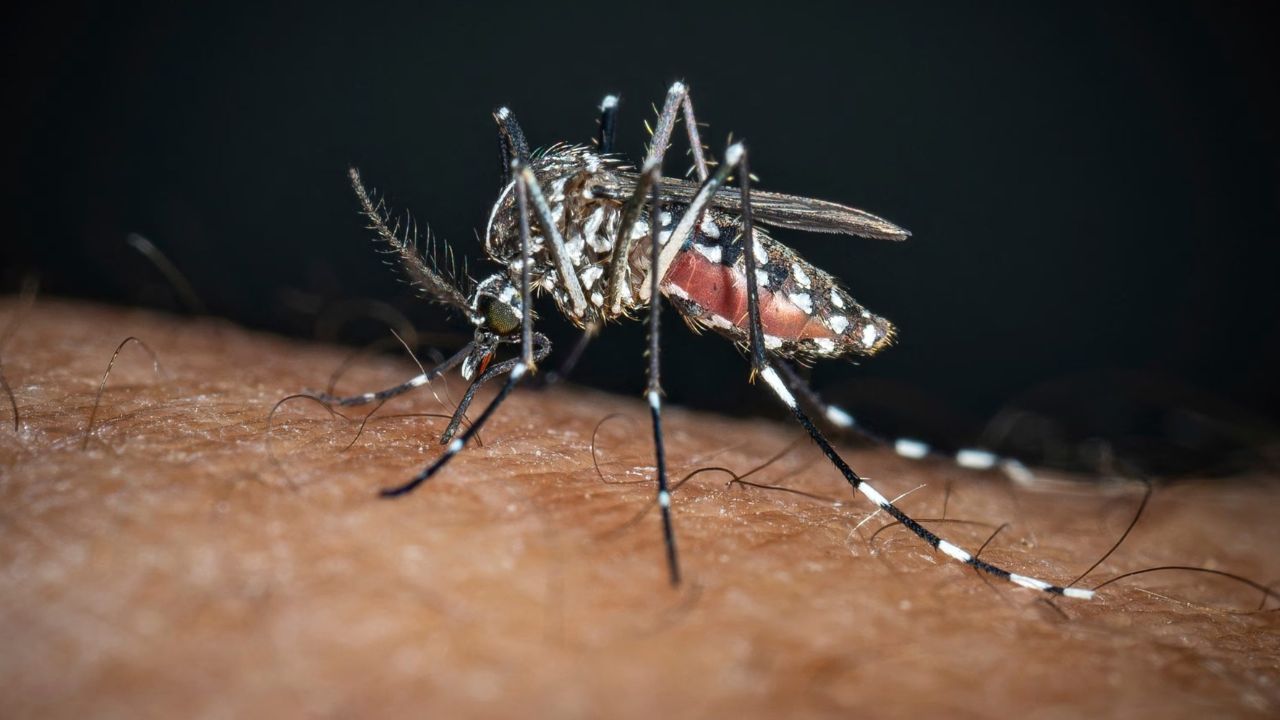
Doors and windows are being shut before dusk, coils are burning indoors and rooms are filled with the smell of spray, yet there is little relief. Swarms of mosquitoes appear to have taken over the entire town. Working in offices during the day has become difficult, while sleeping at night feels like a battle. Residents complain that first-class municipality Jessore has effectively turned into a city of mosquitoes.
The municipality says a 12-day drive has just concluded and no further spraying will be carried out for now. However, visits to different neighbourhoods and conversations with residents suggest that no mosquito control activities have been seen in their areas this year. Drains have not been treated with larvicides, and even the sound of fogging machines has not been heard.
On holidays, residents usually gather at the municipal park for some respite. But in the park built behind the municipal office, people cannot stay after evening because of mosquitoes. Swapan Hasan, who visited the park with his family last Friday evening, said they had to leave shortly after sunset due to severe mosquito bites. “Thousands of mosquitoes were swarming around the pond bank. Within minutes, our hands were swollen from the bites,” he said.
Nadia Sultana Ria, a resident of Ward 5, said almost every drain in her area is clogged with stagnant water. “This year, the municipality has not sprayed any medicine or insecticide in the drains,” she said. College students Raihan and Zahid Hasan, who live in a mess near the Kharki graveyard area, complained that they burn mosquito coils costing Tk15 every day, yet they cannot sit and study. They asked where residents should turn if the municipality fails to control the mosquito problem.

A field visit found stagnant water in most of the town’s drains. Garbage has blocked water flow, leaving dark, foul water standing for months in some places, creating ideal breeding grounds for mosquito larvae.
SM Farhad, general secretary of the Jessore Journalists’ Union, said fogging alone would not solve the problem if drains are not cleaned. “Mosquitoes are breeding in the drains, but spraying is being done on the roads. This cannot be an effective solution,” he said.



Municipal sources said two fogger machines and 18 hand-spray machines were supposed to be used this season. The pesticide being used is ‘Orkik’ produced by Samka Company. However, several workers, speaking on condition of anonymity, alleged that not all allocated pesticides are being sprayed. There are also allegations that bottles priced at Tk715 are being sold at lower rates. They claimed that if all the pesticide were used properly, the mosquito infestation would not be so severe.
A teacher from the Department of Zoology at Jashore Government MM College said improper application of mosquito control chemicals can make mosquitoes resistant. He added that mosquito density should be measured before and after spraying, which is not being done here. In his view, effective larval control measures are needed alongside fogging.
Municipal Conservancy Inspector Moniruzzaman Nayan said pesticide had been sprayed in nine wards over the past 12 days. He added that the quantity of pesticide had been increased to 600 litres this year compared to last year.
Administrative Officer Uttam Kumar Kundu said the drive was conducted from 3 to 18 February and there are no immediate plans for further spraying.
According to the District Civil Surgeon’s Office, dengue cases have increased in recent years. In 2024, 1,464 dengue cases were detected in Jessore district, with five deaths. In 2025 so far, 1,325 cases have been identified, and five people have died this year as well.
Deputy Civil Surgeon Dr Nazmus Sadik Russell said mosquito bites not only cause discomfort but also increase the risk of dengue, chikungunya and malaria. Children and the elderly are at the highest risk, he said, adding that the problem cannot be controlled without a coordinated plan.