Grassroots surgeries have ground to a near-total halt as a crippling shortage of anaesthetists leaves upazila hospital operation theatres abandoned, exposing decades of government neglect in a collapsing healthcare system.
Despite these vital roles being officially included in the state’s workforce framework, successive governments have ignored the crisis.
This paralysis of local surgical units stands in stark contrast to political rhetoric.
The new BNP administration has boldly pledged to reshape national healthcare in the style of the UK’s National Health Service (NHS), promising free or low-cost care for the masses alongside plans to upgrade upazila health complexes to 101-bed facilities.
Yet, three and a half months into its tenure, the government has offered no explanation for why local operating tables are empty.
Confronted with this reality, Mohammad Mahmudul Hasan, deputy chief information officer at the Ministry of Health, simply said, “The upgrade to 101 beds has nothing to do with the lack of an anaesthesiologist.”
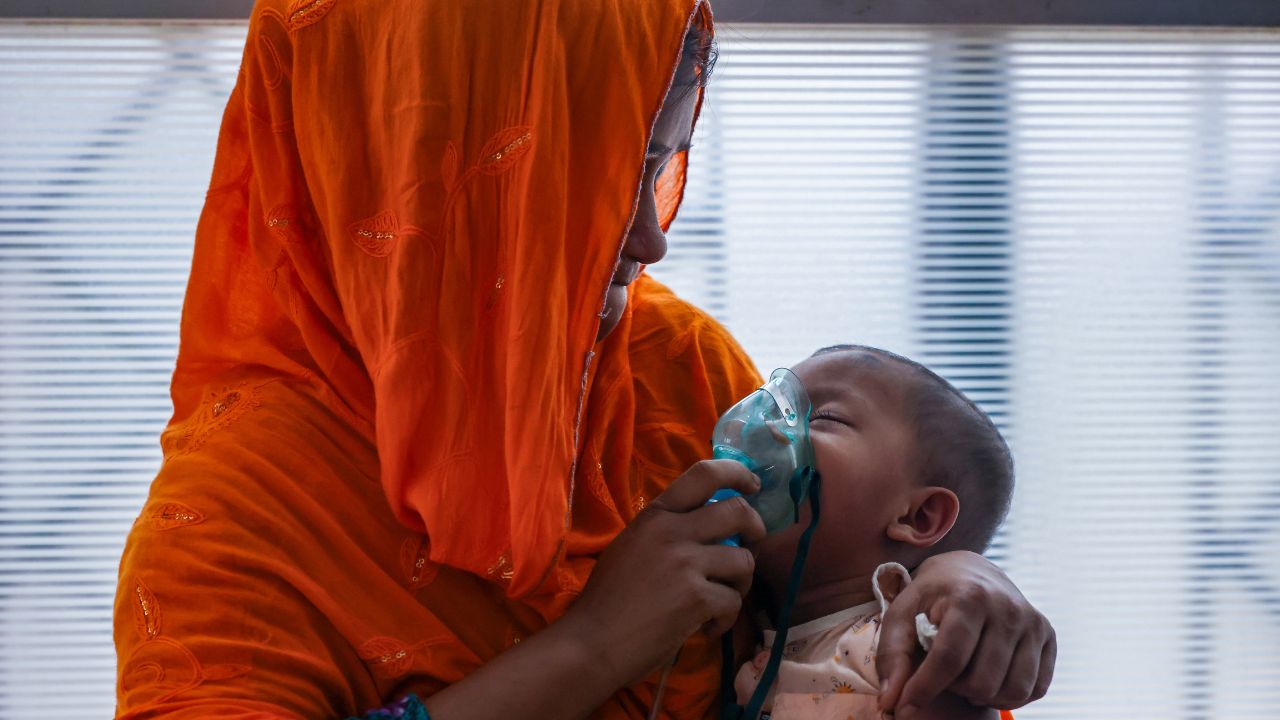
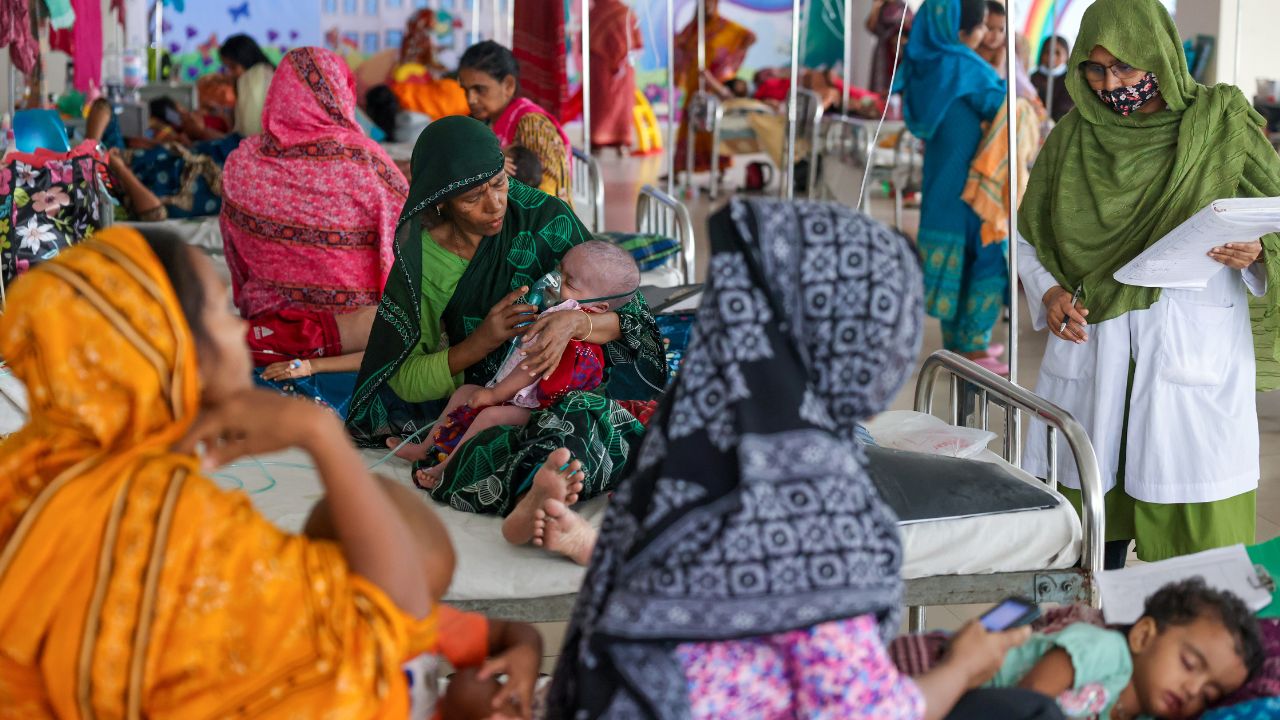
For rural patients, the consequences of these dark operation theatres are catastrophic. Many upazila hospitals can now manage surgeries only one day a week, while other theatres have been shuttered for months on end.
Deprived of affordable state care, patients are driven into an unregulated private sector where medical bills are extortionate, victims told TIMES. Alternatively, they must endure gruelling journeys to district headquarters, divisional cities, or the capital for routine procedures that should have been handled locally.

These desperate, delayed journeys frequently cost lives.
The human toll is devastatingly clear. When Mariam Begum fell critically ill in Jashore’s Chaugachha upazila, her local health complex could offer only basic first aid before transferring her to Jashore General Hospital the moment surgery was required.
Even more tragically, Zakir Hossain from Sunamganj recounted how his uncle fell seriously ill at night. Taken first to the Dirai Upazila Health Complex, he was turned away due to a complete lack of surgical capabilities.
He was passed to the Sunamganj General Hospital and then referred further out to a facility in Sylhet. He died on the way.
Meanwhile, official accountability has completely stalled. When asked why anaesthetists are not being deployed to save these local surgical units, Md Mahmudur Rahman of the Directorate General of Health Services deflected, calling it a ministry decision.



When pressed further, the ministry’s spokesperson, Mohammad Mahmudul Hasan, flatly refused to comment.
Despite repeated attempts, Health Minister Sardar Md Sakhawat Husain, State Minister for Health Dr MA Muhit, and the Prime Minister’s Health Adviser SM Ziauddin Hyder could not be reached for comment.
Filled on paper, forgotten in practice
TIMES of Bangladesh has learned a shocking vacuum in the country’s rural healthcare, revealing that 272 out of 434 upazila health complexes completely lack an anaesthetist. Compounding the crisis, a further 13 specialists are working elsewhere on “attachment”, meaning their posts are filled on paper, but their operation theatres are left entirely abandoned.
At grassroots level, this shortage has reduced life-saving surgery to a part-time luxury.
In Joypurhat’s Akkelpur and Barguna’s Bamna, operations are rationed to just one day a week when visiting specialists are drafted in from neighbouring districts. The rest of the time, the operation theatres remain dark and patients are turned away.
Akkelpur Upazila Health Complex sees surgeries once a week by bringing in a gynaecologist and an anaesthesiologist from a neighbouring upazila, said Health and Family Planning Officer Md Abu Safi Mahmud.
In Cumilla’s Brahmanpara, an anaesthetist visits three days a week, leaving surgical services completely suspended for the remaining four.
Even where staff are on site, a lack of matching specialists keeps hospitals crippled.
In Pabna’s Atgharia, an anaesthetist and a gynecologist are available, but the complete absence of a general surgeon means they can only perform Caesarean sections, according to Health and Family Planning Officer Suprabha Rani.
Netrakona’s Atpara Upazila Health and Family Planning Officer Uttam Kumar Pal said surgeries have stopped entirely. Same is the situation in Kishoreganj’s Ashtagram.
To make matters worse, Ashtagram’s health chief Shah Md Mohibullah warns that the emergency transport links needed to rush these critical patients to distant district hospitals are dangerously inadequate.
Perhaps most damning is the bureaucratic loophole of “attached” staff.
Specialists officially assigned to rural hubs like Kalai in Joypurhat, Kaukhali of Rangamati, Khaliajuri of Netrakona, and Laxmichhari of Khagrachari are actually working in plum city roles.
In Kishoreganj’s Katiadi, the hospital’s appointed anaesthetist has not stepped foot in the building for years as he works in another institution on attachment, yet continues to draw a salary and allowances from them, leaving the local operating theatre utterly paralysed, said Syed Md Shahriar, Katiadi health and family planning officer.
Shields without swords
In a bizarre twist of bureaucratic failure, some local hospitals have shields but no swords. In Mithamoin of Kishoreganj, and Mahalchhari in Khagrachari, anaesthetists are deployed but have neither a surgeon nor an operating theatre.
Conversely, Nachole health complex in Chapainawabganj boasts a pristine theatre and an anaesthetist, but no surgeon.
Meanwhile, Ruma health complex in Bandarban sits on multiple theatres and staff, yet the rooms remain locked because the government failed to supply the basic equipment.
This chaos is backed by the government’s own Health Workforce Strategy.
The ratio of anaesthetists to hospitals stands at a dismal 0.45, while there are fewer than one anaesthesia specialist for every three surgeons nationwide, exposing a critical workforce shortage.
Worse still, the paper admits that a staggering 67 per cent of approved specialist doctor posts in upazila hospitals currently sit completely vacant.