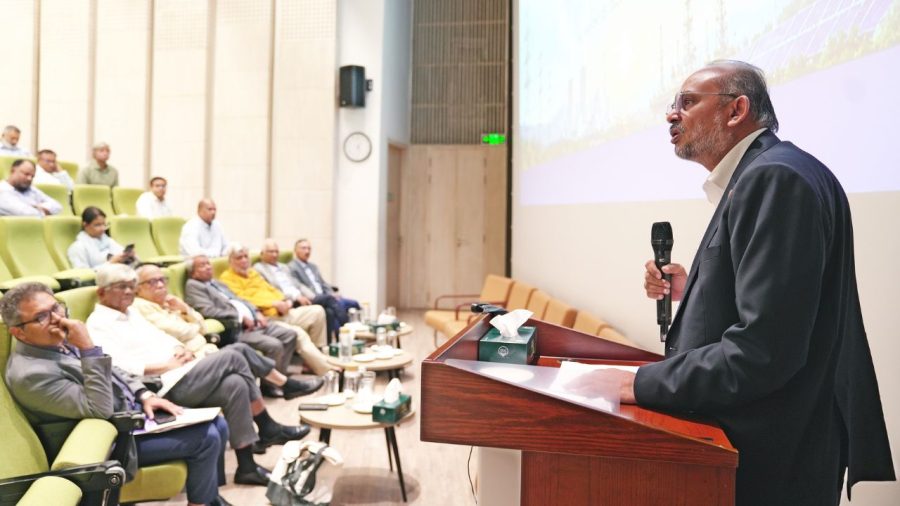

BRAC University’s Centre for Energy and Logistics (CEL) held a seminar on Bangladesh’s electricity and energy situation on Tuesday, bringing together policymakers, energy experts and academics to discuss the country’s growing energy challenges and possible solutions.
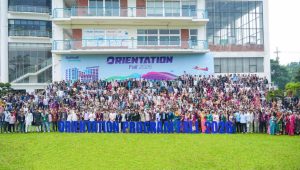
Titled “Electricity, Energy Situation and the Way Forward”, the seminar was held at the university’s Merul Badda campus on 8 September 2026, focusing on energy security, fuel supply challenges, renewable energy prospects and policy reforms.
Dr Sultan Hafeez Rahman, chairman of CEL’s Advisory Council and a member of BRAC University’s Board of Trustees, said Bangladesh’s energy outlook had changed significantly since the global oil shock of the 1970s.
In his welcome address, he said the country was facing a serious energy challenge due to insufficient use of its own strengths and excessive dependence on external support to address domestic issues.
He urged CEL to bring stakeholders together, conduct research and provide policy recommendations that go beyond identifying problems.

Keynote speaker Shafiqul Alam, lead energy analyst for Bangladesh at the Institute for Energy Economics and Financial Analysis, identified imported dollar-denominated fossil fuels as a major challenge for Bangladesh’s energy sector.
He said peak electricity demand had reached 19,027 megawatts and highlighted risks linked to gas supply disruptions, import dependence and rising generation costs. He also pointed to opportunities in renewable energy, rooftop solar and energy efficiency.
Ahamedul Karim Chowdhury, managing director of Container Company of Bangladesh Limited, described energy security as a logistics challenge involving the systems required to move energy from suppliers to consumers.


He discussed LNG and petroleum supply chains, infrastructure readiness and proposed resilience measures based on diversity, redundancy, buffer capacity, connectivity, visibility and coordination.
A panel discussion followed the keynote sessions, featuring six energy experts.
Professor Dr Abdul Hasib Chowdhury of electrical and electronic engineering at Bangladesh University of Engineering and Technology (BUET) and a member of CEL’s Advisory Council spoke on strategic energy planning for Bangladesh.
Azam J Chowdhury, managing director of MJL Bangladesh Limited, chairman of East Coast Group and a CEL Advisory Council member, discussed immediate crisis response measures and sector reforms.
Siddique Zobair, senior energy advisor at Asian Development Bank (ADB), addressed the development of Bangladesh’s energy sector, including gas exploration and coal development.
Faiz Taiyeb, acting chief technology officer of Ophanix Analytics and a CEL fellow, joined online and discussed power shortages and the absence of a fuel plan.
Shahriar Ahmed Chowdhury, director of the Centre for Energy Research at United International University (UIU), reviewed the prospects and challenges of renewable energy, while Dr Sebastian Groh, professor at BRAC Business School and a CEL fellow, presented the potential of Bangladesh’s six million electric three-wheelers as an untapped power resource.
Chief guest Dr Rashed Al Mahmud Titumir, adviser to the prime minister on the ministries of finance and planning, highlighted government initiatives, including the planned development of a land-based regasification unit in Matarbari and efforts to explore offshore gas blocks.
BRAC University Pro-Vice-Chancellor Professor Arshad Mahmud Chowdhury and CEL Director Dr M Fouzul Kabir Khan also spoke at the event.
Former Bangladesh Bank governor Dr Salehuddin Ahmed, former interim government adviser for the environment Syeda Rizwana Hasan, Treasurer Ariful Islam and BRAC Business School Dean Dr M Mujibul Haque were also present.
BRAC University said in a press release that the seminar supported the United Nations Sustainable Development Goals, particularly SDG 7 on affordable and clean energy and SDG 9 on industry, innovation and infrastructure.