Crude oil prices edged lower on Tuesday as investors weighed conflicting reports regarding the progress of diplomatic discussions between Washington and Tehran, following a significant rally in the previous session.
Brent crude futures declined by 75 cents to settle at $94.23 per barrel, reports Geo News.
Similarly, US West Texas Intermediate (WTI) saw a decrease of 85 cents, trading near $91.31 a barrel.
These fluctuations follow a volatile May, where benchmarks dropped over 16 per cent on optimism for a peace agreement, only to surge by more than 5 per cent during Monday’s trading.

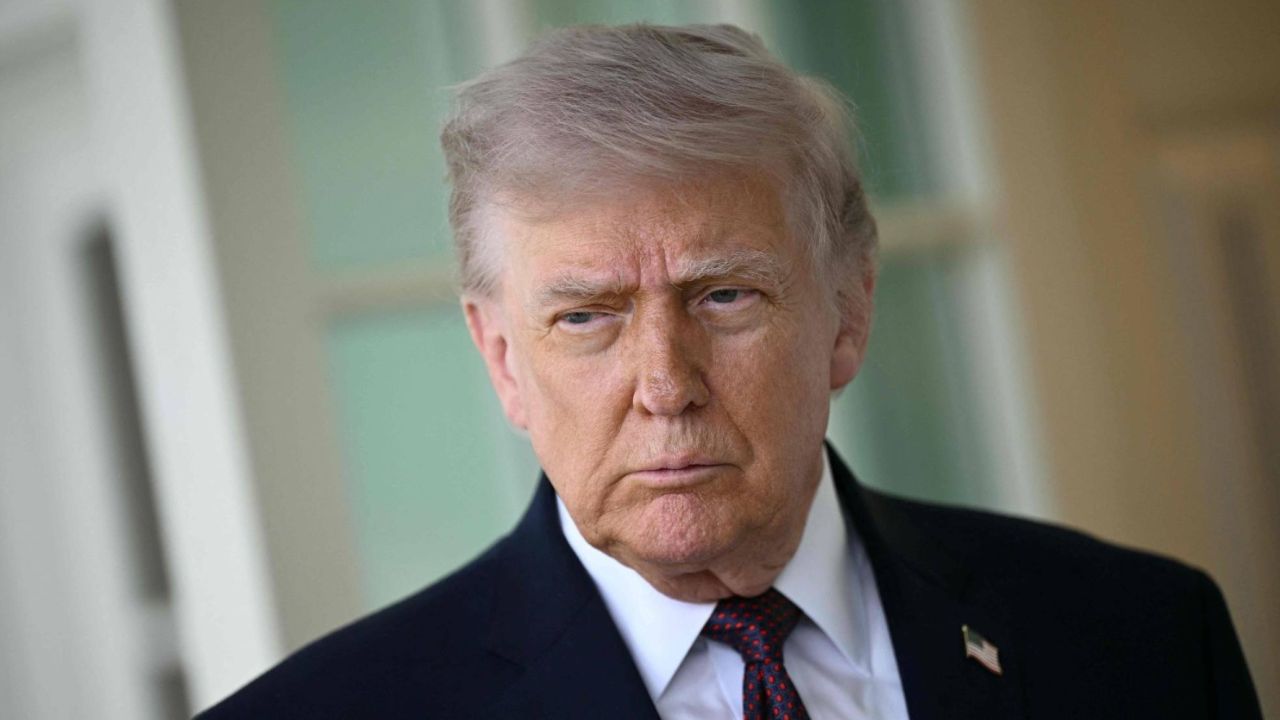
Market sentiment was influenced by United States President Donald Trump’s assertion on Monday that negotiations with Iran are still active.
This statement stands in contrast to a report from Tasnim news agency, which indicated that Tehran had paused indirect talks with the US.




President Trump’s messaging on the matter has been varied; while he initially informed CNBC on Monday that he was indifferent to whether the talks concluded, he later clarified via social media that the dialogue was continuing. Trump told ABC News that he anticipates an agreement within the coming week to extend the current ceasefire and facilitate the reopening of the Strait of Hormuz.
“While markets had hoped to move past the uncertainty amid prospects of a potential deal, nothing appears to have changed for oil as of this morning,” observed Priyanka Sachdeva, a senior market analyst at Phillip Nova.
The Strait of Hormuz remains a critical factor for global energy security. Iran has largely restricted non-Iranian shipping in the Gulf since the onset of the conflict, disrupting approximately 20 per cent of the world’s oil and liquefied natural gas supplies and causing prices to spike by at least 50 per cent.
Tim Waterer, chief market analyst at KCM Trade, noted that the market is intensely focused on “concrete progress or setbacks” in negotiations and actual tanker activity through the waterway.
In related regional developments, Lebanon announced a partial ceasefire between Hezbollah and Israel on Monday, representing a localized de-escalation in a broader regional conflict involving Iran. Tony Sycamore, a market analyst at IG, suggested that oil prices will likely remain unstable until there is “clearer evidence of progress towards a peace deal”.
On the supply side, US crude exports reached a record high of 5.6 million barrels per day in May, driven by increased demand from Asian and European refiners due to the Middle Eastern crisis.
Additionally, a Reuters poll suggests US crude inventories likely fell by 3.6 million barrels in the week ending 29 May.
In Athens, shipping executives meeting on Monday emphasised that any final diplomatic resolution must establish explicit regulations to allow vessels to safely resume commercial operations through the Strait of Hormuz.