In the high-stakes arena of global luxury, where dynasties like the Arnaults and Wertheimers duel for market supremacy, the world’s most valuable watch brand stands as a singular paradox. Rolex, a name synonymous with prestige and the “Crown” of horology, is an empire that nobody owns – and, under Swiss law, an empire that nobody can ever buy.
While other luxury houses are traded on stock exchanges or governed by billionaire heirs, Rolex is the property of the Hans Wilsdorf Stiftung, a private charitable foundation.
This unique structure has created a commercial fortress, rendering the company immune to the acquisition attempts of conglomerates like LVMH or Richemont and allowing it to operate with a level of independence that borders on the eccentric.
A Victorian legacy
The story of Rolex is, as the sources suggest, akin to a Victorian novel. Born in Bavaria and orphaned as a child, Hans Wilsdorf was raised by his uncles and served an apprenticeship with a pearl exporter before moving to London in the early 1900s.
There, he established a small firm to import Swiss movements, casing them into wristwatches at a time when pocket watches remained the standard for men.
Wilsdorf was a visionary of branding; he registered the name “Rolex” because it was short, fit perfectly on a dial, and could be pronounced in every European tongue.

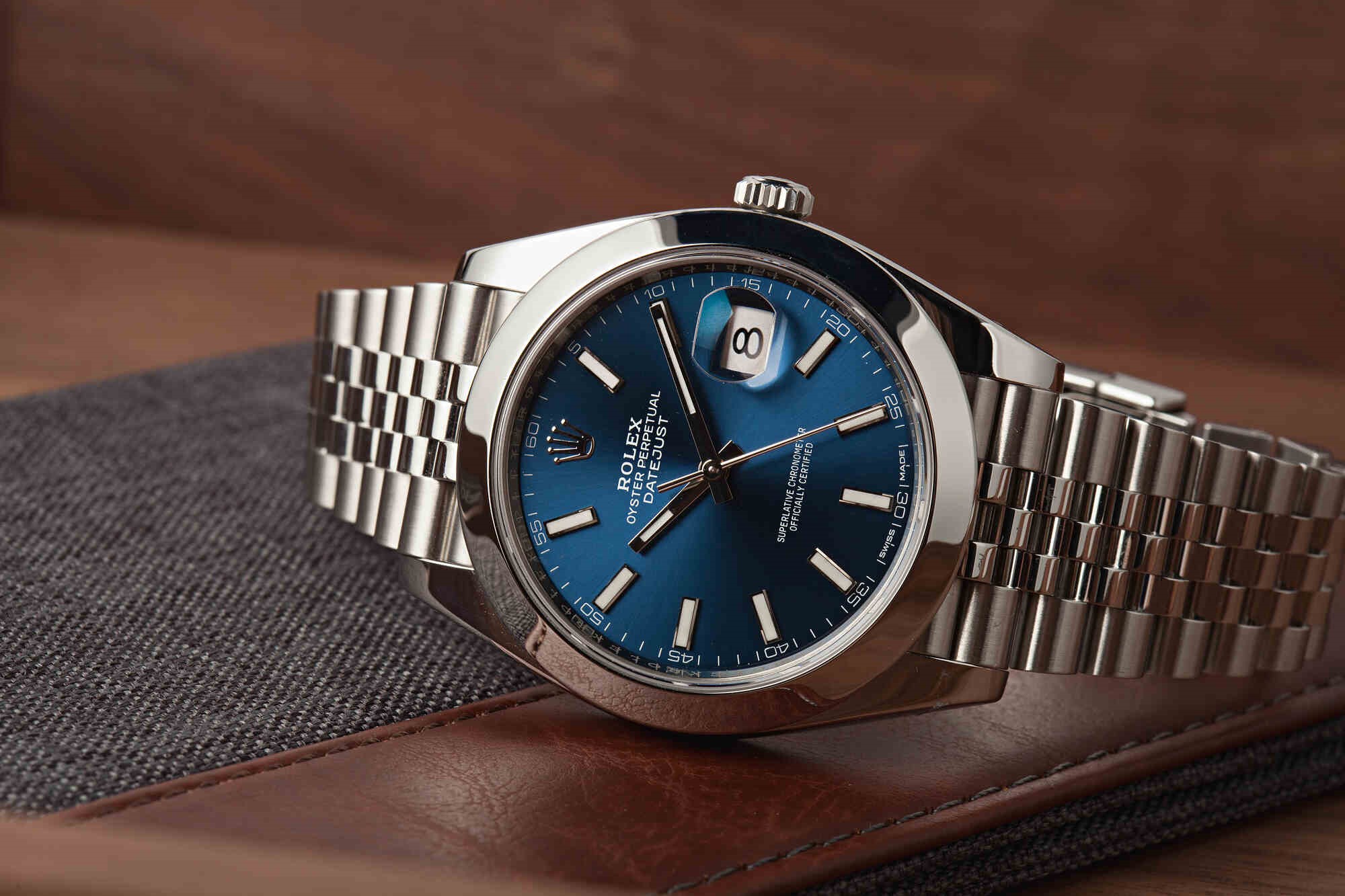
By the mid-1920s, his company had pioneered the Oyster, one of the first water-resistant cases – a feat famously proven in 1927 when Mercedes Gleitze swam the English Channel with one strapped to her person.
Following the First World War, Wilsdorf relocated his operations to the neutral ground of Geneva. However, the defining moment for the brand’s future was not a technical innovation, but a personal tragedy.
In the 1940s, Wilsdorf’s wife, May, died childless. Having spent forty years building a global brand with no heir to inheriting it, Wilsdorf spent a year contemplating the company’s fate.
In 1945, he transferred his entire shareholding into the newly created Hans Wilsdorf Stiftung. His mandate was two-fold: ensure Rolex remained an independent Swiss watchmaker and use the proceeds to fund charitable works in Geneva. Upon Wilsdorf’s death in 1960 at the age of 79, the foundation became the sole proprietor.



The ‘Bottomless Trust’
The legal vehicle Wilsdorf selected, the Stiftung, functions more like a “bottomless trust” than a traditional corporation. Under Swiss law, such a foundation has no members and no shareholders; its assets belong only to its stated purpose.
While the Federal Supervisory Authority for Foundations in Bern monitors its compliance, there is no owner with the legal capacity to sell the company.
This architecture is what makes the recurring rumours of a takeover by Gulf sovereign wealth funds or luxury rivals collapse. To sell Rolex, a court would have to rewrite the 1945 deed – a bar that Swiss courts treat as nearly impossible to clear.
Unlike Patek Philippe, owned by the Stern family for four generations, or the family-controlled Hermès and Chanel, Rolex has no equity to liquidate. It is, in the most literal sense, a company governed by a piece of paper in a Geneva notary’s archive.
Commercial eccentricity
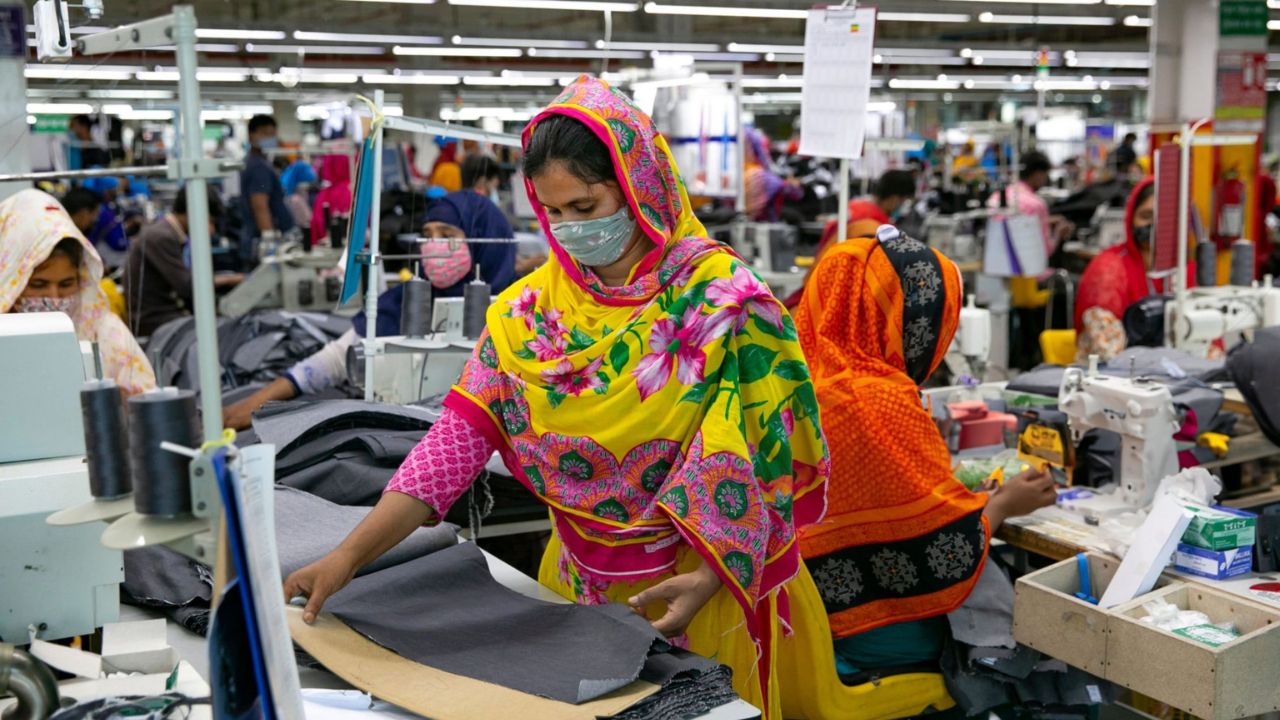
This freedom from quarterly analysts and shareholder pressure allows Rolex to behave unlike any other commercial actor. The brand produces roughly one million watches annually, with prices ranging from $6,000 to over $75,000.
Yet, it famously under-produces relative to global demand, creating the multi-year waitlists that have turned “grey-market” assets like the Daytona and the steel Submariner into financial instruments.
Operating out of four facilities in Geneva and Bienne – where the company casts its own gold alloys and subjects dive watches to simulated deep-sea pressures – Rolex employs approximately 9,000 people in Switzerland.
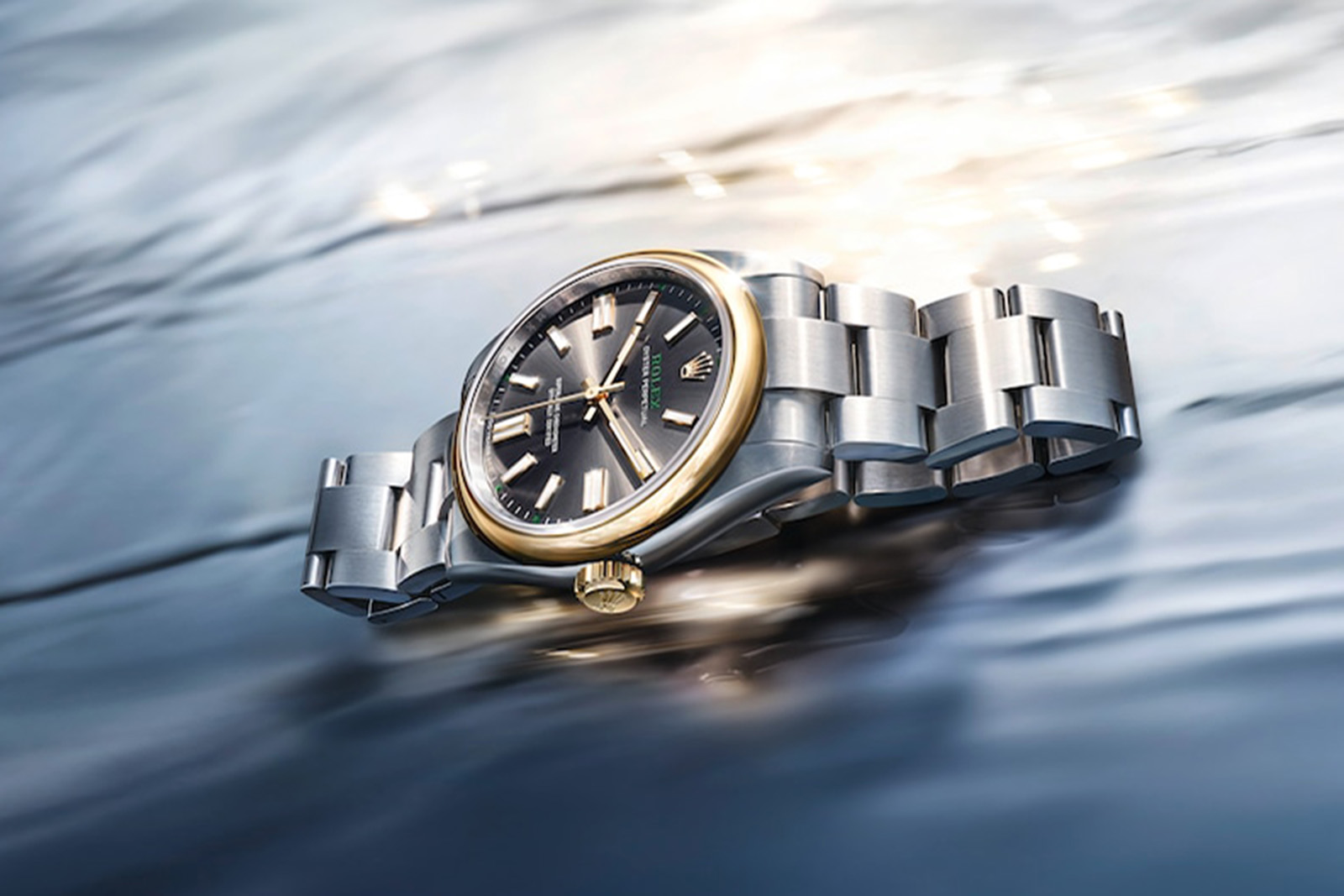
Industry analysts estimate annual sales at over 10 billion Swiss francs, a significant portion of the total Swiss watch export market. Notably, the brand avoids televised advertising almost entirely, focusing instead on prestige sponsorships in tennis and golf.
The anonymous benefactor
In Geneva, the Wilsdorf inheritance is woven into the city’s geography, though often without the Rolex branding. The Wilsdorf Bridge across the Rhône, the cardiology wing at the Hôpitaux Universitaires de Genève, and the Cité Seniors retirement complex are all products of the foundation’s philanthropy.
While Swiss private foundations are not required to publish audited accounts, local reporting suggests that the Wilsdorf foundations donate hundreds of millions of Swiss francs to the Geneva canton annually.
This discreet approach extends to the company’s recent expansion. In 2023, Rolex acquired the luxury retailer Bucherer. The deal mirrored Wilsdorf’s own history: owner Jörg G. Bucherer had no heirs and sought a “safe hand” for his legacy.

Rolex has acted as a steward rather than a private-equity buyer, maintaining the Bucherer brand and its staff while preserving retail relationships with direct competitors.
Attempts to replicate the Rolex model are rare. While Yvon Chouinard of Patagonia made headlines in 2022 by transferring his company to a purpose trust, the specific 1945 Swiss tax regime and foundation laws that Wilsdorf utilised are nearly impossible to reproduce in the modern era.
The contemporary “great wealth transfer” typically sees trillions of dollars moving into family trusts designed to keep capital within bloodlines. Hans Wilsdorf did the opposite. Sixty-six years after his passing, the 9,000 employees of Rolex do not work for a billionaire or a board of investors; they work for a deed signed by a man who had no one else to leave his crown to.