Search and rescue teams are racing against time following Wednesday’s catastrophic flooding on the Nepal-Tibet border.
With hundreds confirmed dead and over a thousand still missing across both countries, survivors arriving at medical facilities are describing the horror of having their loved ones swept away, saying that “the flood took everything.”
Here is a comprehensive explainer of what is known so far about the disaster.
What triggered the flash foods?
Although initial reports pointed to an earthquake, the United States Geological Survey (USGS) has clarified that the disaster was actually caused by a “glacial collapse,” which occurs when a glacier or part of one suddenly disintegrates.
The physical force of the collapsing glacier striking the valley floor was so powerful that it registered a seismic magnitude of 5.2.

The resulting debris flow caused subsequent catastrophic impacts downstream.
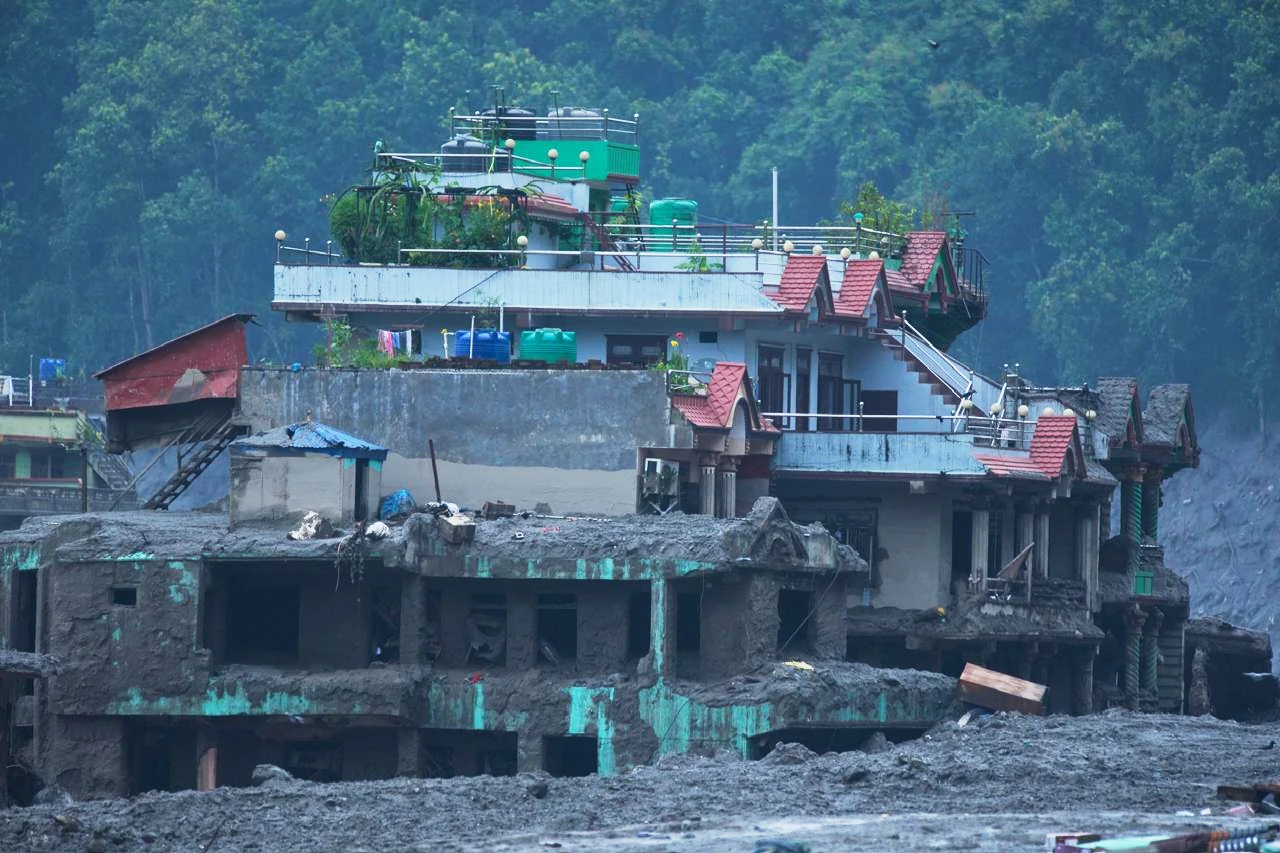
This collapse sent a torrent of ice, mud, and rock debris down the Lende Khola, Bhote Koshi, and Trishuli rivers, completely destroying the multi-storey Rasuvagadhi Border checkpoint before tearing downstream past Syrapu Besi.
Severe flooding has also been reported further downstream along the Narayani River.
The scientific analysis
Geologists are now examining satellite imagery and meteorological data to understand the exact sequence of events. Daniel Shugar, a geologist at the University of Calgary in Canada, explains that glacial thinning induced by global warming can increase landslide risks, though he cautions that it is still too early to definitively link this specific collapse to climate change.

Simon Cook, a geoscientist at the University of Dundee, believes climate change could have played a part, noting that his team identified the collapse at the lower part of a glacier near Nepal’s Langtang Lirung peak, approximately 15 kilometres west of the floods.

Cook estimates that the glacier collapsed in a north-westerly direction and then travelled westwards downstream. He explains that warming, thawing, and degrading permafrost, which normally helps hold mountainsides together, will lead to more frequent landslides.
Another hypothesis comes from Mike Searle, a professor of Earth sciences at Oxford University, who suggests the glacier could have collapsed hours or days before the flooding hit.
Searle believes the sheer wave of debris indicates a landslide occurred first, damming the river before it eventually burst in one massive flood. Scientists are also investigating whether water from rainfall or melting ice destabilised the ground, triggering a destructive chain reaction.
Nuwakot region: Ground zero of the torrent
The sheer force of the deluge was captured in the Nuwakot region, located approximately 40 miles north of the Nepalese capital of Kathmandu. Footage from the area showed a towering wall of mud and rock sweeping away buildings, roads, and vehicles as terrified residents fled the fast-moving wave.



Military teams were brought in to help with rescue and evacuation efforts, and on Wednesday, officers were recorded carrying a survivor on a stretcher through the debris toward a military helicopter in a clearing in Nuwakot.
In another rescue scene, police officers carried an elderly woman who survived the flash flood at Trishuli in the Nuwakot district of Nepal. BBC, reporting from a hospital in Kathmandu, described a continuous flow of helicopters flying in survivors from the disaster zone.
The human toll: Dead and missing
Because the border region is highly popular with pilgrims, mountaineers, and international tourists, the human cost has been immense. However, officials note that the overall numbers remain fluid, and some individuals may have been counted twice across Nepalese and Chinese registers.
In Nepal, police confirmed that over 500 people had died as of Friday afternoon local time, with over a thousand still missing. Among those killed, 64 bodies were recovered downstream in the Chitwan district, while another 26 were found in Nawalparasi East.
Nepal’s National Disaster Risk Reduction and Management Authority reported that 910 people were still missing as of Thursday evening. This figure includes 44 members of the Nepalese army, 28 police officers, and 517 foreign citizens.

The Nepal Tourism Board also reported that 644 tourists remain missing, including 33 British nationals, amongst whom are a 13-year-old girl and a 14-year-old boy, though it is currently unclear if any of these tourists are already included in the official death toll.
Meanwhile, on the Tibetan side in Gyirong county, the death toll remains at three, but the number of missing persons rose to 558 on Thursday, according to China’s state broadcaster CCTV. CCTV reported that 260 of those missing in Tibet are foreign nationals.
Foreign nationals unaccounted for in Nepal
Official figures indicate that at least 291 foreigners are missing in Nepal. This group includes 288 nationals from neighbouring India, according to the Nepal Tourism Board, and nearly 100 Chinese nationals, according to the Chinese foreign ministry.
The latest update from the tourist board also indicates that 65 US tourists, 53 Ukrainian nationals, and 51 Malaysians travelling with Fishtail Tours and Travels are missing in the floods.
Additionally, Australia’s foreign minister stated that 39 Australians are among the missing, warning of the unfortunate possibility that this number will rise.
Nepalese police report that 33 British nationals are missing, and a tourism board spokesman confirmed that 24 Canadians are also missing.
Smaller numbers of travellers from South Korea, South Africa, Portugal, the Netherlands, and New Zealand are also among the missing.
Active threat of secondary floods
Rescuers are currently on edge due to the persistent risk of further flooding. The International Centre for Integrated Mountain Development (ICIDMOD) has warned that secondary flooding could occur in the coming days as a result of the debris that washed into the river systems.
ICIDMOD is currently assessing whether the Trishuli River has been temporarily blocked in narrow sections, which risks forming a landslide dam and triggering a second flood.
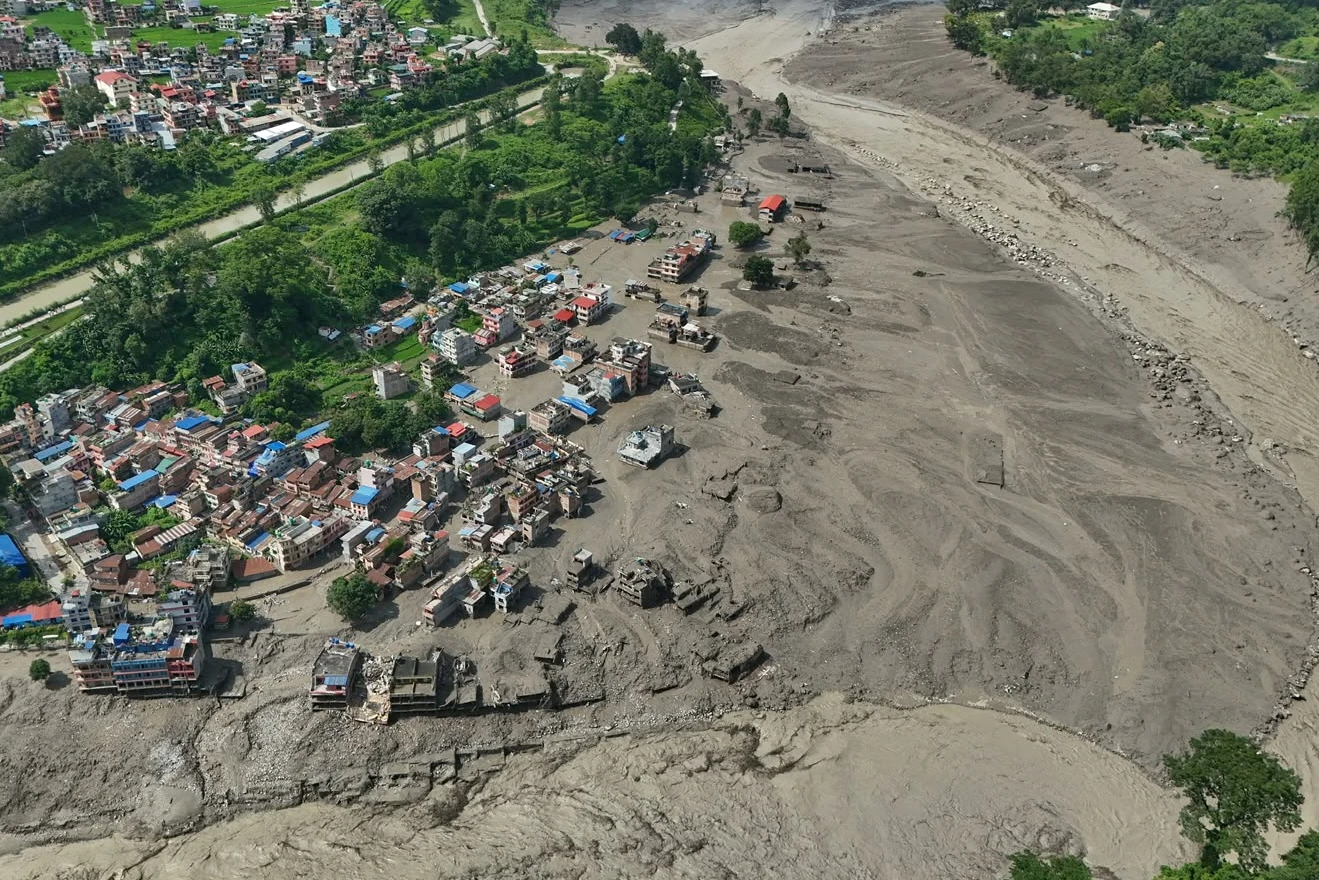
David Fisher, head of the Red Cross delegation in Nepal, told BBC that these warnings have put the local population very much on edge.
These fears were realised early Friday morning when a lake of rising water, which had formed along the border, briefly overflowed, prompting Chinese authorities to temporarily pause rescue efforts.
How governments are responding
High-level officials are coordinating the emergency response across both nations. Nepal’s Prime Minister Balendra Shah expressed that the entire nation has been left shocked and deeply distressed, confirming that officials will coordinate with China on the response.
China’s President Xi Jinping urged an all-out search and rescue operation and promised stronger monitoring and early warning systems to prevent secondary impacts.
China’s Premier Li Qiang arrived in Gyirong, the main crossing point for traffic and tourists between China and Nepal, on Thursday to personally supervise rescue and relief operations.
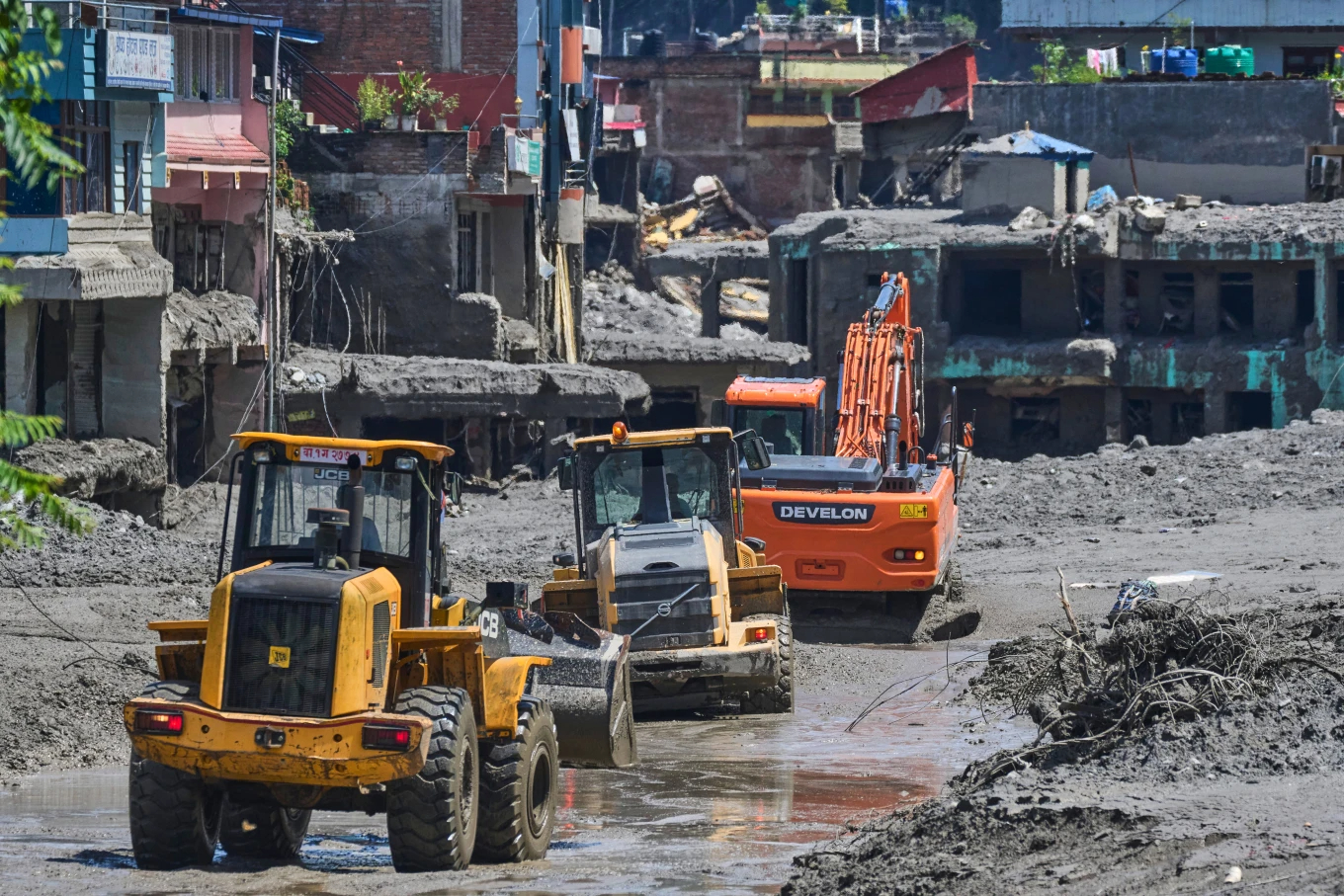
In neighbouring India, Prime Minister Narendra Modi declared that his government is prepared to provide Nepal with all possible types of humanitarian assistance.
UN Secretary-General António Guterres expressed his sadness over the severe flooding and confirmed that UN teams and partners are mobilising supplies and personnel in Nepal to support the government-led response.
Financially, the United States has promised 500,000 dollars in aid to fund emergency shelter, water, sanitation, and other relief items.
The United Kingdom’s Prime Minister Andy Burnham announced that the UK has offered 5 million pounds to help the Nepalese government and will do everything possible to support British nationals.