A United Nations report warns that about 7.8 million people in South Sudan, representing 56 percent of the population, are facing the threat of acute hunger in the coming months.
The escalating crisis is driven by worsening conflict and displacement across the world’s youngest nation.
The Food and Agriculture Organization (FAO), the World Food Programme (WFP), and the United Nations Children’s Fund (UNICEF) have collectively urged the international community to take immediate steps to avert an “irreversible humanitarian catastrophe”, reports Al Jazeera.

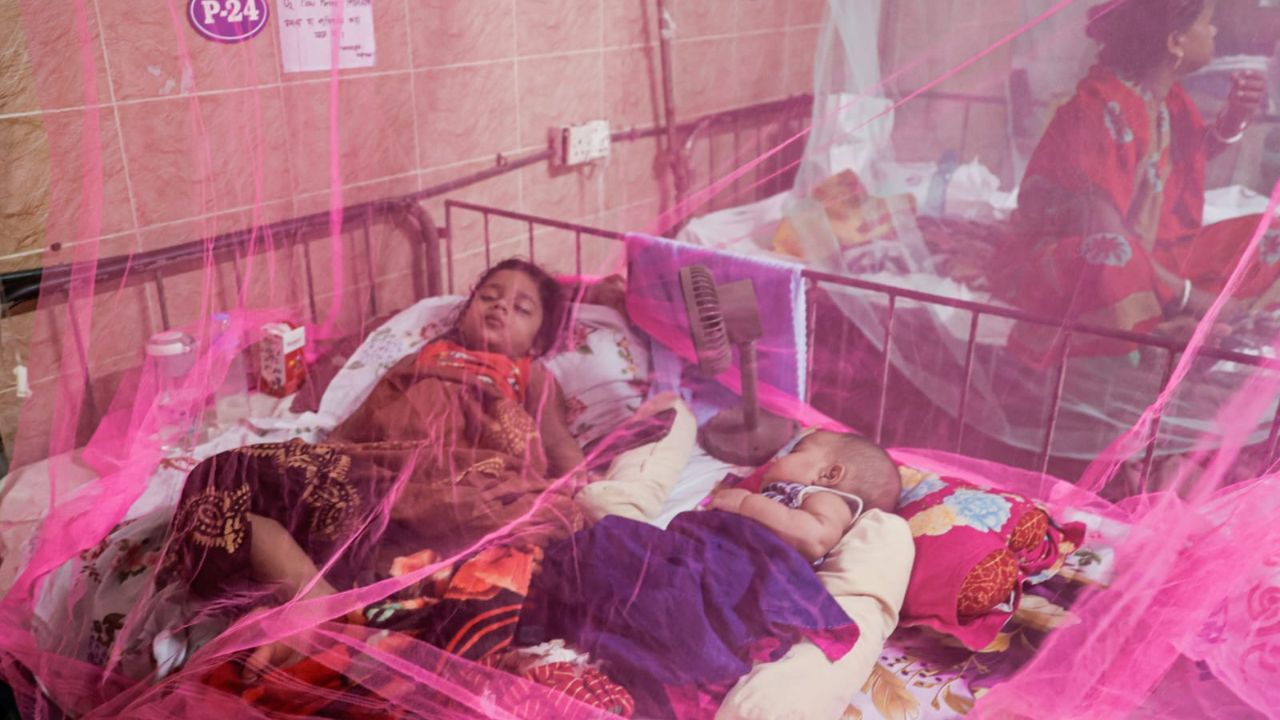
The report highlights an alarming spike in malnutrition, noting that 2.2 million children aged between six months and five years are suffering from acute malnutrition, an increase of 100,000 over the last half-year.
It is estimated that 700,000 children are currently at grave risk of death. This situation is further aggravated by the closure or damage of nutritional services due to ongoing hostilities, alongside severe supply shortages and a lack of funding for life-saving treatments.



South Sudan’s humanitarian emergency is being propelled by a combination of ethnic violence, climate change, and the spillover effects of the conflict in neighbouring Sudan.
The country, which gained independence following a 2011 referendum, remains one of the world’s poorest and is currently struggling with a deepening economic crisis.
There are growing international concerns that the nation could descend back into full-scale civil war.
Despite a 2018 peace agreement intended to end a conflict that claimed nearly 400,000 lives, heavy fighting has recently intensified between the South Sudan People’s Defence Forces and various opposition groups.
These tensions are largely attributed to a long-standing political rivalry between President Salva Kiir Mayardit and the suspended Vice President Riek Machar. Machar is presently facing trial in Juba on several charges, including treason, murder, and crimes against humanity, all of which he has denied.