As the conflict in Sudan enters its third year, Human Rights Watch (HRW) has called on world leaders meeting in Berlin on 15 April to adopt concrete, time-bound measures to protect civilians and hold perpetrators of international crimes accountable.
Germany, the African Union, France, the European Union, the United Kingdom, and the United States are among those attending the Berlin conference, which will address the war between the Sudanese Armed Forces (SAF) and the Rapid Support Forces (RSF).
In February, Ireland, Germany, the Netherlands, Norway, and the UK formed a coalition to prevent atrocities and promote justice in Sudan. The Berlin meeting is seen as an opportunity to expand participation in these efforts.
Mohamed Osman, Sudan researcher at HRW, said, “Yet another year in Sudan has been marred by widespread war crimes, massive displacement of civilians, and an ongoing flow of weapons into the hands of abusive warring factions.”
“The conference in Berlin should not be another box-ticking exercise, but instead finally galvanize international momentum to deter further atrocities, advance justice, and protect civilians, including local aid workers,” he added.

The conference comes amid devastating fighting in the Kordofan region and Blue Nile state. Since January, both sides have used explosive weapons in populated areas, killing civilians and damaging infrastructure.
Médecins Sans Frontières reported that a Sudanese Armed Forces drone strike on a hospital in East Darfur on 20 March killed 70 people, including 15 children.
On 2 April, the RSF carried out a drone strike on a hospital in White Nile state, killing at least 10, including seven medical staff. The UN human rights office said the use of drones highlights the devastating impact of cheap, high-tech weapons in civilian areas.
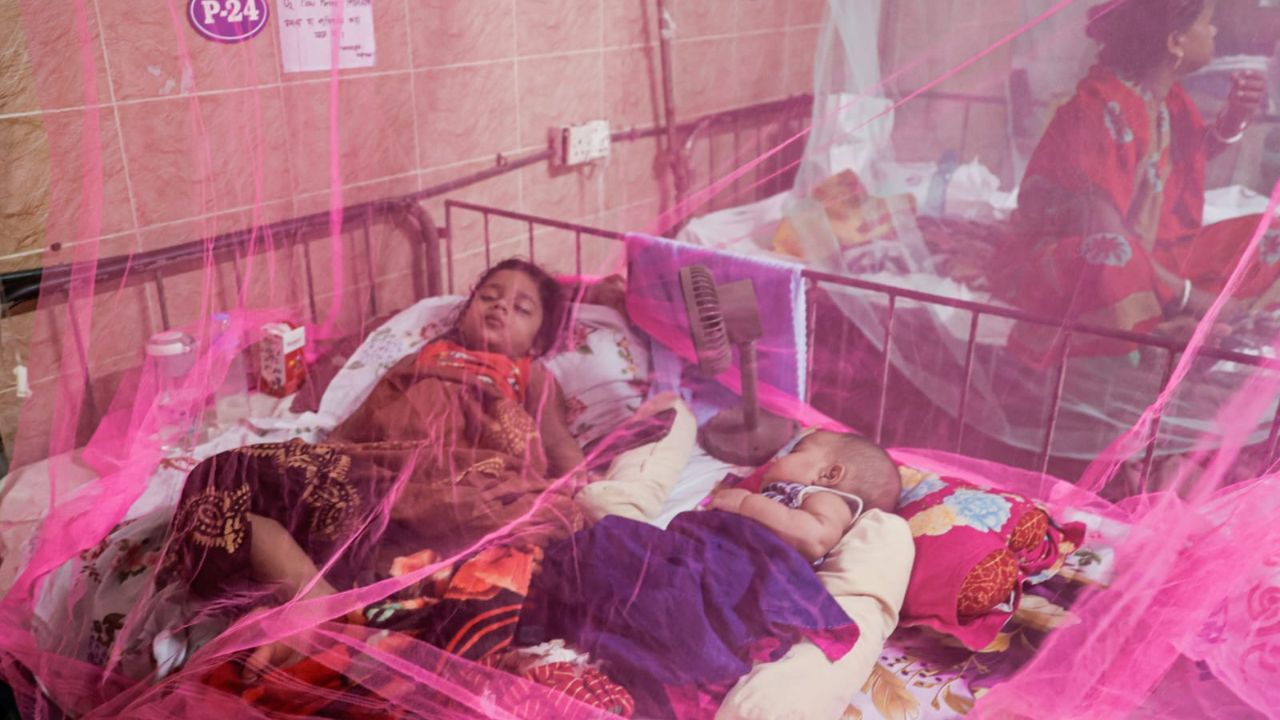


In October 2025, the RSF launched a final assault on El Fasher, the capital of North Darfur, after an 18-month siege. A UN Fact-Finding Mission concluded that the attacks bore the “hallmarks of genocide.”
Human Rights Watch researchers interviewed survivors who described a campaign of bombardment that killed large numbers of civilians, widespread massacres in and around the city, arbitrary detentions including systematic abductions for ransom, and widespread sexual violence.
Despite repeated warnings from civil society about the risk of mass atrocities, other countries failed to act against RSF leaders, the group said.
The organisation also documented that Sudanese Armed Forces and affiliated groups arbitrarily arrested people, often targeting them based on ethnicity, political background, or aid work. Detainees were denied due process and subjected to torture and other ill-treatment.
The HRW called on the European Union to implement recommendations adopted by the Foreign Affairs Council in October 2025, including joining the atrocity prevention coalition. It urged African Union member states to move beyond statements and commit to coordinated diplomatic pressure, monitoring mechanisms, and sustained political engagement to protect civilians.
Participating countries should also back the creation of a mechanism to track and respond to violations of international human rights and humanitarian law, including ongoing attacks on aid workers, and provide political and financial support for their work, the group said.
It further urged countries to take concrete steps toward accountability, including full support for the International Criminal Court’s investigation in Darfur, pressing Sudan’s warring parties to allow access for independent monitors, and demanding the handover of former dictator Omar al-Bashir and others wanted by the ICC. It called for expanding the court’s jurisdiction to cover all of Sudan.
The group said countries should publicly call out backers of the warring parties, including the UAE, and commit to preventing ongoing support to abusive factions. It urged enforcement of the UN arms embargo on Darfur and expansion of the embargo to all of Sudan.
“This conference should not be remembered as the first day of yet another year of atrocities against civilians in Sudan,” said Mohamed Osman.
“Participants should identify and implement measures to change that, including coordinated strategic action to hold those responsible to account and robust efforts to protect civilians and open civic space.”