The National Doctors’ Forum (NDF) has urged the government to incrementally increase the health sector’s share of the national budget to five per cent of the Gross Domestic Product (GDP).
During a roundtable discussion titled “National Health Budget 2026-27” held on Thursday at the Dhaka Reporters’ Unity in Segunbagicha, the organisation’s leaders highlighted that the current allocation of 0.7 per cent is critically inadequate to meet the population’s medical needs.
This disparity has led to growing inequality in healthcare, forcing the public to bear a significant portion of their medical expenses from their own pockets.
Financial burden and investment
Presenting the keynote paper, economist and researcher Dr Mizanur Rahman pointed out that while the World Health Organisation (WHO) recommends a minimum of five per cent of GDP be spent on health, Bangladesh’s current spending remains at just 0.7 per cent.

Consequently, citizens are forced to cover approximately 70 per cent of their total health costs personally, which creates a severe financial risk for low- and middle-income families.
Dr Rahman emphasised that health should be viewed as a long-term investment for the state rather than a mere expense, noting that sustainable development and human resource growth are impossible without adequate investment in this sector.
Systemic reforms and regional hubs
The event was presided over by NDF President Professor Dr Nazrul Islam and moderated by Secretary General Professor Dr Mahmud Hossain.


Special guest Dr Moslehuddin Farid, Member of Parliament for Jessore-2, highlighted the global disparities in health spending and stressed the importance of zero-cost health reforms alongside budget increases to establish a transparent, people-oriented system.
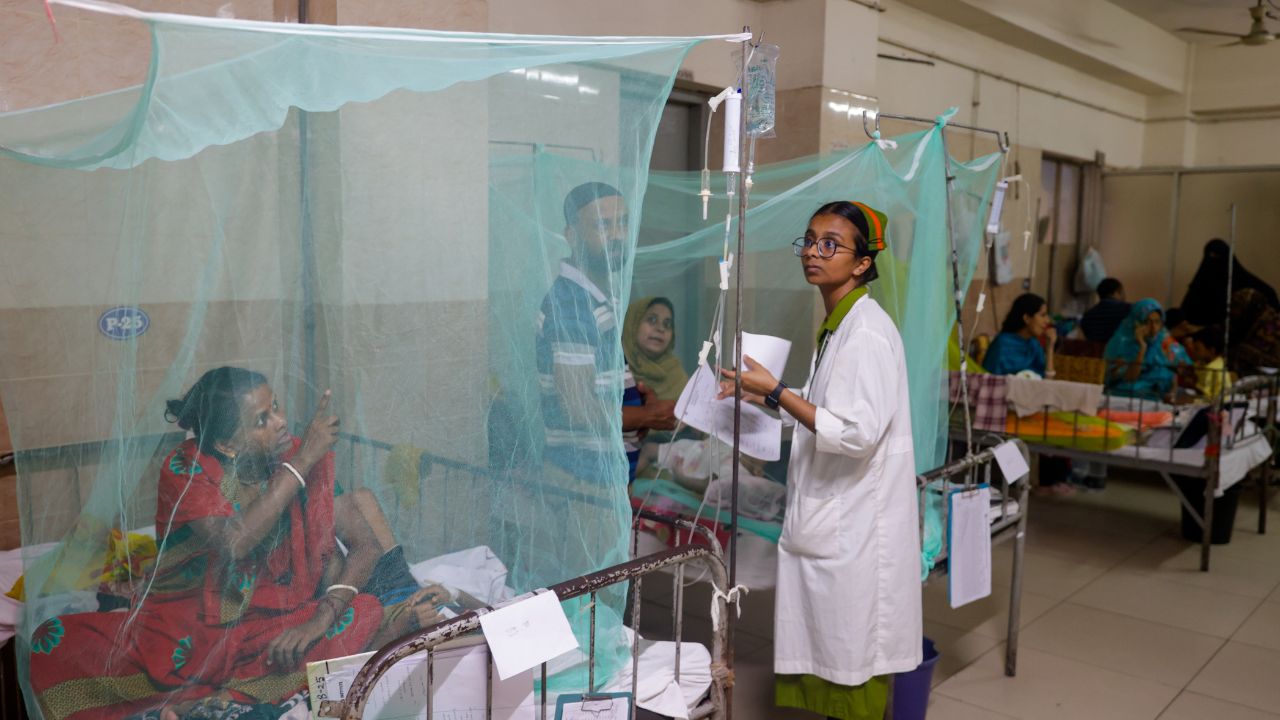
Speakers at the meeting observed that the healthcare system is currently facing a “Low Resource, High Demand” crisis.
They noted that shortages of doctors and nurses, a lack of modern facilities at the district level, and administrative weaknesses mean the public is deprived of desired services, especially as healthcare remains heavily concentrated in the capital.
Strategic recommendations for 2026-27
To address these challenges, the NDF proposed raising the per capita health allocation to 100 US dollars. A key recommendation involved transforming districts into “medical hubs” by expanding Intensive Care Units (ICU), Neonatal Intensive Care Units (NICU), dialysis, cancer, and cardiac treatment centres at the district level.
The forum also advocated for the introduction of a national health insurance scheme, increased funding for medical education and research, and special incentives for rural healthcare services.
They also called for an improved supply of medicines in government hospitals and the expansion of digital health and telemedicine services.
The discussion included contributions from Advocate Sabikunnahar Munni, MP for a reserved seat, and a panel featuring health economist Professor Dr MA Sabur, Professor Dr Shadrul Alam, Professor Dr Khorshed Ali Miah, and Professor Dr Mohsin Ahmed.
The experts concluded that if effective health insurance and robust primary healthcare are ensured, Bangladesh could develop a sustainable healthcare system comparable to those in Thailand, Sri Lanka, and Malaysia.