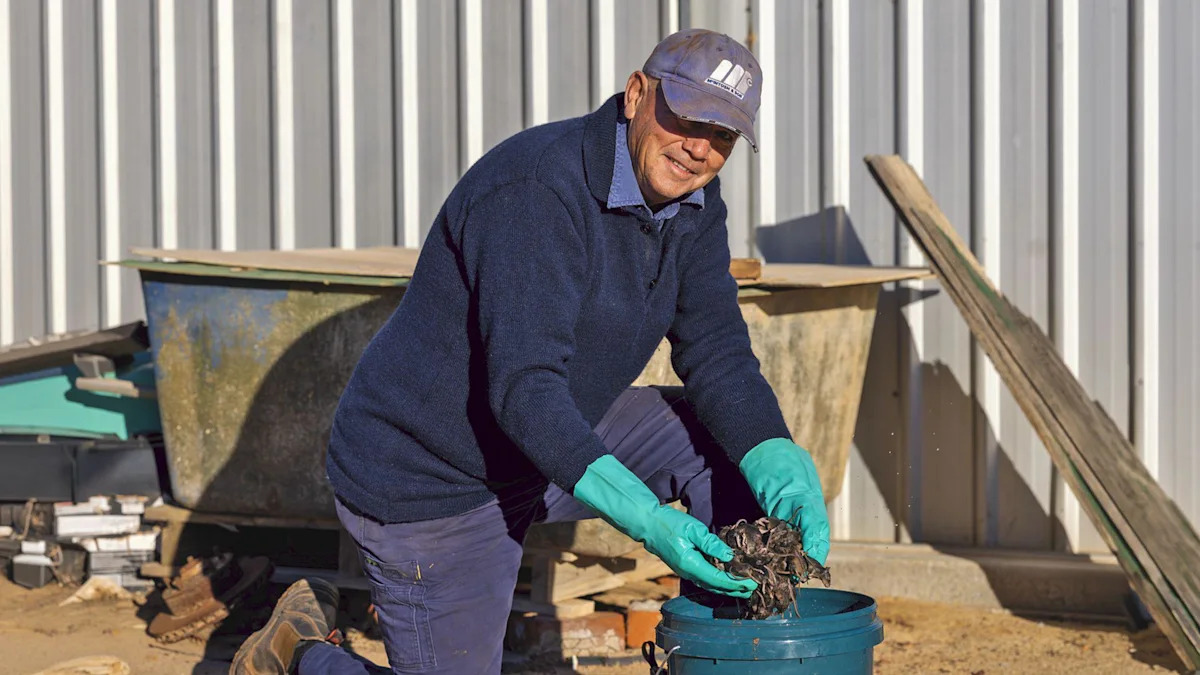
Across vast stretches of rural Australia, farmers are fighting a quiet but relentless invasion. A mouse plague has erupted across Western Australia and parts of South Australia, with rodents swarming grain fields, invading homes and consuming freshly sown crops before they can even take root.
For many, the timing could not be worse. Already strained by volatile fuel and fertiliser prices, farmers say the infestation has added a crushing new layer of cost and stress during a critical planting season.
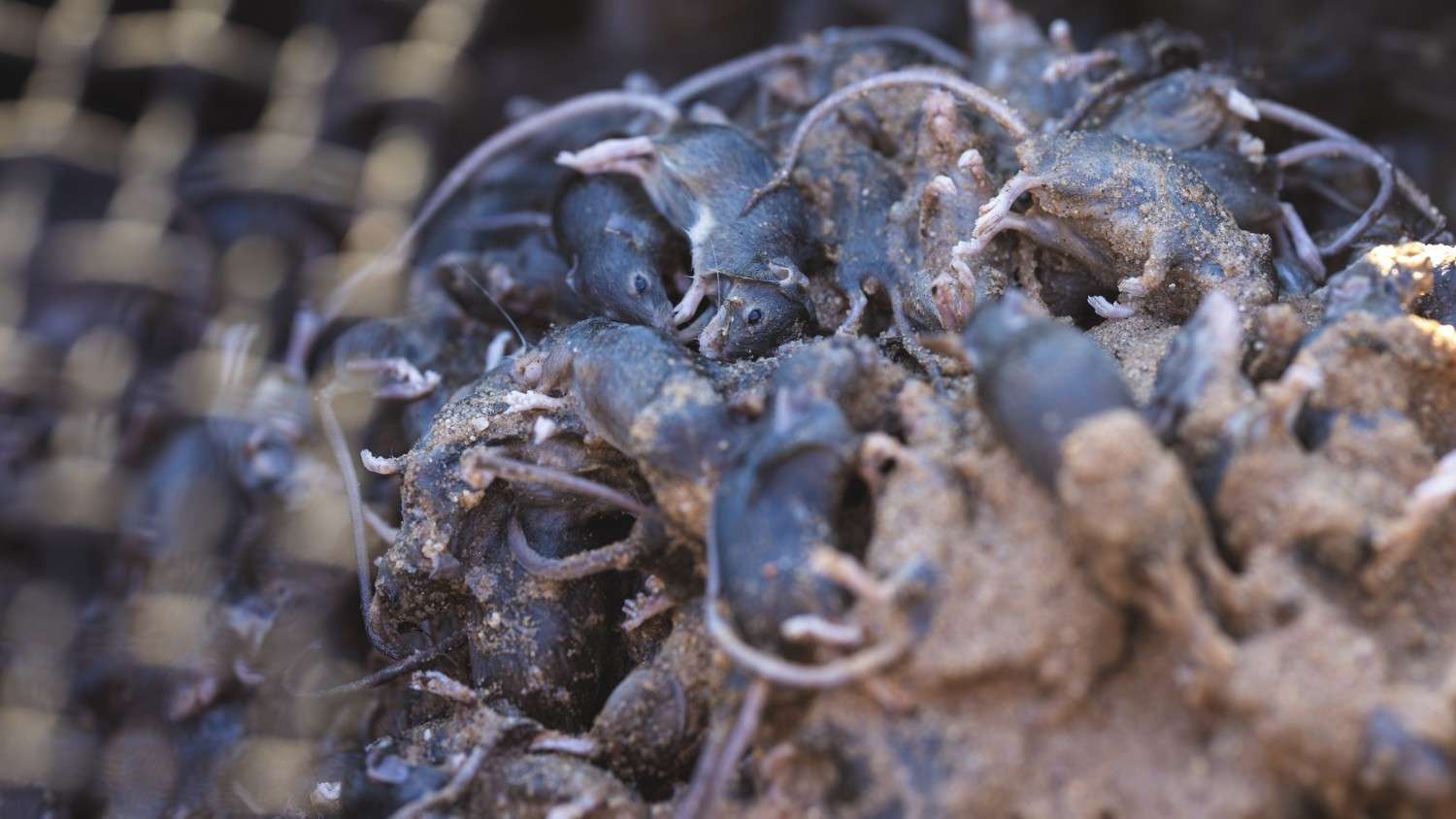
On a 14,000-hectare farm in Mingenew, wheat and canola grow alongside a constant, unsettling presence. The mice have become impossible for farmers to ignore, adding that the financial burden goes far beyond the cost of bait. They are present at night in ceilings and living spaces, making both farming and rest difficult.

Further north, a record harvest has left behind spilt grain, followed by summer rain that encouraged fresh green shoots. In some paddocks, experts estimate that there are thousands per hectare, with rodents eating seeds directly from furrows after planting.




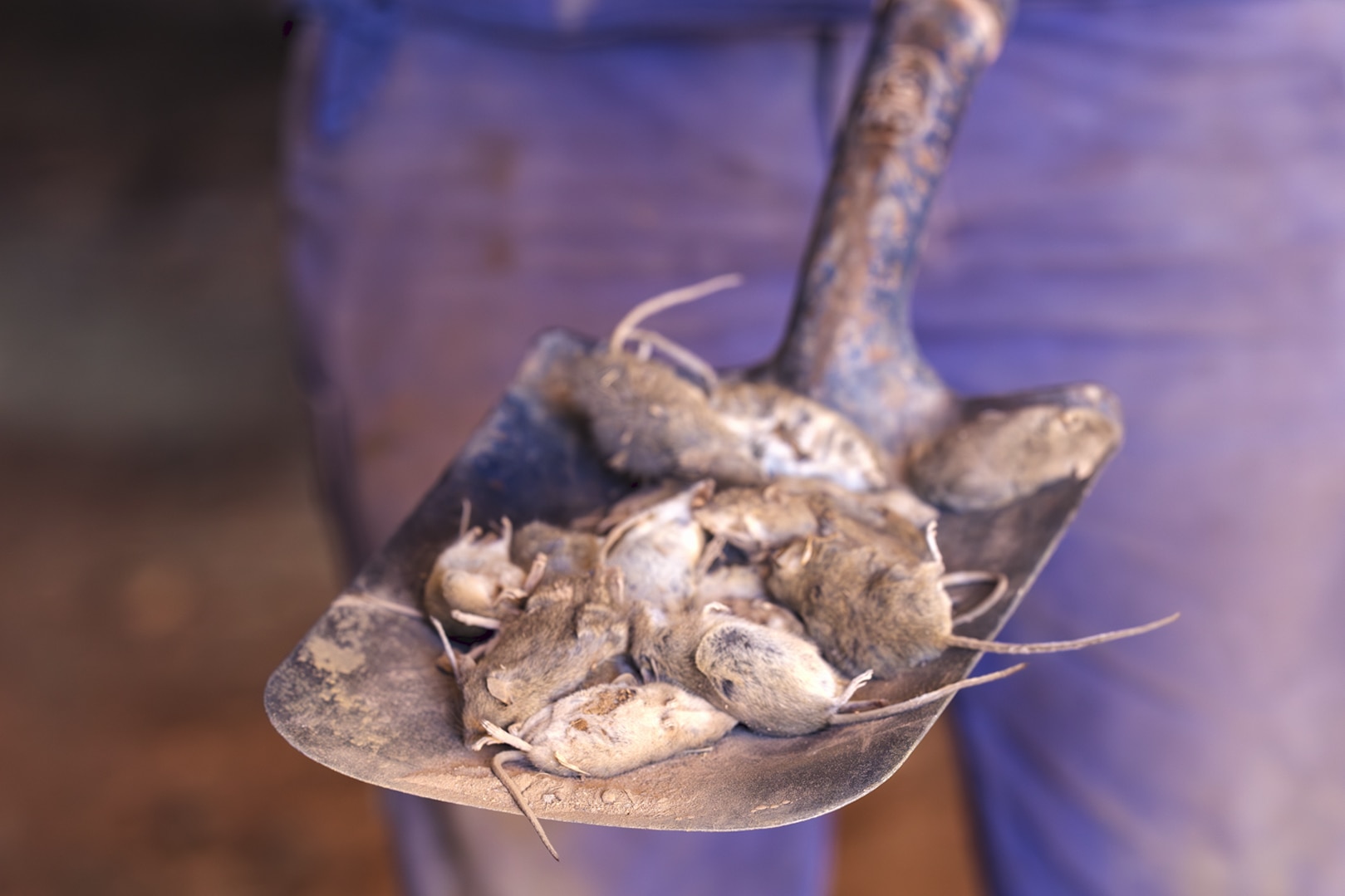
The population has not followed the usual cycle of collapse. Instead, the infestation has remained sustained, turning daily farm life into an ongoing nightmare.
Experts warn the scale is extraordinary. Researchers from Australia’s CSIRO say a plague begins at around 800 mice per hectare, yet current estimates in parts of Western Australia reach several thousand. With mice breeding every few weeks and producing large litters, populations can surge rapidly and persist until food shortages or weather changes intervene.
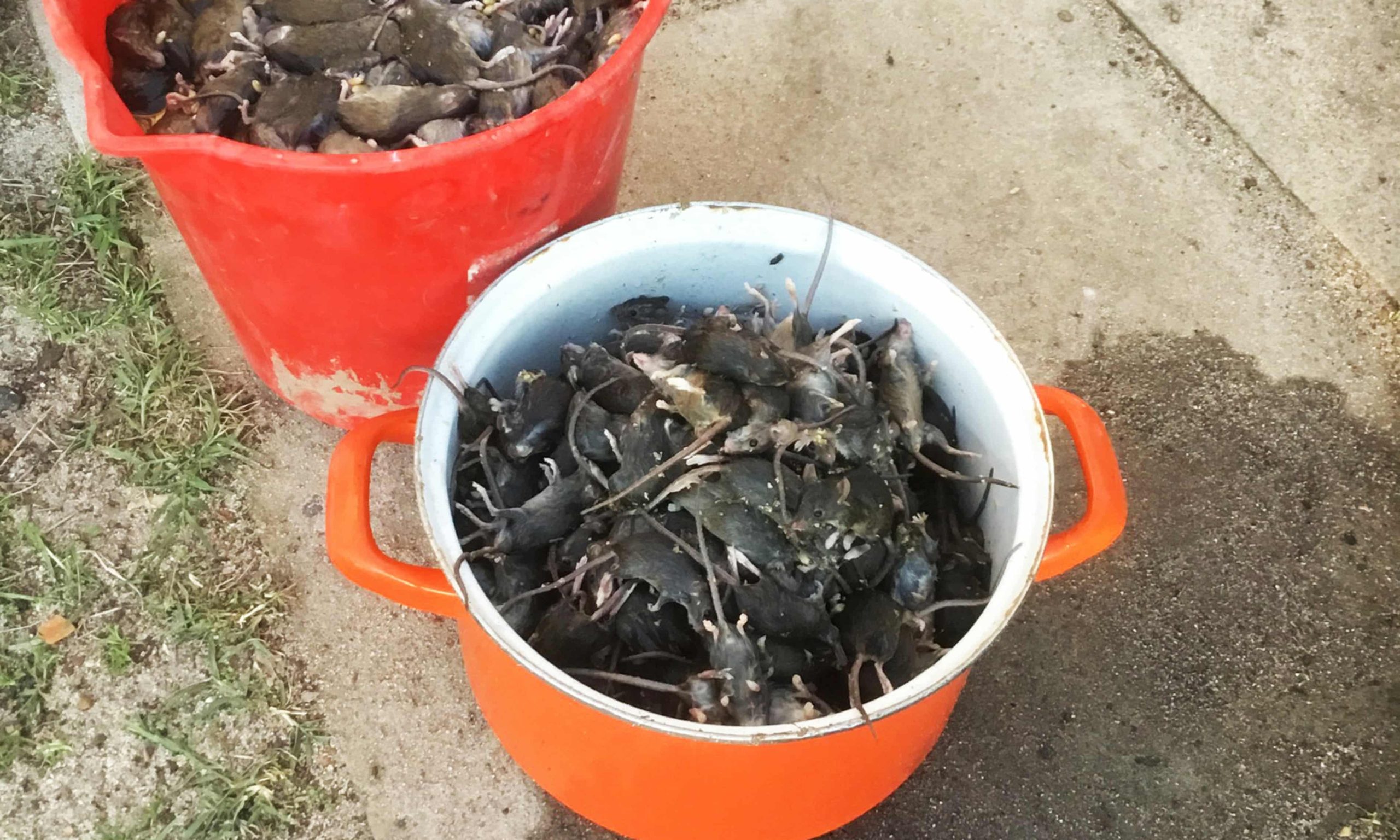
The damage is not only financial but psychological. Farmers report sleepless nights, damaged storage, and constant vigilance, as the infestation extends from fields into homes and living spaces.
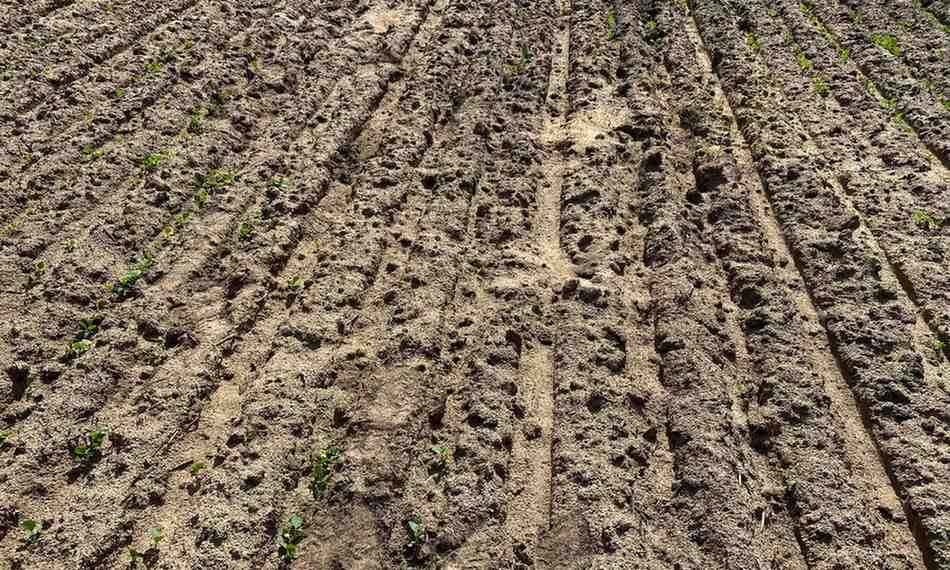
After months of pressure, regulators have approved stronger bait, offering some hope alongside cooler weather forecasts. Many farmers believe winter rain may help slow the spread. For now, across Australia’s grain belt, the battle continues field by field, night after night, against a plague that moves as fast as it multiplies.