Transparency International Bangladesh (TIB) has raised alarms regarding the pre-election environment and the upcoming referendum, citing a regressive shift towards the use of money, religion, muscle power, and patriarchal political practices.
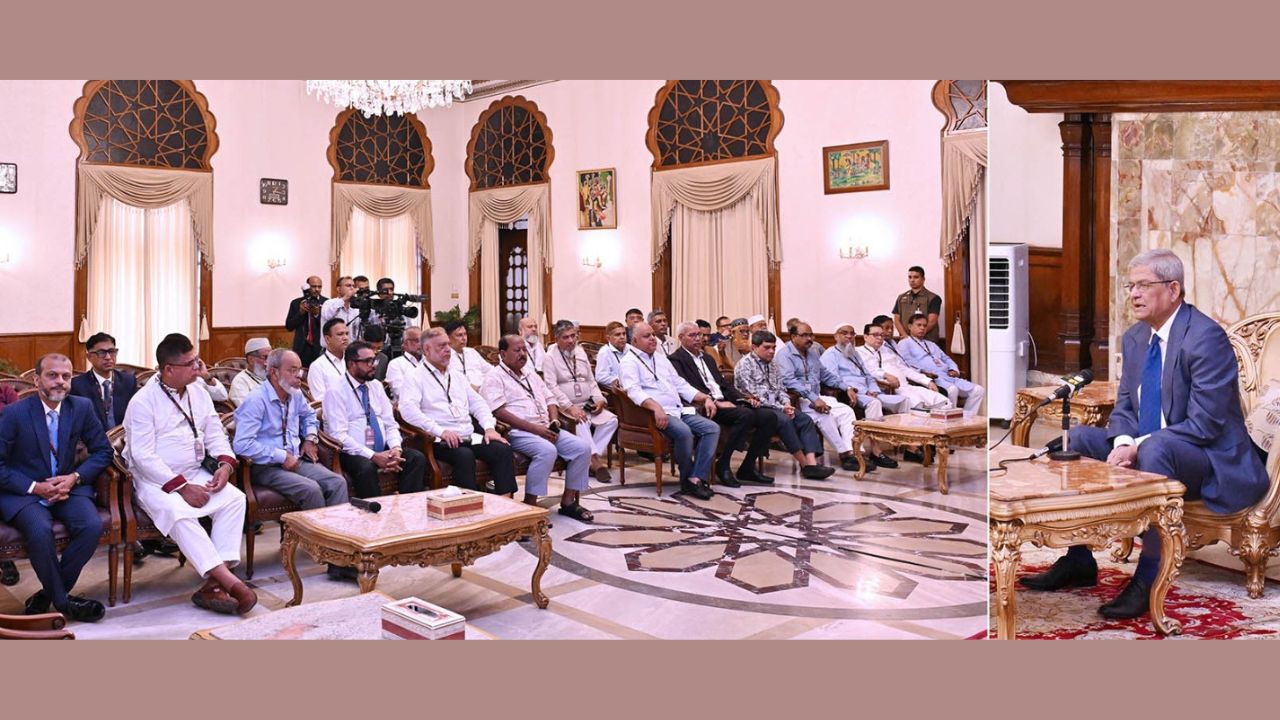
During a press conference titled “Pre-election and Referendum Situation: TIB’s Observation” held at its headquarters on Sunday, the anti-corruption watchdog stated that these trends are jeopardising the safety and political participation of women and marginalised groups.
Despite various initiatives taken by the Election Commission, TIB observed that free, fair, and inclusive competition remains under serious threat due to the conduct of political parties, administrative weaknesses, and the controversial roles played by certain media and digital platforms.
Journalists targeted
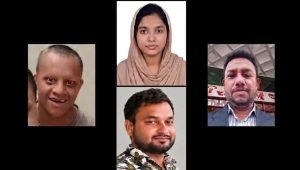
At the event, TIB researcher Md Mahfuzul Haque presented a research report detailing the current democratic deficit. The organisation strongly protested the recent abduction of 21 employees of an online news outlet, who were reportedly taken away last Saturday night without specific charges.

TIB described this incident as a direct assault on the freedom of the press, and a move designed to instil fear across the entire media industry.
The report further highlighted that following the fall of the previous authoritarian government, there were high public expectations for a state system rooted in accountability and equality.
While the “July Charter” was adopted with 84 reform proposals to meet these goals, TIB noted that the implementation process and the organisation of the referendum have been mired in confusion and debate from the outset.



Institutional trust, security breaches
TIB’s findings indicate a substantial lack of stakeholder confidence in the Election Commission. Despite updating the voter list three times, concerns persist regarding unusual voter migration in certain constituencies and the alleged inclusion of Rohingya voters.
The commission has received approximately 1,085 objections related to the redrawing of electoral boundaries. The report also pointed to a lack of transparency in the registration of political parties, the allocation of symbols, and the accreditation of election observers.
Security concerns are also mounting, with TIB identifying 59% of polling centres as “risky”. The organisation claimed to have reliable information regarding the embezzlement of funds earmarked for security at these locations.
Additionally, a major security breach was reported involving the EC website, where the personal data of nearly 14,000 media professionals was leaked, posing a grave risk to those individuals.
Expenditure violations, lack of representation
The monitoring report revealed widespread violations of the electoral code of conduct, particularly regarding campaign spending. Data shows that 33.8% of candidates exceeded the official expenditure limits, with an average spend of over Tk1.19 crore.
TIB also expressed deep concern over the use of Artificial Intelligence (AI) to spread misinformation on social media, alongside a rise in derogatory and hateful attacks directed at female candidates and activists.
Representation of women and minorities remains critically low, with women making up only 4.05% of total candidates and religious or ethnic minorities accounting for just 3.91%. Notably, 30 political parties, including Jamaat-e-Islami, failed to field a single female candidate.
The referendum controversy
Regarding the upcoming referendum, TIB argued that treating the general election and the referendum as synonymous has created significant legal and administrative confusion. The organisation noted a distinct lack of coordination between the government and the Election Commission, which has unnecessarily dragged the referendum into controversy.
However, TIB maintained that key reform proposals within the July Charter – such as criminalising the abuse of power and granting constitutional status to the Anti-Corruption Commission (ACC) – are vital measures that should be validated through a public mandate.