The measles outbreak continues to claim lives in Bangladesh, with ten more deaths reported in the past 24 hours, pushing the total death toll to 179.
The Directorate General of Health Services (DGHS) confirmed that the deaths are due to suspected or confirmed measles cases, with 28 laboratory-confirmed and 151 suspected deaths recorded since the outbreak began in March.
Of the ten who died during the past 24 hours, four were laboratory-confirmed measles patients, while six died with symptoms of the disease.
The DGHS reported that 1,268 new suspected cases were recorded in the past day, bringing the total number of suspected cases to 15,653 since 15 March.
Among them, Dhaka Division remains the hardest-hit region, with the highest number of deaths and new cases. Authorities have continued to focus on treating and isolating patients, with 10,225 people hospitalized since the outbreak began.

Health experts note that while the number of confirmed cases has risen to 2,639, there is a slight decline in the rate of new infections.
Nonetheless, the number of deaths from suspected measles remains concerning, particularly in densely populated areas like Dhaka. People are advised to seek immediate medical attention if symptoms such as fever, rashes, or cough appear.
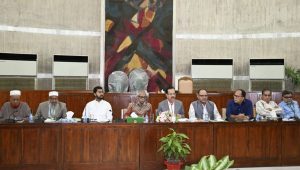
As Bangladesh battles this public health crisis, Health and Family Welfare Minister Sardar Md Sakhawat Hossain expressed cautious optimism about the situation.




Speaking at a recent vaccination campaign launch in the Dhaka South City Corporation area, the minister said, “The measles situation, which escalated rapidly, is now moving towards control due to the swift action taken by the government. The number of new infections is declining, but we must remain vigilant.”
Expansion of vaccination campaign
In response to the ongoing crisis, a special measles-rubella vaccination campaign has been ongoing since early April, targeting children under five years of age.
The campaign initially launched in 30 upazilas across 18 districts and is now expanding to the densely populated city areas, including those in Dhaka North, Dhaka South, Barishal, and Mymensingh city corporations.
The minister emphasized the importance of ensuring every child receives the measles vaccine to curb the spread of the disease. “We must reach every neighborhood, every lane, and every child. No child should be left out of this campaign,” Hossain said.
The government’s goal is to vaccinate children between six months and five years old to reduce the risk of further outbreaks.
State minister’s call for political support
At a separate event in Dhaka’s Korail slum, State Minister for Health MA Muhith called on political leaders to lead by example in promoting the measles vaccination drive. He emphasized that politicians could play a critical role in ensuring the success of the campaign by engaging with communities directly.
“This is an opportunity for politicians to go door to door and inform the public about the importance of vaccination. By reaching out personally, we can help protect our children and prevent further deaths from measles,” Muhith said.
He also highlighted the importance of achieving community-wide immunity, saying that at least 95% of children need to be vaccinated to halt the spread of the disease. He expressed confidence that the government’s efforts would successfully curb the outbreak and prevent future health crises.
Ongoing nationwide campaign
The nationwide measles prevention campaign is set to launch on 20 April, expanding beyond the initial areas of focus. With government officials, health workers, and local politicians mobilized to educate the public, there is hope that this swift response will bring the outbreak to a close and prevent further loss of life.
Dengue vigilance amidst measles campaign
While the government works to control the measles outbreak, the health minister also urged the public to remain vigilant against the looming threat of dengue fever. With the rainy season approaching, the risk of dengue outbreaks increases, and he stressed the need for effective mosquito control.
In a separate statement, he called on residents to eliminate stagnant water where mosquitoes breed, such as in old containers, tyres, and coconut shells.
“We cannot fight dengue alone. Public participation is essential in ensuring that standing water is removed from homes and neighborhoods,” he said. The minister also urged for proper use of insecticides to effectively control the mosquito population.