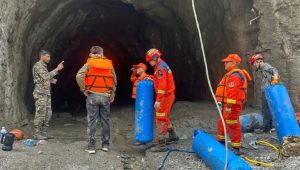
Every morning in parts of Netrokona, a grey haze settles over nearby villages as brick kilns begin firing for the day.
For families living in proximity, this is not just an inconvenience but a daily health risk that shapes their lives, livelihoods, and future.
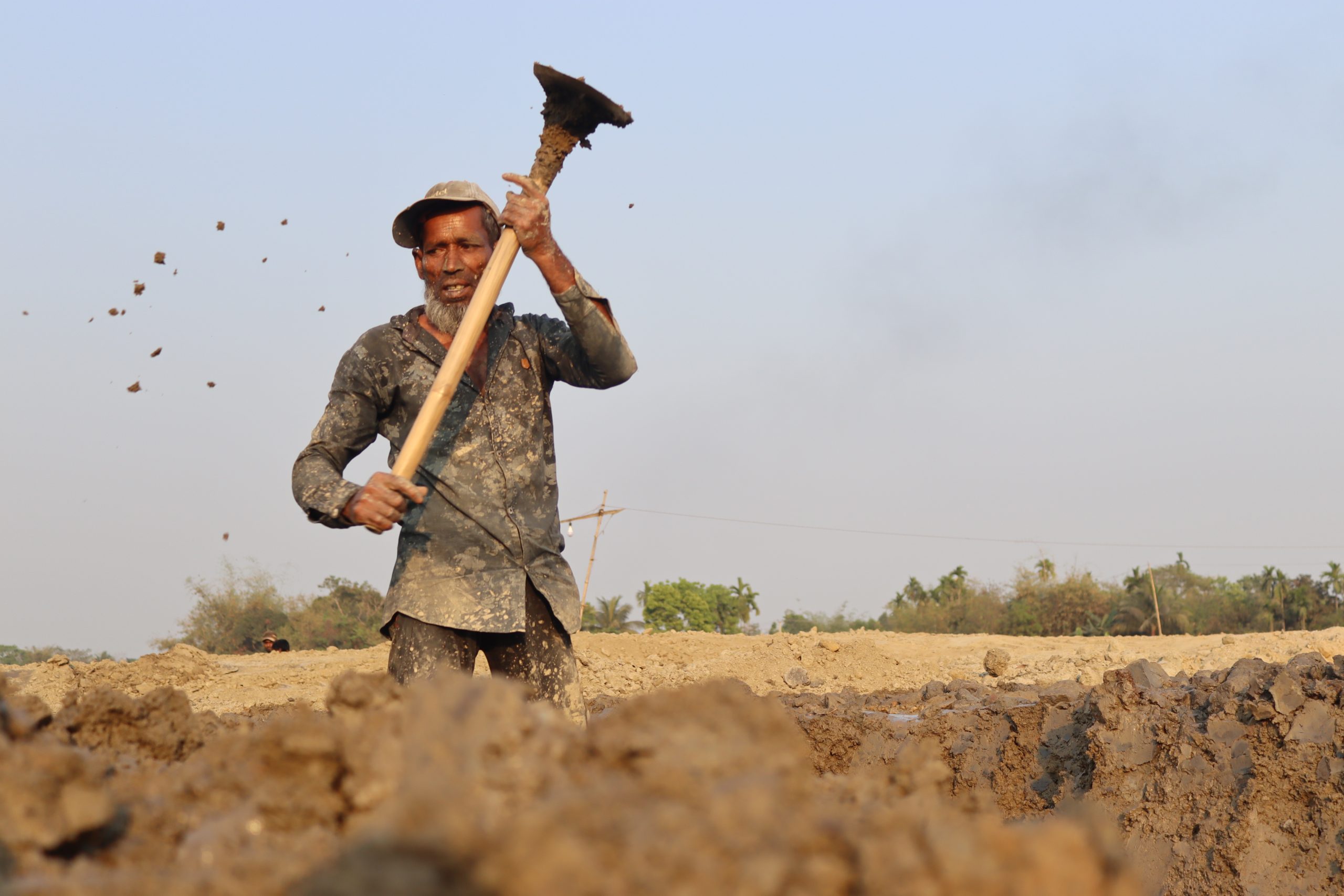
Brick kilns remain essential to the construction sector in Bangladesh, yet their environmental and human costs are becoming increasingly evident. Thick smoke released from these kilns contains harmful pollutants such as particulate matter, carbon monoxide, and sulphur dioxide.
These emissions significantly degrade air quality, leaving residents, especially children and the elderly, vulnerable to respiratory illnesses including asthma, chronic coughing, and breathing difficulties. Many locals report that such conditions worsen during peak kiln operation periods.

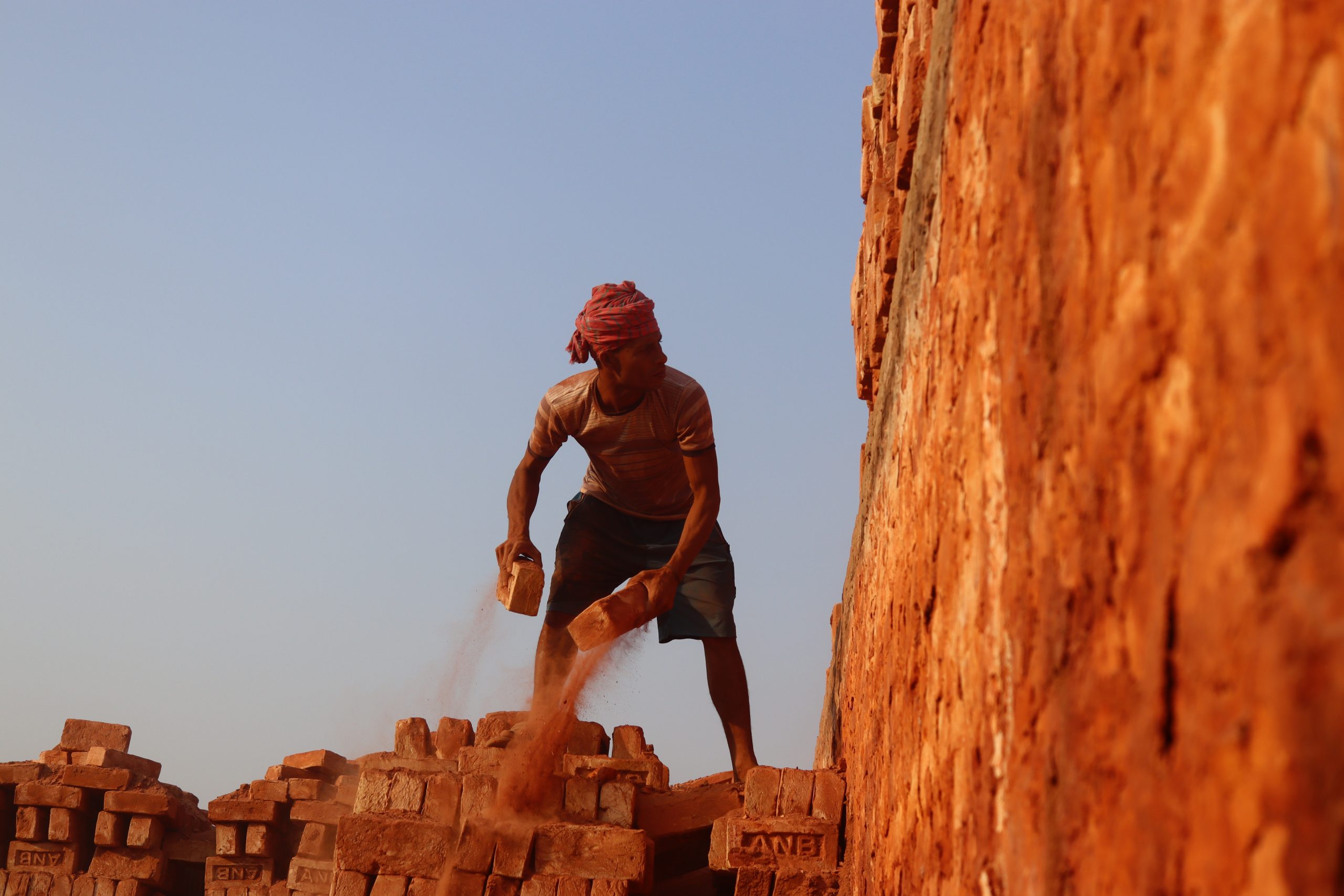
The environmental impact is equally severe. Brick production often involves removing fertile topsoil from agricultural land, which reduces soil productivity and affects crop yields.
In an area like Netrokona, where many families depend on farming, this loss directly threatens food security and income. Additionally, the use of firewood and other fuels contributes to deforestation, further disrupting the ecological balance.

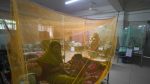


For workers, the reality inside the kilns is harsh. Labourers endure long hours in extreme heat, surrounded by dust and toxic fumes.
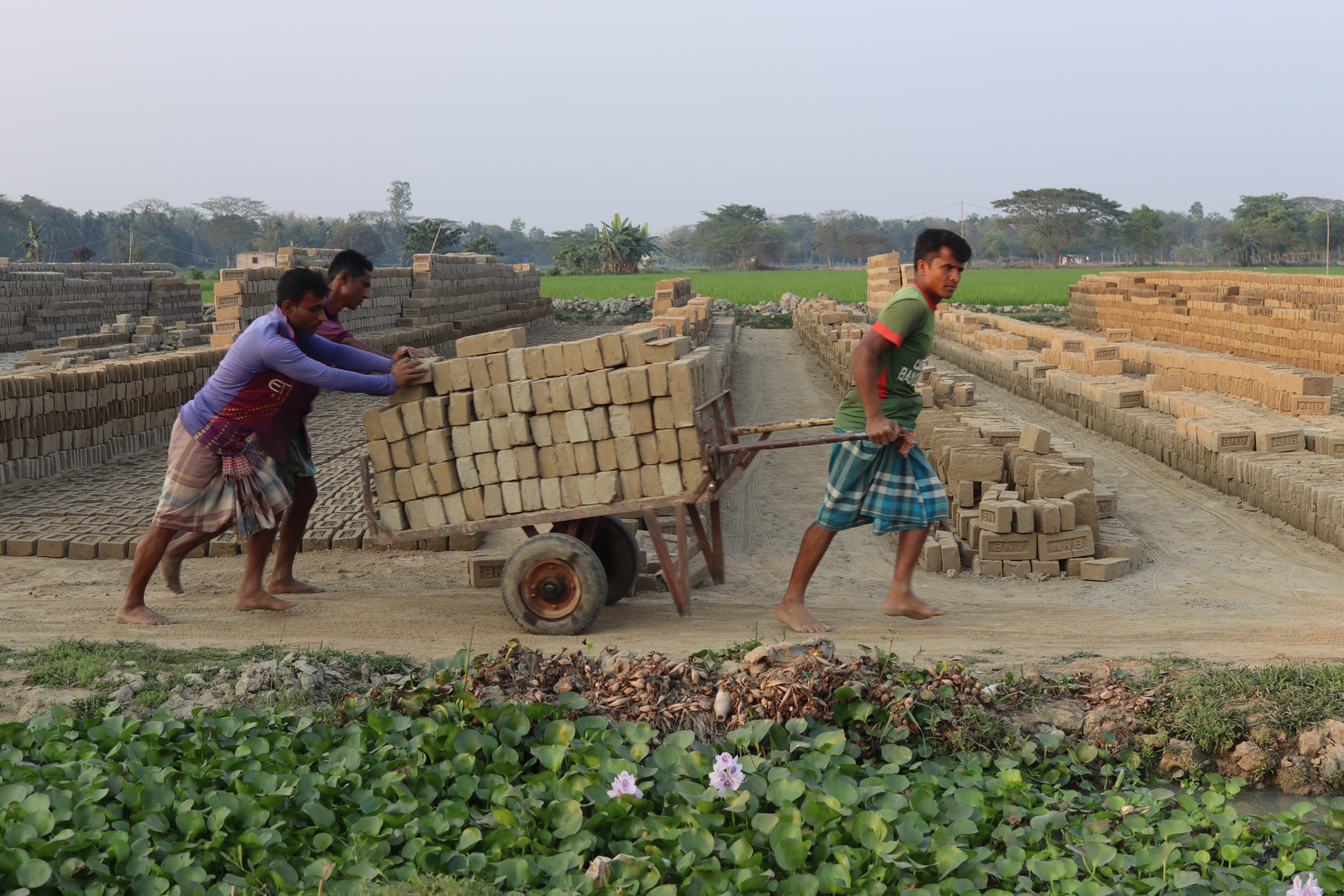
This exposure leads to various health issues, including skin diseases, eye irritation, and chronic respiratory problems.
Many workers lack access to safe drinking water, healthcare, and proper housing. Low and irregular wages add to their hardship, trapping families into cycles of poverty.
Child labour also persists in some kilns, where children are engaged in physically demanding work instead of attending school. This not only endanger their health but limits their future opportunities.
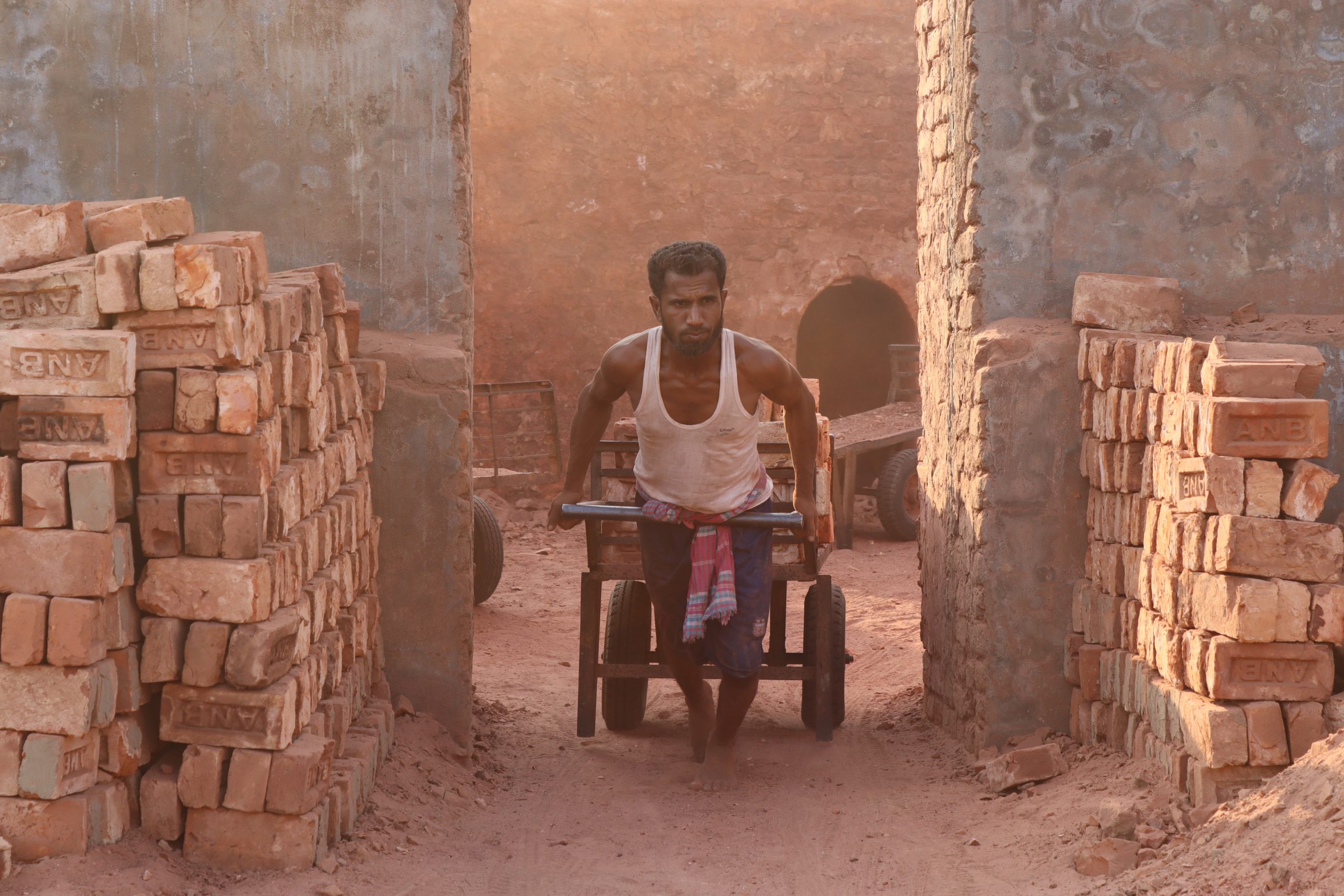
Such practices stand in violation of existing regulations, including the Brick Manufacturing and Brick Kilns Establishment (Control) Act, 2013, which prohibits the use of agricultural topsoil, restricts kiln operations in certain areas, and mandates environmentally safer technologies.
However, weak enforcement means many kilns continue to operate outside legal boundaries.
While brick kilns support development, the situation in Netrokona highlights the urgent need for stricter enforcement of laws, adoption of cleaner technologies, and improved protection for workers and communities. Without meaningful intervention, the cost of development will continue to be borne by those least able to afford it.