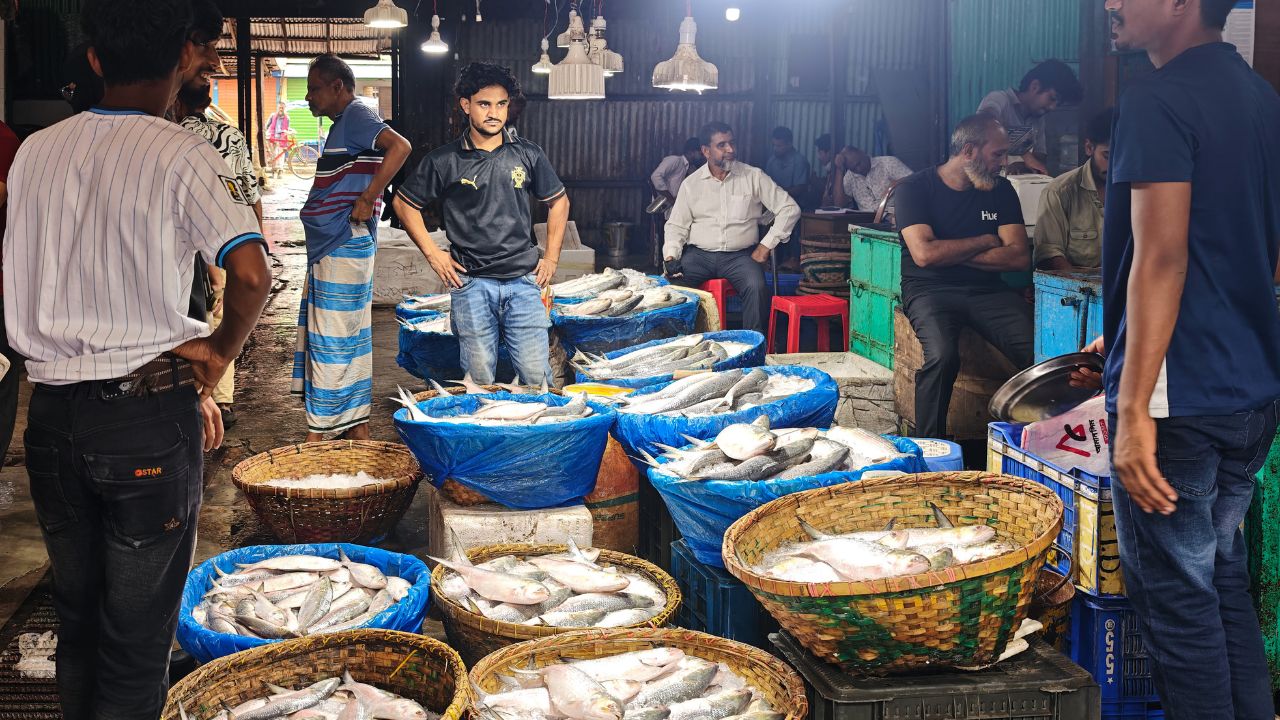



July and August usually bring a familiar scene to Chandpur. The Padma-Meghna turns into a busy highway of fishing boats. Traders crowd the landing stations and the silver flash of hilsa fills baskets before making its way to markets across the country.
This year, however, something feels different. At the Bora Station fish landing, one of the country’s major hilsa hubs, the familiar abundance has all but disappeared.
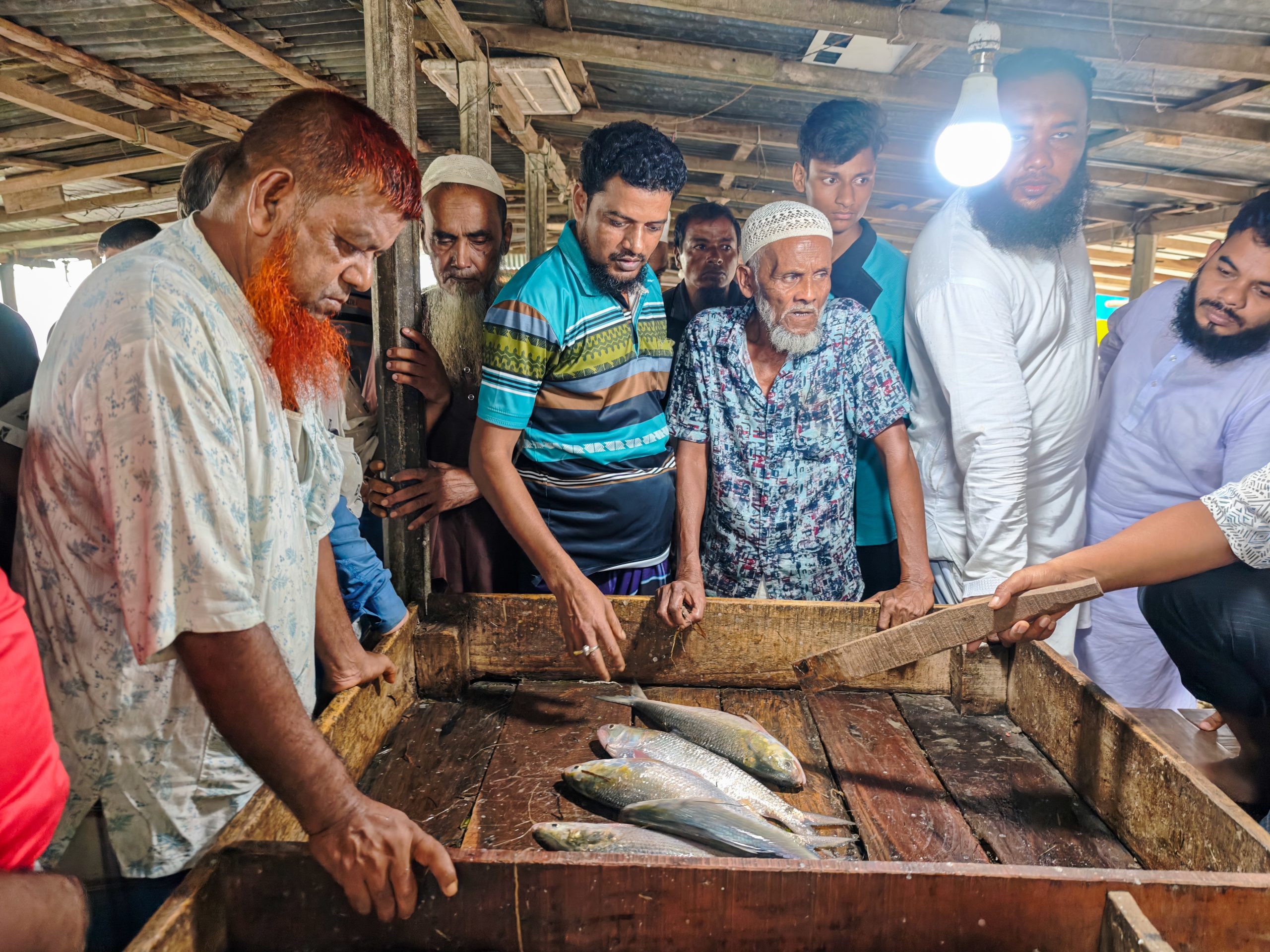
During the peak season, the landing centre once handled around 1,000 to 1,500 maunds of hilsa a day. Now, traders struggle to collect even 100 to 200 maunds.

The shortage is being felt far beyond the riverbank. With supply falling sharply, prices have climbed beyond the comfort of ordinary consumers.
A one-kilogramme hilsa that previously sold for between Tk1,800 and Tk2,200 at the landing centre now costs around Tk3,000.




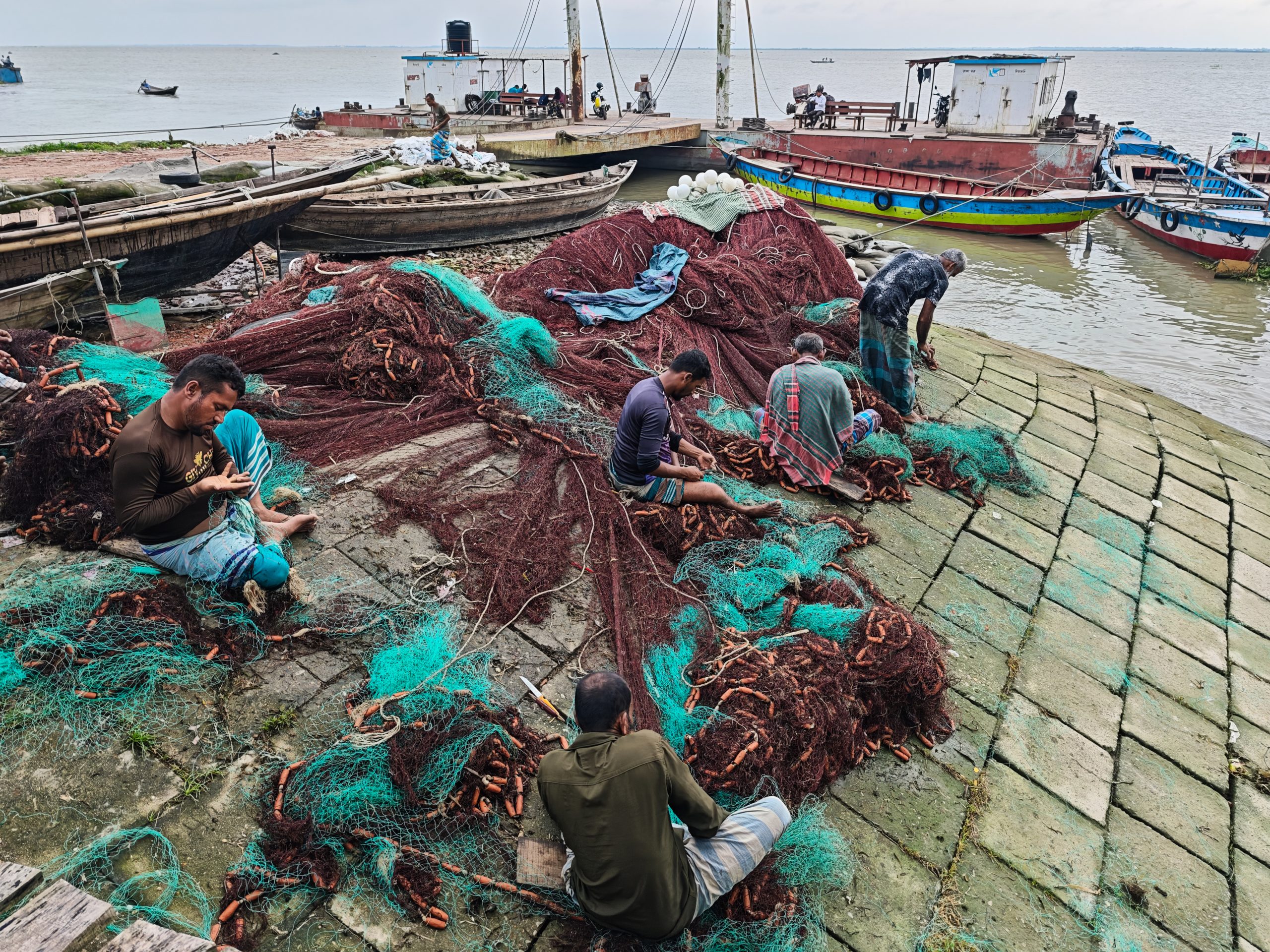
For fishermen and traders, the question is simple: Where have the fish gone?
Many point to the changing condition of the rivers. Reduced navigability and the formation of underwater sandbars and other obstructions are believed to be disrupting hilsa’s natural movement between the sea and the rivers.
The fish depends on these waterways for its seasonal migration and spawning. When those routes become difficult to navigate, the entire cycle is put under pressure.
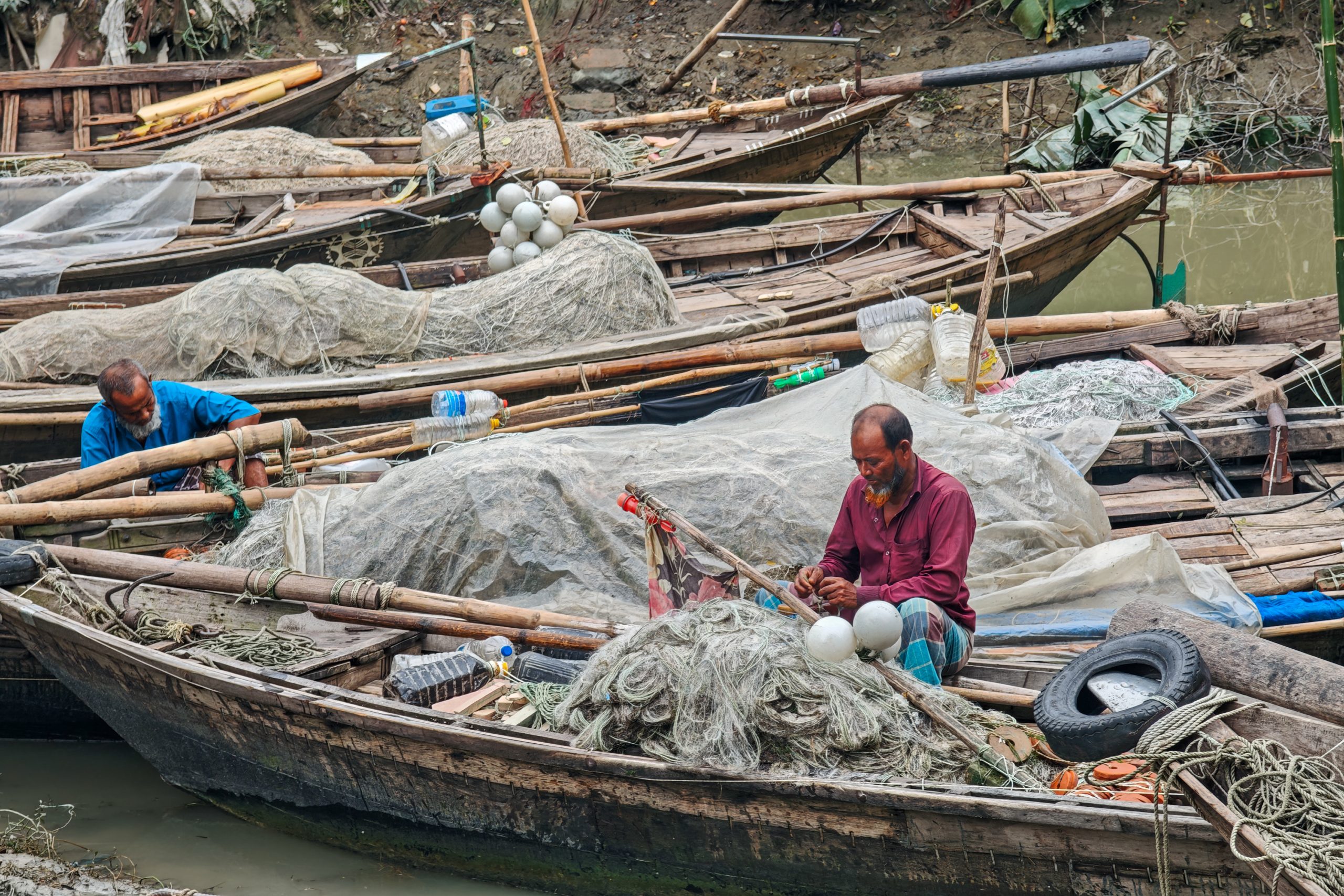
The crisis also exposes a difficult contradiction. Bangladesh has invested heavily in protecting mother hilsa and jatka, including seasonal fishing bans and enforcement drives. Yet conservation efforts alone cannot solve a problem if the river itself is becoming less hospitable to the fish.
For generations, Chandpur’s identity has been closely tied to hilsa. The fish support fishermen, boatmen, traders, transport workers, and countless small businesses along the supply chain. Now, the silver abundance that once defined the peak season is becoming increasingly scarce.
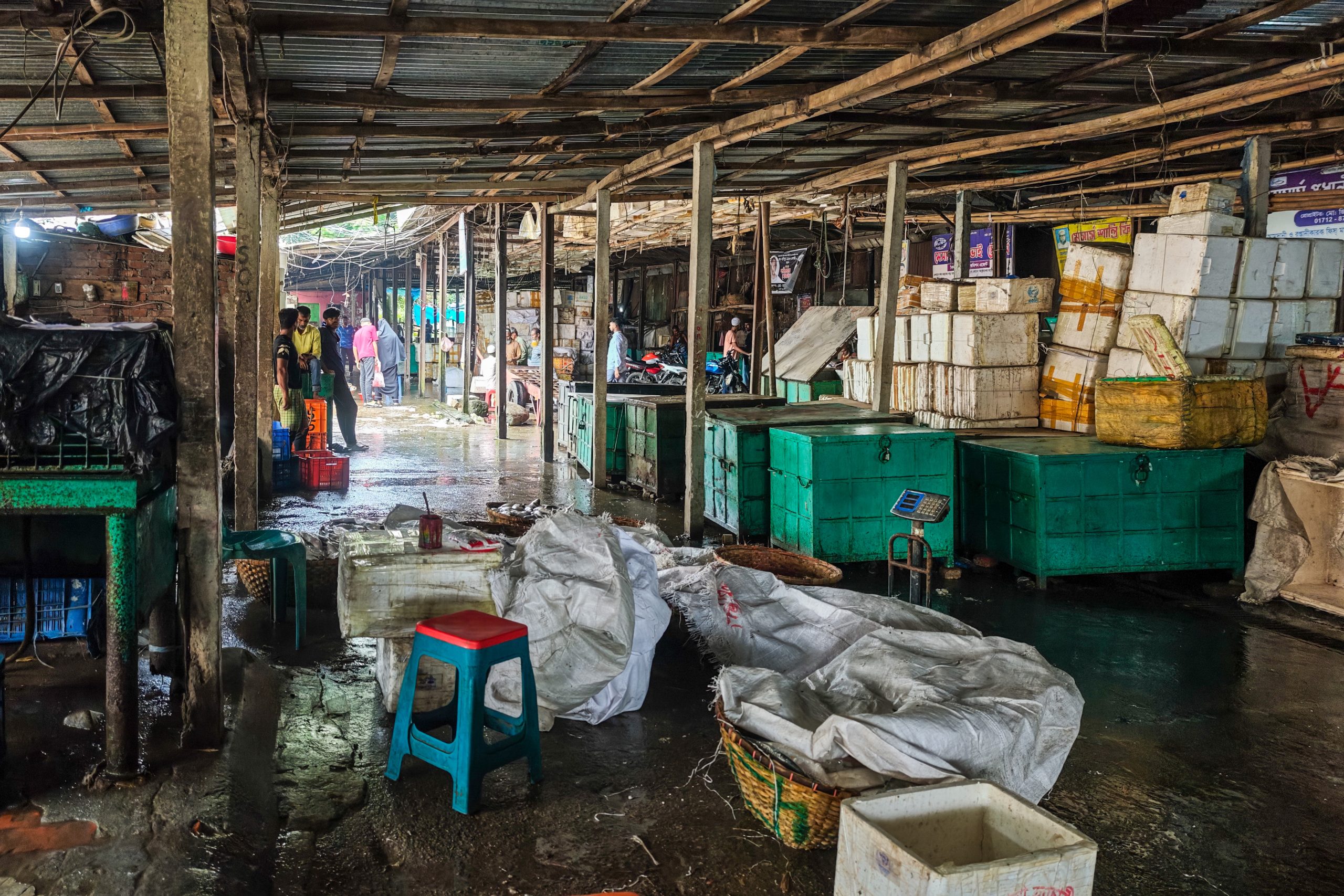
If river dredging, navigability restoration, and broader environmental measures are delayed, Chandpur may not simply lose its hilsa trade. It could lose one of the traditions that has long connected the town to Bangladesh’s national love for hilsa.