The ongoing conflict in the Middle East has transformed daily life for expatriates in Qatar into a constant struggle with fear and uncertainty. Sidratul Muntaha, a Bangladeshi who has lived in Qatar for over eight years, shared her first-hand account of living under missile alerts during Ramadan.
With tensions escalating following US-Israel attacks and retaliatory strikes by Iran, Qatar’s air defense system frequently detects incoming missiles, triggering sirens and mobile alerts throughout the day.
Residents are urged to move to designated shelters — though nowhere feels truly safe from either missile strikes or debris from intercepted missiles.
As I write this, the sky above me trembles with the roar of fighter jets. It’s a sound that has become almost unbearably ordinary. The world knows what is happening in the Middle East-the US-Israel strikes, Iran’s counterattacks-but what no headline can capture is how it feels to live in fear, day after day.

I’ve lived in Qatar for over eight years. I thought I knew normal life. I was wrong.
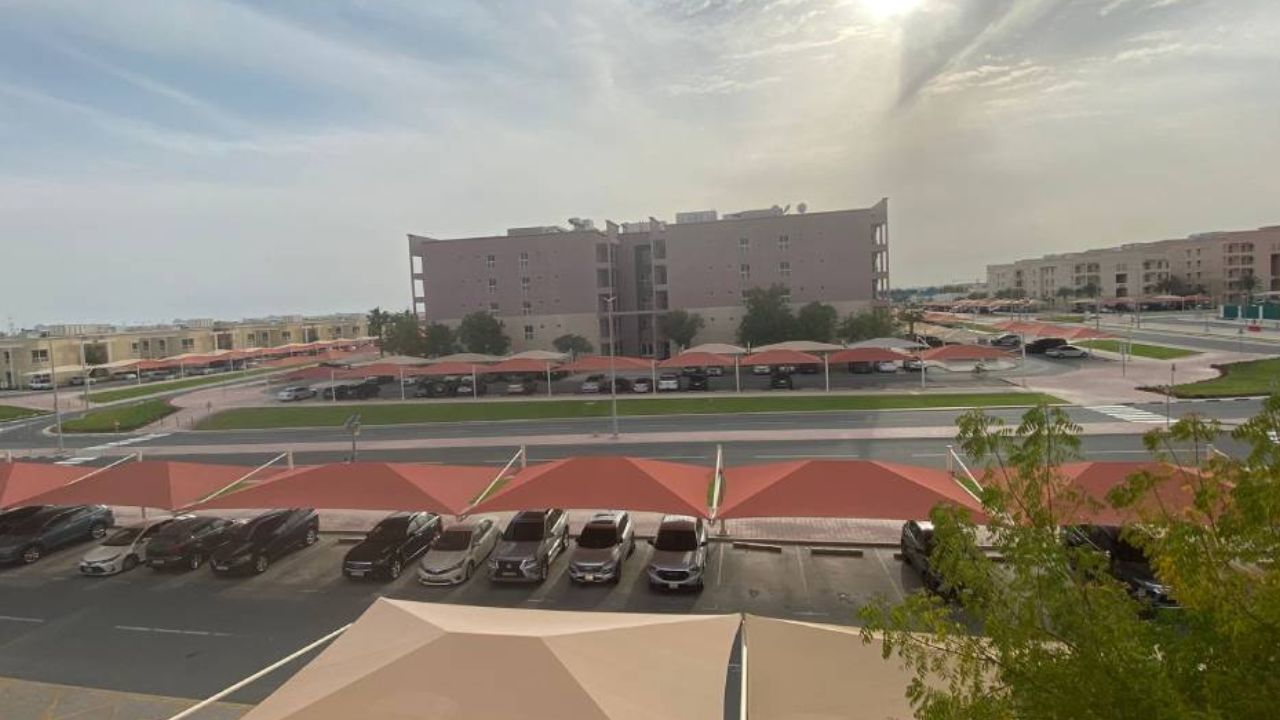
Sirens scream several times a day. Each wail pierces the air and my heart alike. The alert isn’t just noise—it’s a command: run, find shelter, survive. Qatar’s air defenses detect incoming missiles and immediately sound alarms, sending messages to our phones. But where is the safe place? There is none.
A missile strike can destroy a neighborhood; an intercepted missile showers shrapnel that can still kill. Even the “best case” is terrifying.




Just two days ago, shrapnel tore through a neighbor’s car. Two more vehicles nearby were reduced to ashes within moments. Who is safe? What place is truly secure?
The first week of the conflict, I couldn’t sleep. I could barely eat. Even walking to the bathroom felt like stepping into danger. I imagined the missile falling the instant I left my room—or the debris from one intercepted overhead.
Few understand the tremors these interceptions cause. Buildings shake. Windows rattle. It feels like a four- or five-magnitude earthquake, right inside your home. Every sound—small, ordinary, innocent—sets the heart racing. Every spark in the sky keeps you awake.
Ramadan has passed in a haze of fear. Every day has been a battle with dread. Eid is this Friday. Normally, this would be a time of joy. This year, the government has prohibited open-air prayers.
The rituals must be done in fifteen minutes. The instructions are meant to keep us safe, but instead, they remind us of mortality, of how fragile life feels under the shadow of missiles.
We are ready at any moment to evacuate. Every heartbeat counts. Every second feels like a gamble.
I write these words exhausted, eyes heavy, mind frayed. Even as I type, fighter jets slice through the sky above me. I hear them clearly, their roar filling every corner of my thoughts. I do not know when, or if, normal life will return.
All I can do is pray—for safety, for peace, and that the world will never again see another Gaza.
That no one else will know the fear of living under sirens, where every day is spent counting seconds and every night is measured by the tremors of the sky.