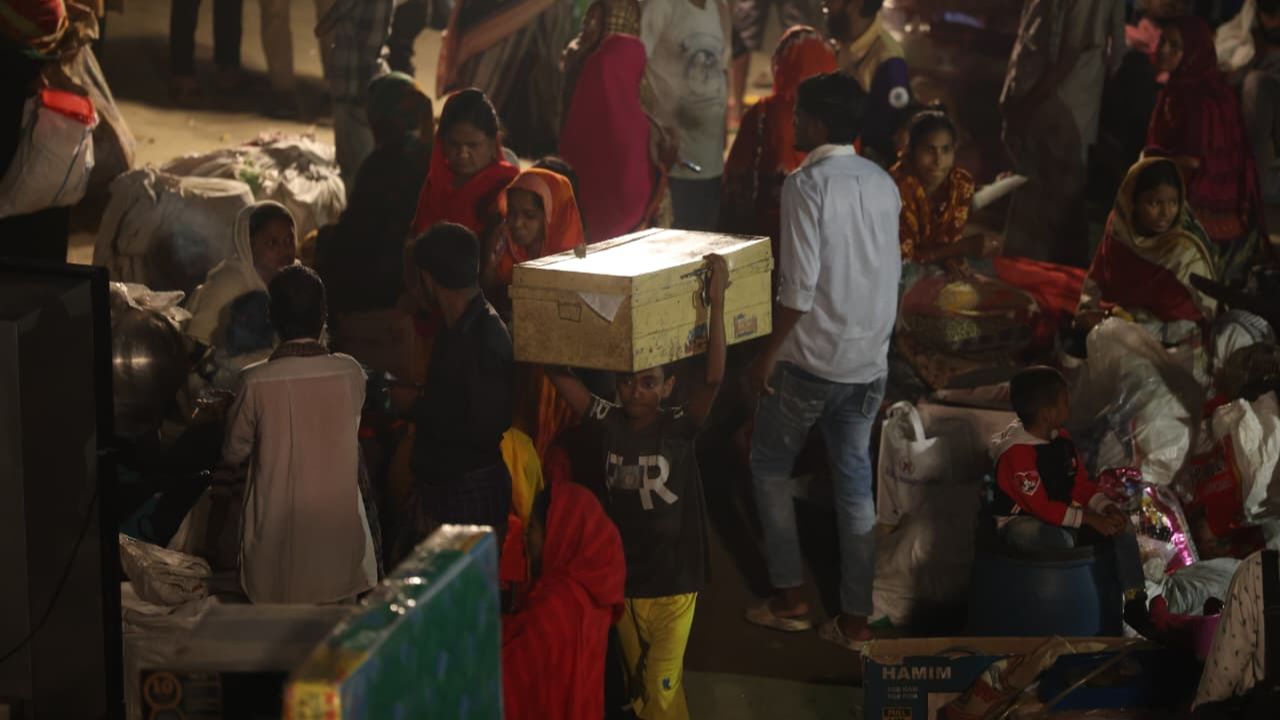



A devastating fire swept through Korail slum in Dhaka on Tuesday, burning down an estimated 1,500 shanties, according to the Fire Service and Civil Defence.
Shortly after firefighters brought the blaze under control, Fire Service Director (Operation and Maintenance) Lt Col Mohammad Tajul Islam Chowdhury said the fire raged for more than five hours before 20 fire service units finally contained it.
He told reporters there were no reports of casualties so far from either the Fire Service or the police.
However, the fire was fully extinguished around 9:30am on Wednesday.

Tajul said initial assessments suggested around 1,500 structures were destroyed, based on accounts from residents and on-site observations, though the exact number will be confirmed after an investigation.
The fire broke out at 5:22pm. Three units from nearby fire stations reached the spot after around 35 minutes, a delay he attributed to severe traffic congestion during the evening rush.


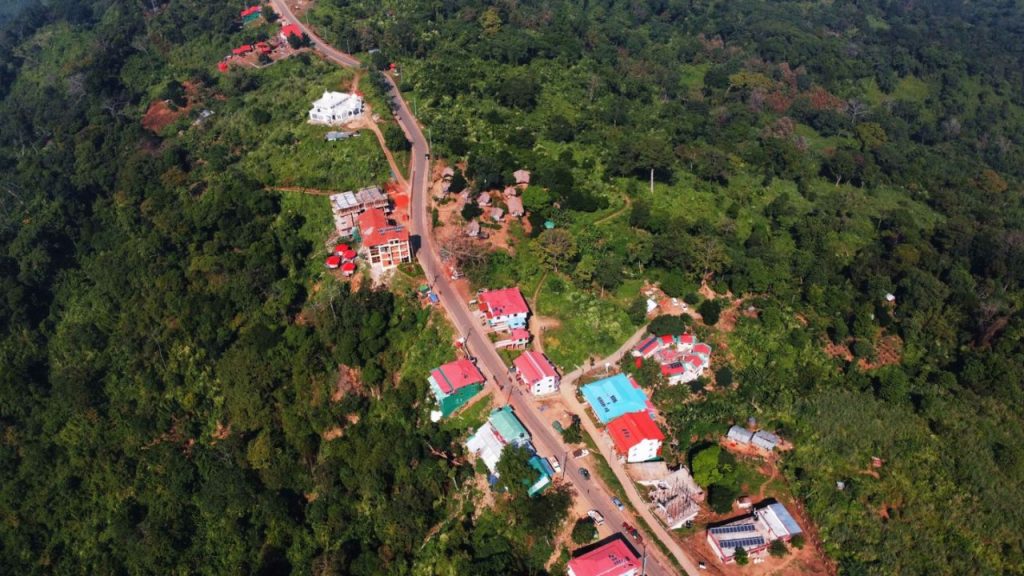

Even after the units arrived, the fire engines could not enter the slum due to narrow lanes, forcing firefighters to drag hoses deep into the settlement.
By the time responders reached the source, the flames had already intensified.

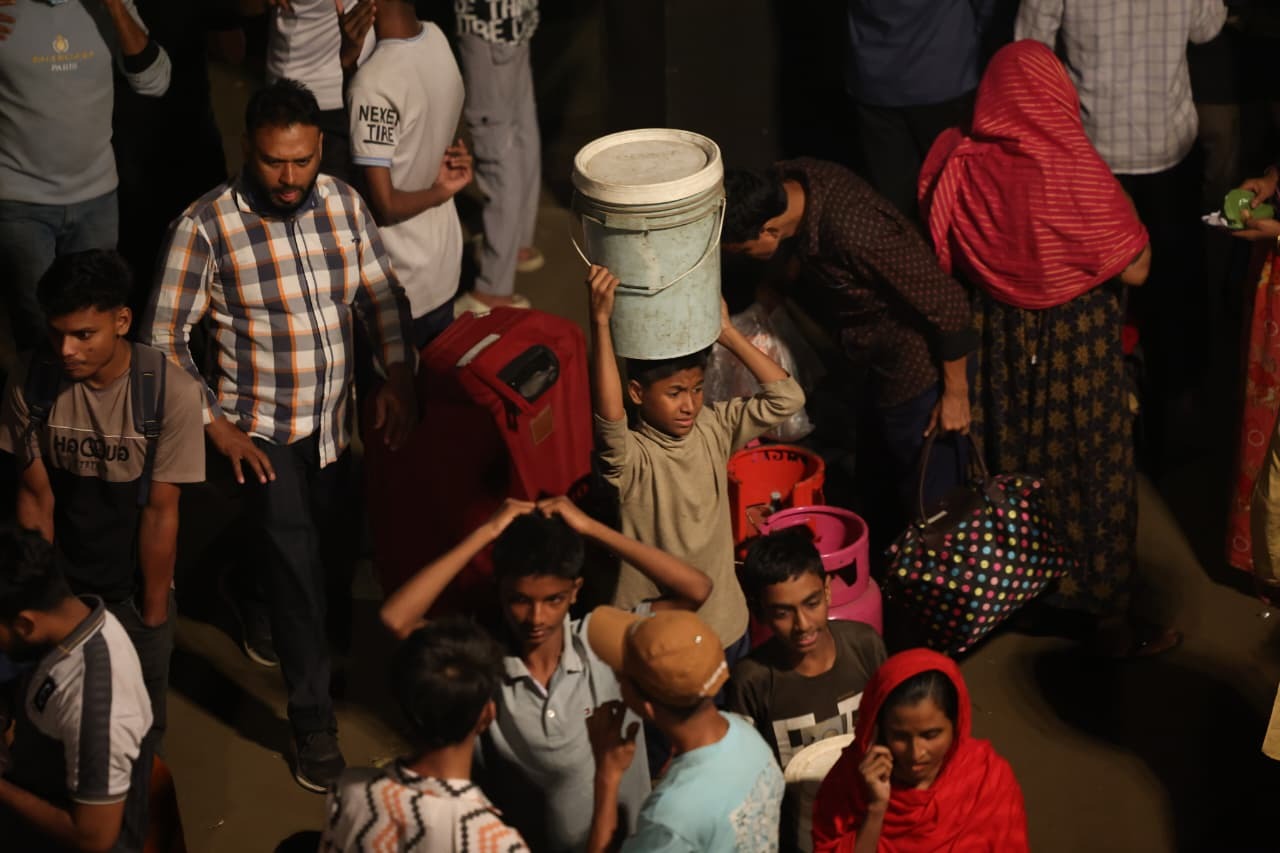
He said firefighters worked tirelessly to contain the spread despite multiple limitations. Investigators will determine the exact cause of the fire but tangled electrical wires and gas cylinders in almost every home contributed to the intensity, he added.
Responding to questions about frequent fires in Korail, Tajul said they conduct annual drills in the area to identify weak points and prepare appropriate response methods.
A drill was held just days earlier, which he believes helped in bringing the fire under control more quickly. Without that preparedness, he said, it might have taken two to three hours longer.
Regarding water supply, Tajul said the response teams had adequate support, using Fire Service water tenders, WASA supply, and even nearby drains. As winter approaches, he warned that the next two months are typically the “fire season”, with incidents occurring more frequently.