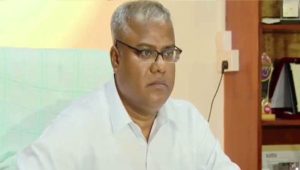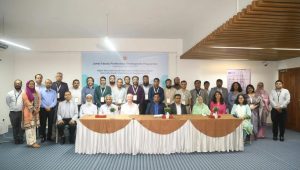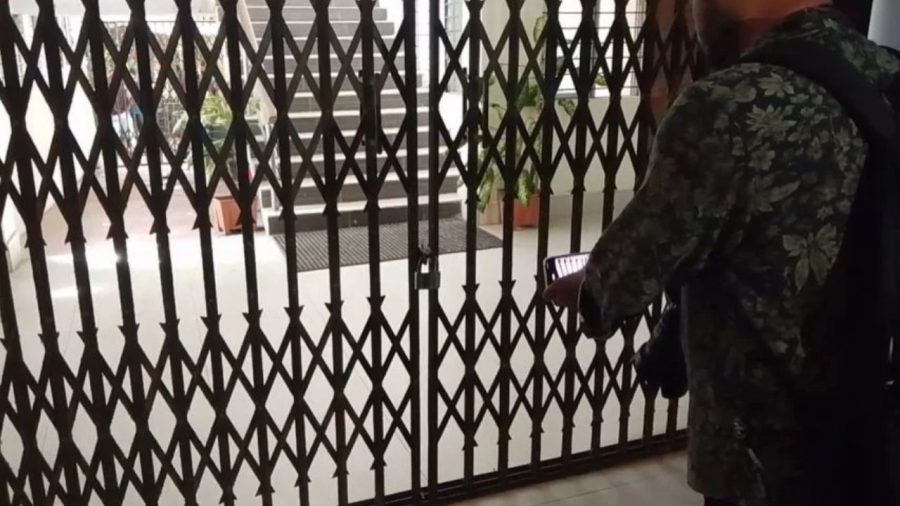



Just six nominated members of the 15-member Chittagong University of Engineering and Technology (Cuet) syndicate have voted to restart classes, consult local leaders, and requested the education ministry to form a high-level inquiry committee to break the campus deadlock.
In a sign of deepening divisions at Cuet, no teacher representative from the institution, apart from the newly appointed vice-chancellor, attended an emergency syndicate meeting convened on Friday evening to resolve a month-long academic deadlock.
Only six of the syndicate’s 15 effective members joined the online session convened at 6pm on 16 October by Vice-Chancellor Sheikh Shariful Alam reflecting the resistance to his leadership, as protests and boycotts continue to paralyse the campus.
Despite the low turnout, the syndicate agreed on three key measures intended to break the impasse: appealing for an immediate return to the classroom, proposing talks with local public figures and campus stakeholders, and recommending that the Ministry of Education establish an independent, high-powered inquiry panel.
The attendance details were confirmed by syndicate member Professor Mohammad Zahidur Rahman of Jahangirnagar University’s Department of Computer Science and Engineering.

The meeting took place against a backdrop of mounting concern over the severe disruption to students’ education, with all classes and examinations suspended since protests erupted on 22 September.
Addressing its primary concern, the syndicate voiced alarm over the prolonged suspension of academic activities and the looming threat of session jams, warning that continued disruption could inflict lasting damage on students’ futures.
It urged all factions, including students, academic staff, and university personnel, to adopt a responsible and constructive approach to restore normal operations swiftly.
In its second resolution, the syndicate agreed to initiate formal dialogue involving local public representatives and key university stakeholders to restore stability and rebuild trust across the campus community.

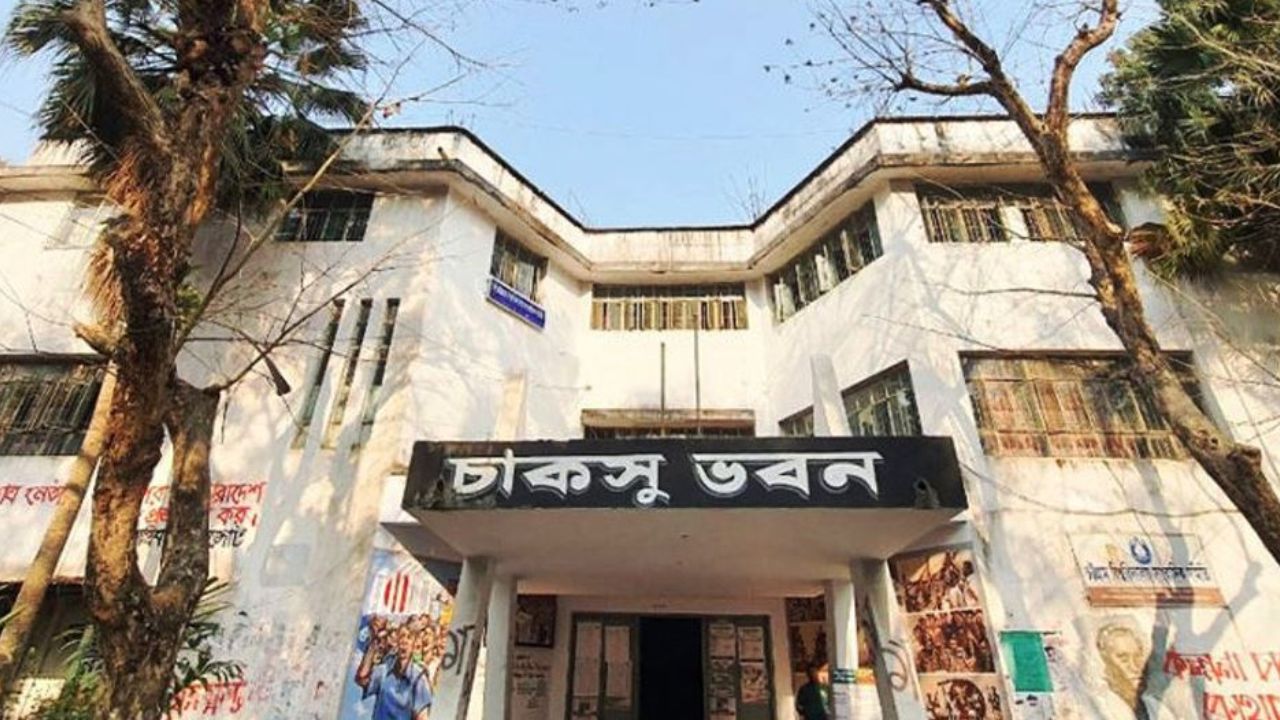


Under the plan, the administration will arrange round-table discussions bringing together student leaders, faculty members, university staff, and local civic leaders to examine all grievances and identify a viable path out of the crisis.
Thirdly, the syndicate resolved to advise the Ministry of Education to form an independent, high-powered investigation or advisory committee.
This proposed panel would be tasked with reviewing the demands of all aggrieved parties, formulating an acceptable long-term resolution, and recommending measures to ensure future campus stability and uninterrupted academic governance.
While the Cuet syndicate officially comprises 17 seats, the posts of pro-vice-chancellor and Registrar are currently vacant, reducing the active membership to 15.
Alongside Vice-Chancellor Sheikh Shariful Alam, the five other attendees were external members: Chattogram Divisional Commissioner Mohammad Ziauddin; Md Mahbubul Haque Patwary, Additional Secretary (University) at the Ministry of Education; Professor Abdullah Al Mamun Chowdhury, Chairman of the Chattogram Board of Intermediate and Secondary Education; Professor Mohammad Zahidur Rahman of Jahangirnagar University; and engineer Khan Ataur Rahman.
Professor Zahidur confirmed that every Cuet representative on the panel had boycotted the session. “Except for the vice-chancellor, no other teacher member from the university attended,” he told reporters, declining to comment further on the proceedings and referring enquiries to the vice-chancellor.
Adding to the administrative confusion, Professor Sheikh Mohammad Humayun Kabir, who is acting as registrar and member-secretary to the syndicate, said that he had already resigned from his administrative role and was no longer serving as member-secretary.
Repeated attempts to reach Vice-Chancellor Sheikh Shariful Alam on his mobile phone for comment were unsuccessful.
The current turmoil began on 21 September, when the government removed former Vice-Chancellor Professor Abu Sadat Muhammad Sayem and appointed Professor Sheikh Shariful Alam in his place.
Outraged by the sudden leadership change, students launched a complete shutdown of the university on 22 September, demanding Professor Sayem’s reinstatement and the revocation of Professor Alam’s appointment. A significant section of teachers and administrative staff subsequently joined the non-cooperation movement, bringing academic life to a standstill.
Tensions reached boiling point on 12 October when protesting students blockaded the new vice-chancellor inside his office building shortly after his arrival on campus. He remained confined for nearly 30 hours before district officials and police intervened to escort him out on 13 October.
Following his extraction, Professor Alam was admitted to Chittagong Medical College Hospital for medical treatment. Upon his discharge, he moved to the Chattogram Circuit House on 15 October, from where he convened Friday’s online meeting.