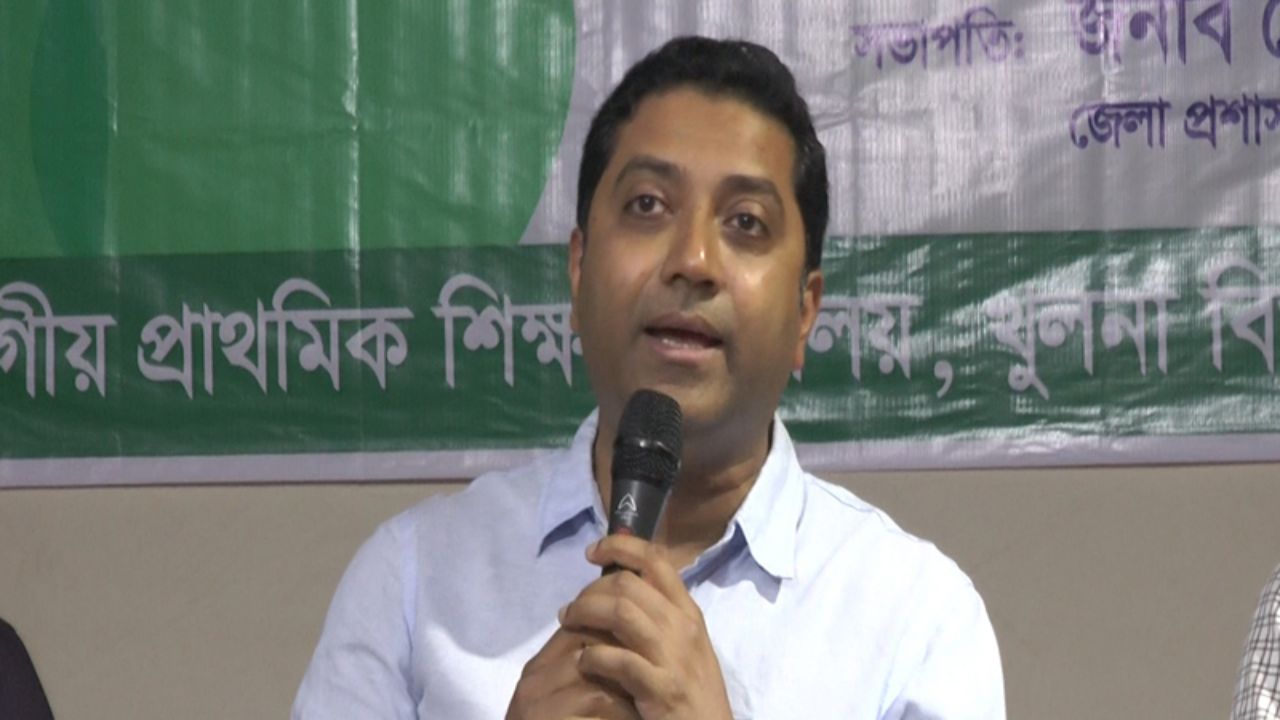
A recent Al Jazeera interview with Jamaat-e-Islami Ameer Shafiqur Rahman has reignited debate in Bangladesh’s political arena over his controversial views on women’s leadership and the application of Islamic law.
The remarks come at a time when Jamaat, in the post-July uprising political landscape, has been seeking to project itself as a modern and inclusive party. However, the Jamaat chief’s comments have brought the party’s long-standing conservative worldview back into focus.
His views expressed in the interview have raised fresh questions about how closely Jamaat’s positions align with 21st-century democratic values.
The debate is most pronounced over the issue of female leadership. Bangladesh has a long history of women in top political roles, yet when asked whether a woman could ever hold Jamaat’s highest post, Shafiqur Rahman responded unequivocally that it is “not possible”.
He argued that God had created men and women with distinct attributes that could not be altered. Women’s physical limitations could hinder their ability to fulfil leadership responsibilities, he said.

Referring to childbirth and motherhood, he questioned how women could continue to perform leadership roles, effectively placing women’s capacity itself under scrutiny.
When reminded during the interview that Bangladesh has been governed by female prime ministers for more than three decades, his response drew further attention.
Jamaat has previously been part of a coalition government led by BNP Chairperson Khaleda Zia and held cabinet positions.



Addressing that period, Shafiqur said accepting Khaleda Zia as prime minister had been a decision taken by BNP, distancing his party from responsibility for endorsing female leadership at the highest level. He argued that Jamaat does not seek to impose its views on other political parties.
However, his remarks have raised questions about ideological consistency, as it appears contradictory for Jamaat to describe female leadership as “impossible” and “against the natural order” within its own ranks while participating in politics under the leadership of a woman.
The Jamaat ameer’s response to examples of women leaders in developed countries also drew criticism for its dismissive tone. In the interview, he countered a question by asking how many developed countries had produced female leaders, asserting that most countries do not view women’s leadership as appropriate.
The claim is factually inaccurate and overlooks the records of women heads of government in countries such as Germany, New Zealand and the United Kingdom. In an era where leadership is widely judged on competence rather than gender, such reasoning reflects a narrow interpretation of political capability.
Jamaat’s reluctance to advance women’s political empowerment was also evident in its approach to candidate nominations. When asked why the party had not nominated a single female candidate for the upcoming election, Shafiqur Rahman offered no detailed explanation, saying only that the party was “preparing” for such a step. The remarks raised questions about how a party active in politics for decades has yet to identify even one woman candidate.
Shafiqur Rahman described the issue as rooted in Bangladesh’s cultural context. He claimed that other parties also field relatively few female candidates. However, election data show that women from major parties contested general seats and won. This apparent contradiction suggests that Jamaat’s repeated reference to “preparation” risks becoming a means of sidestepping, rather than advancing, women’s political rights.
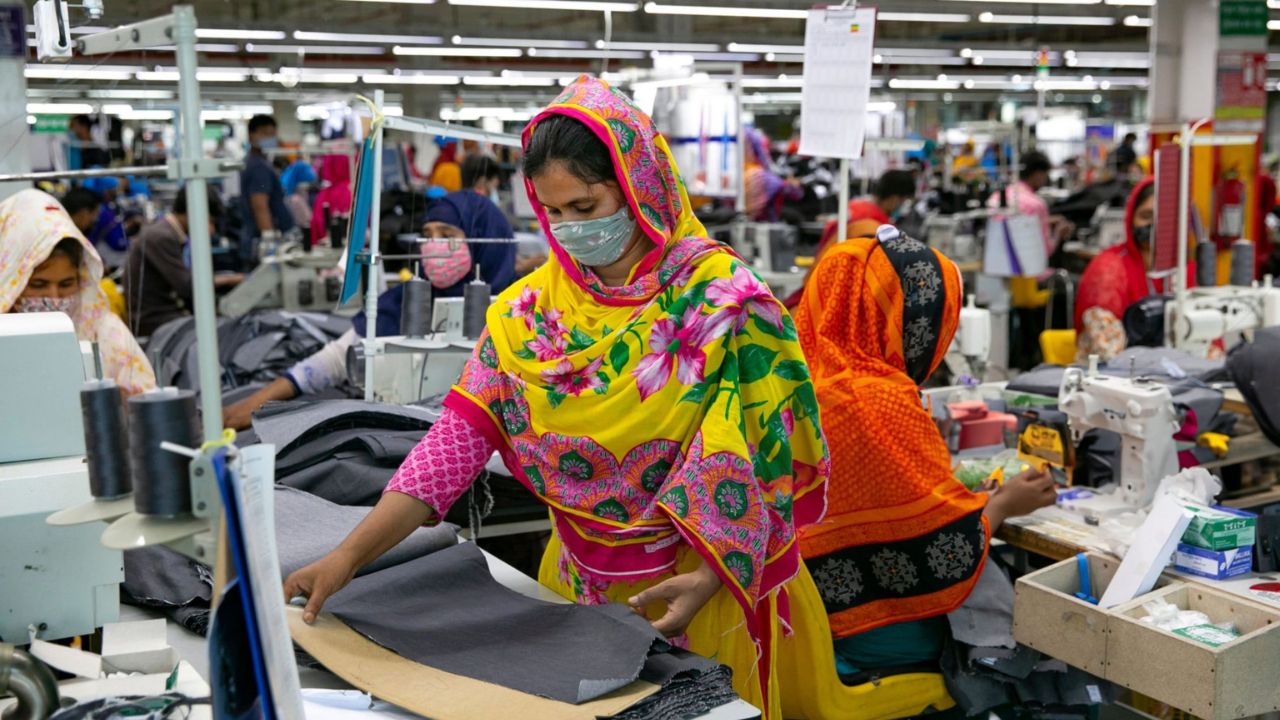
Another contentious element of the Jamaat ameer’s interview was his proposal to reduce working hours for women. He argued that it was not “just” to expect women to work the same hours as men while raising children. He said women should be shown special consideration during breastfeeding periods.
While the argument may appear humane on the surface, it has far-reaching economic consequences. If such a proposal were implemented, employers could become reluctant to hire women, increasing the risk of economic dependency and reducing female participation in the workforce.
Shafiqur Rahman said he had visited several factories where, he claimed, women welcomed shorter working hours. Labour rights activists, however, argue that such measures could amount to an indirect attempt to push women back into domestic roles.
The Jamaat ameer’s position on the introduction of Islamic law, or Sharia governance, was also marked by ambiguity. When his party’s naib-e-amir told a public rally that there would be no place for man-made laws in parliament, Shafiqur Rahman did not directly disown the statement. Instead, he said that only the ameer’s position represented the party’s final stance.
He added that if it were deemed necessary for the country’s welfare, parliament would decide on the matter. This formulation effectively shifts responsibility to the electorate while leaving the party’s long-term intentions unclear. His remarks suggest Jamaat would be prepared to accept the introduction of Sharia law should parliament ever endorse it.
Taken together, the interview underscores Jamaat’s continued adherence to long-standing conservative positions. While the party frequently speaks of democracy and human rights, its views on women’s roles and legal governance reflect a more restrictive outlook.