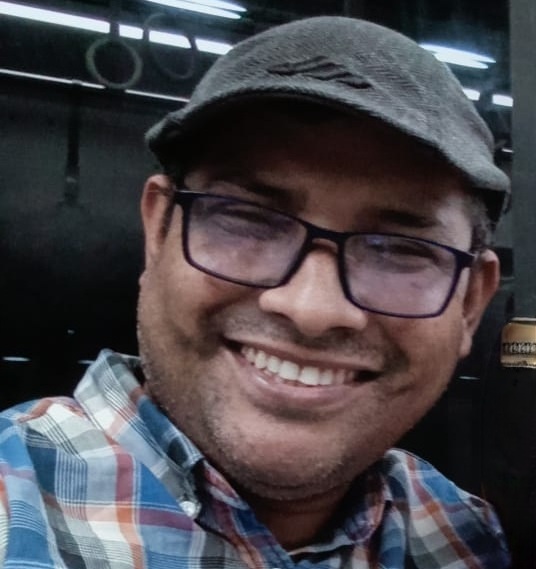


For Jamaat-e-Islami, reform has long been a battle fought from within.
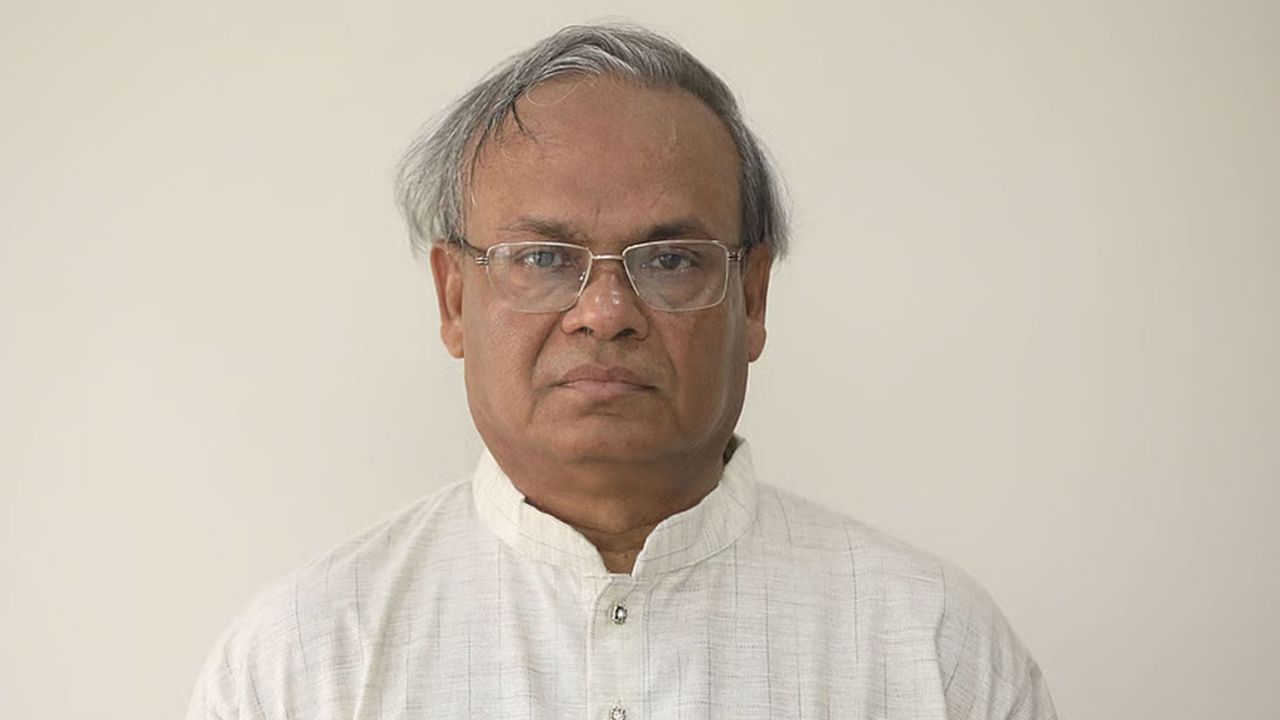
While the party is now among the strongest voices demanding sweeping state reforms, the memoir of its former leader Abdur Razzaq portrays a decades-long struggle to bring change inside Jamaat itself – a struggle he says ultimately failed.
In his book “Bangladesh Jamaat-e-Islami: Its History and Politics”, published by University Press Limited, Razzaq wrote that after three decades of trying to persuade the party to embrace reforms, he found that “reform in Jamaat is a forbidden area.”
Razzaq, once a key figure in Jamaat’s legal and international affairs, eventually left the party in 2019 after failing to convince its leadership to accept changes, including an unconditional apology for its role during the Liberation War.
The memoir details repeated attempts to address the party’s position on 1971, modernise its political outlook, increase women’s participation and reshape its organisational structure – initiatives that Razzaq said were repeatedly blocked.
According to him, he was not alone in facing resistance. Senior leaders Mir Quasem Ali and Muhammad Kamaruzzaman, both later executed for crimes against humanity, also faced criticism and humiliation after supporting reform efforts.
The current Jamaat leadership, however, rejects the portrayal of a party resistant to change.
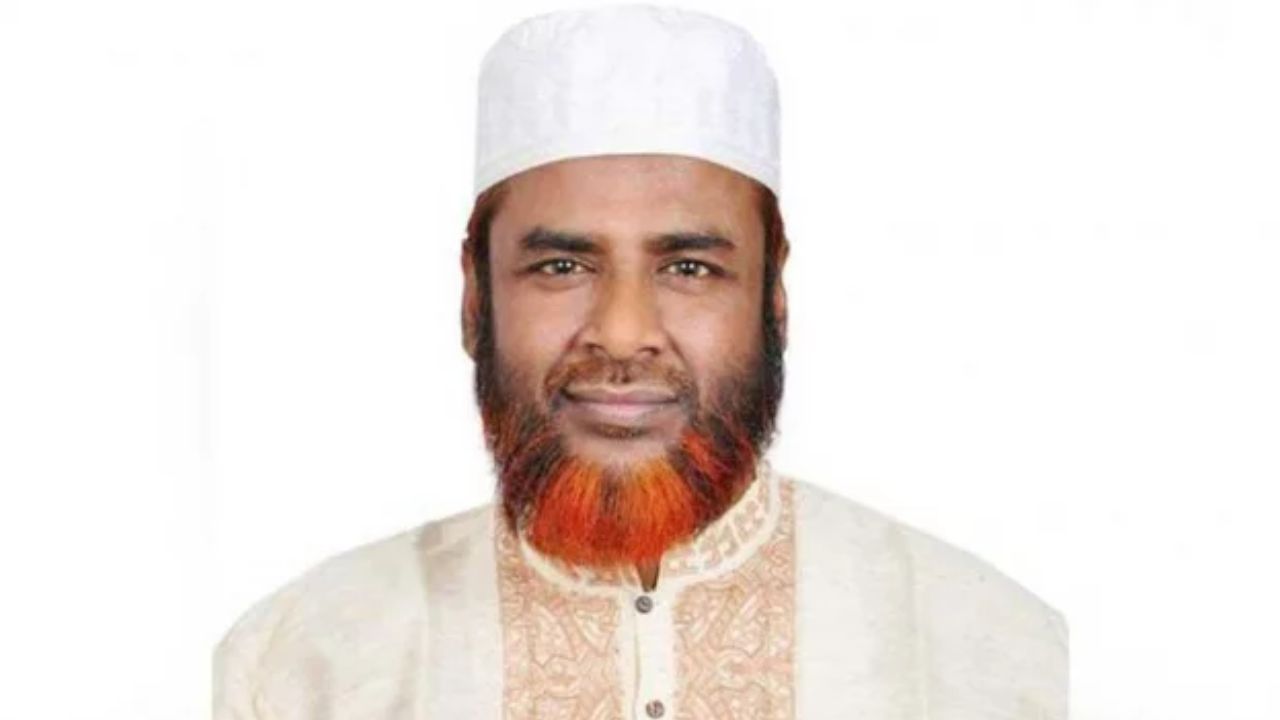
The party’s Assistant Secretary General and Head of Central Publicity and Media Department Ahsanul Mahboob Zubair and Assistant Secretary General Hamidur Rahman Azad said Jamaat’s decisions are taken through democratic discussions.
They argued that a proposal by an individual cannot become a party decision unless it receives wider approval.

Razzaq occupied a unique position in Jamaat’s leadership. A Supreme Court lawyer known for his professional appearance and international contacts, he stood apart from many traditional party figures.
After Ghulam Azam’s citizenship case began in 1992, Razzaq’s influence within Jamaat grew. He later handled international communication and legal matters for the party.
In 2010, he represented several Jamaat leaders accused of crimes against humanity at the International Crimes Tribunal. However, amid growing differences within the party, he left Bangladesh on 17 December 2013 and settled in London.
He returned after the mass uprising on 5 August 2024 and died on 4 May the following year.
The apology that never came
Razzaq wrote that his first major reform effort focused on Jamaat’s role in 1971.
Razzaq wrote that he had realised from the outset that Jamaat needed to clarify its role in the events of 1971 and explain its position.
In 1990, after former Pakistan chief justice Nasim Hasan Shah advised him to resolve Jamaat’s position on 1971 during a legal conference in Beijing, Razzaq returned home and raised the issue with party colleagues. But most leaders rejected the idea.


He later tried to persuade Ghulam Azam to apologise after his citizenship was restored in 1994, but the initiative collapsed at the final stage.
After the BNP-Jamaat alliance came to power in 2001 and Jamaat leaders Motiur Rahman Nizami and Ali Ahsan Mohammad Mujahid became ministers, Razzaq renewed his efforts.
A draft apology was prepared with three Dhaka University professors – Aftab Ahmed, M Mahbubullah and Abdur Rob – and approved at a senior party meeting.
However, Razzaq wrote that Nizami later changed his position following advice from an unnamed senior figure. The proposal was eventually sent to the working council, which rejected it in October 2005.
A former Jamaat lawmaker reportedly said at the meeting, “If we apologise, Pakistan will become unhappy with us.”
After the executions of several senior Jamaat leaders in 2016, Razzaq prepared another apology draft with British lawyer Toby Cadman’s assistance. He sent a letter to newly elected Ameer Maqbul Ahmad on 21 November that year but received no response.
“Each time an attempt was made to issue an apology, certain powerful figures withing the Jamaat establishment would intervene and hold the party back,” Razzaq wrote.
Failed attempts to modernise
Razzaq said his reform agenda went beyond 1971.
After becoming assistant secretary general in 2003, he wanted to modernise Jamaat’s programmes and increase women’s participation.
At a 1994 workshop, he proposed giving women full membership in the Shura and allowing women wearing hijab but not niqab to become Rukon members.
He also suggested bringing civil society figures and professionals into Jamaat, but those efforts did not materialise.
At a London seminar in 2007, Razzaq criticised what he described as Jamaat’s intellectual stagnation and questioned why men without beards or wearing Western clothes could become Rukon members while women wearing hijab but not niqab could not.
Following the remarks, he said he was gradually removed from the party’s decision-making process.
Razzaq also pointed to reform ideas from other senior figures.
Muhammad Kamaruzzaman wrote a 36-page letter from prison in 2010 suggesting that Jamaat be dissolved and a new party formed. The proposal was dismissed, and he was labelled a “reformist”, according to Razzaq.
Mir Quasem Ali organised a closed-door workshop in 2009 where a proposal was discussed to transform Jamaat into a dawah organisation and create a moderate right-wing political party. Razzaq wrote that the initiative drew strong criticism from the leadership.
Educated Jamaat supporters based in London also submitted proposals for modernisation in 2002, 2007 and 2010, but none succeeded.
In 2019, facing speculation of a possible ban through the International Crimes Tribunal, Jamaat’s executive council discussed resolving the 1971 issue, dissolving the party and forming a new organisation.
Razzaq prepared both an apology draft and a proposal for dissolution. While most Shura members supported dissolution, only one-third backed an apology.
After the Awami League government did not place a proposed ban bill before the Cabinet, Jamaat reversed its position and decided against both an apology and dissolution.
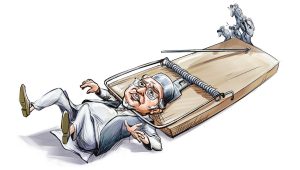
Razzaq wrote that Jamaat’s leadership had shown it would not undertake internal reforms on its own without intense external pressure.
Jamaat leaders reject that assessment.
“Not at all. Since our establishment, we have carried out various political reforms,” Ahsanul Mahboob Zubair said.
Asked about major reforms over the past one or two decades, he did not cite specific examples but said Jamaat had continued discussions on fundamental issues since 1971.
Hamidur Rahman Azad said internal criticism and long-term planning within the party were themselves forms of reform.
Asked about Razzaq’s examples of resistance to change, Azad said, “An individual’s personal opinion will not become the party’s decision.”