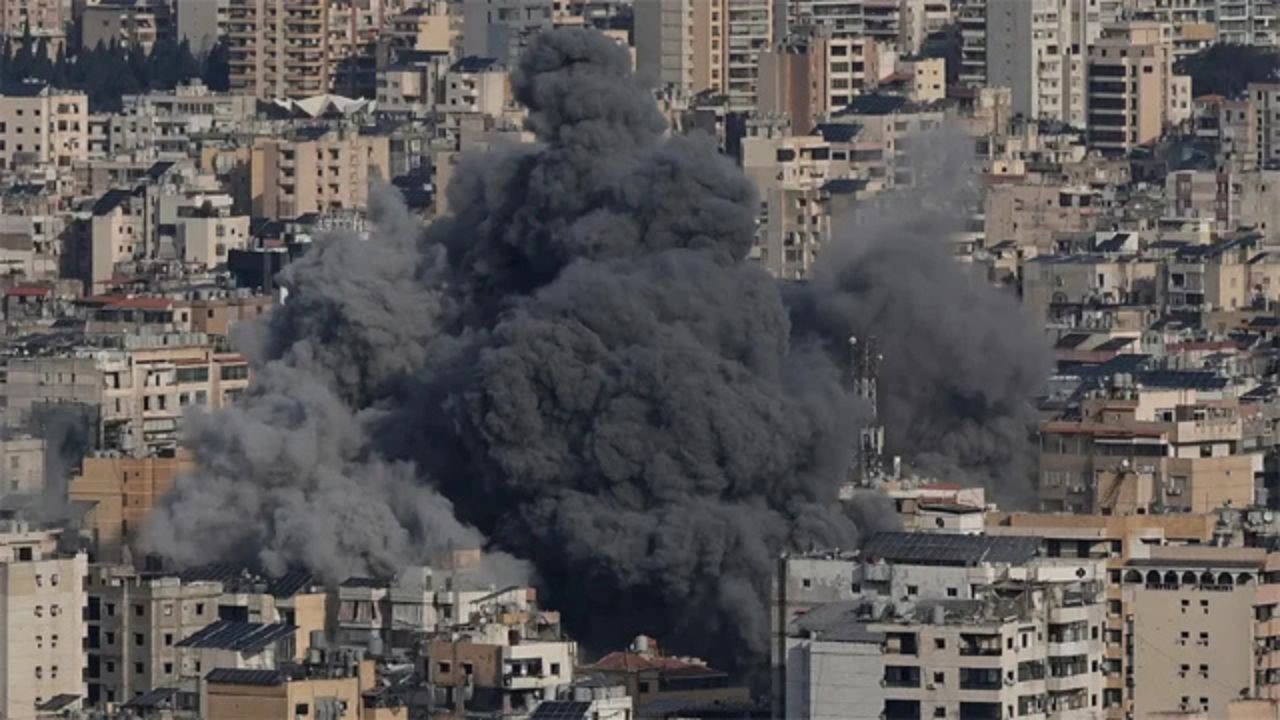



The widening war in the Middle East entered its seventh day on Friday as Israel launched fresh air strikes on Beirut’s southern suburbs and announced a “next phase” in the conflict.
The Israeli military earlier issued an unprecedented evacuation warning for the entire area, urging residents to “save your lives and evacuate your residences immediately”.
The warning triggered panic as people fled the suburbs, causing heavy traffic congestion while some fired guns in the air to urge others to leave quickly, reports AFP.
Lebanon became directly involved in the conflict on Monday after Hezbollah launched attacks on Israel to avenge the killing of Iran’s late supreme leader Ali Khamenei. Israel responded with air strikes and later sent ground troops into several Lebanese border villages. On Thursday, Israeli forces targeted Hezbollah infrastructure in Beirut’s southern suburbs.

Lebanese authorities said at least 123 people have been killed since Monday, with 683 injured and around 90,000 displaced. Hundreds of families gathered on a Beirut beach after fleeing their homes, unsure where to go. One displaced resident told AFP that they had fled the suburbs feeling “humiliated”.
The conflict has spread beyond the immediate region. In a dramatic development near the Sri Lankan coast, a United States submarine torpedoed an Iranian warship. Azerbaijan also warned that a drone strike on an airport would “not go unanswered”, raising fears that the war could draw in additional countries. Iran denied responsibility for the attack and accused Israel of carrying it out, but Azerbaijani President Ilham Aliyev accused Tehran of “terrorism”.

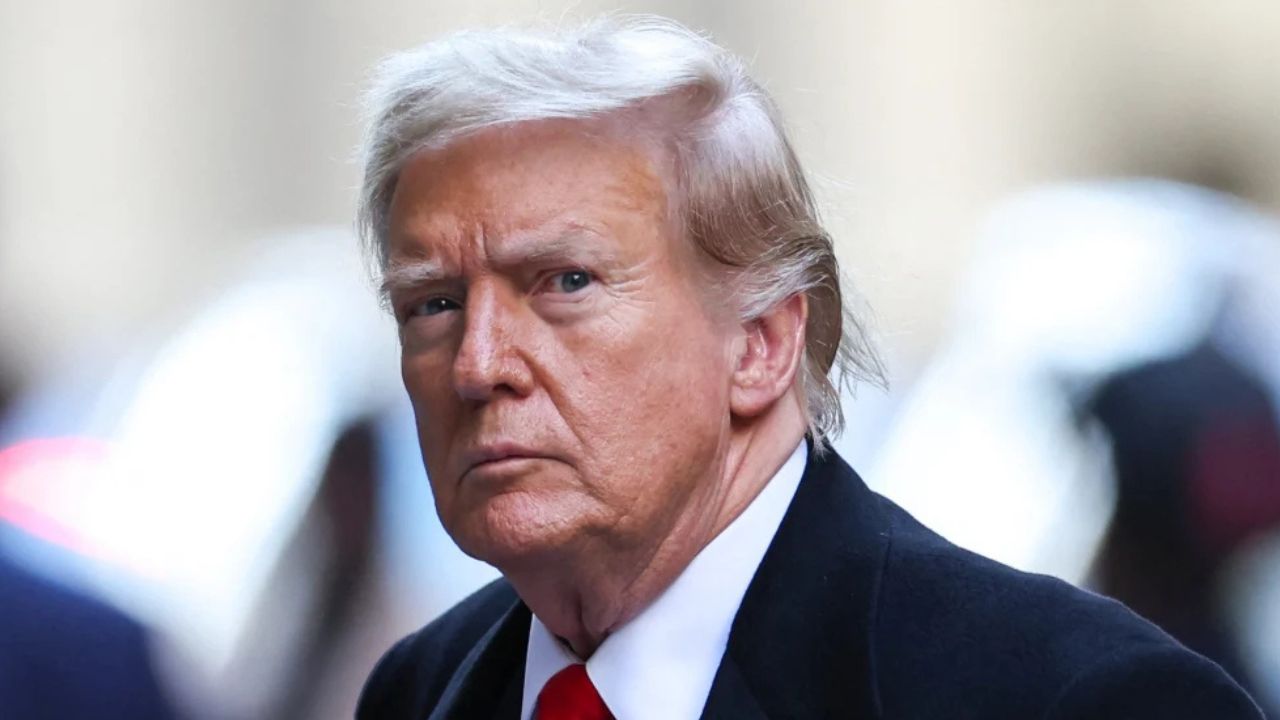


The war has also triggered political tensions. United States President Donald Trump rejected the possibility of Mojtaba Khamenei, the son of the late Iranian leader, replacing his father. In an interview with Axios, Trump described him as a “lightweight” and said he wanted a leader who could bring “harmony and peace to Iran”. He warned that further conflict could follow if a suitable alternative did not emerge.
Fresh strikes also hit Iran’s capital Tehran, where AFPTV footage showed damaged buildings and burnt vehicles with smoke still rising from some areas. An Iranian state-run foundation said the death toll from US and Israeli strikes had reached 1,230, though AFP said it could not independently verify the figure. The US military has confirmed that six American personnel have died since the war began last Saturday.
Iranian Foreign Minister Abbas Araghchi said Tehran had not sought a ceasefire and saw no reason to negotiate with the United States. Speaking to NBC News, he warned that any ground invasion would lead to a “big disaster” for the attackers. Meanwhile, Israel said it had destroyed 60 percent of Iran’s missile launchers and 80 percent of its air defence systems. Israeli army chief Eyal Zamir said the military had “additional surprises ahead” as part of the next phase of operations.
Iranian missile attacks continued in response, triggering explosions across Tel Aviv. Firefighters battled a blaze at a residential building near Israel’s commercial hub on Friday after the latest barrage.
The conflict has also struck Gulf countries, often viewed as relatively stable in the volatile region. Thirteen people, including seven civilians, have been killed across Gulf states since the war began. The victims include an 11-year-old girl in Kuwait.
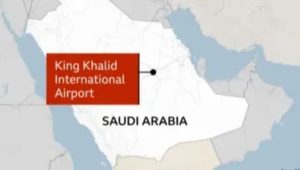
Bahrain said Iran targeted two hotels and a residential building in the capital Manama early Friday but reported no casualties. Saudi Arabia said it intercepted three ballistic missiles aimed at an air base.
Qatar also said it intercepted a missile attack on Thursday as loud explosions echoed across Doha and thick black smoke rose over the city. In the United Arab Emirates, falling debris from an intercepted drone injured six people in the capital Abu Dhabi, officials said.