The United States and Iran agreed on Wednesday to a two-week ceasefire following 40 days of war, with talks set to begin on Saturday in Islamabad, Pakistan.
But since 28 February , when Israel and the US began bombing Iran, Israel has also, on a near-daily basis, launched attacks on Lebanon, Gaza and the occupied West Bank, reports Al Jazeera.
While much of the world’s attention has been on Iran, here are three main things that you may have missed in Gaza.
Since the declaration of a “ceasefire” in the Gaza Strip six months ago, Israel has violated the agreement thousands of times, with attacks on a nearly daily basis.
Over the past 40 days, Israel has not only continued bombing Gaza, but has also closed the Rafah crossing and withheld life saving food and medical supplies.

According to an analysis by Al Jazeera, Israel has attacked Gaza on 36 out of the past 40 days, meaning there were only four days on which no violent attacks, deaths or injuries were reported in the Strip.
How many people has Israel killed in that time?
Between 28 February and 8 April, Israeli attacks killed at least 107 people in Gaza and injured 342 others.
Since the “ceasefire” in Gaza took effect six months ago, Israeli attacks have killed at least 738 people and injured more than 2,000.


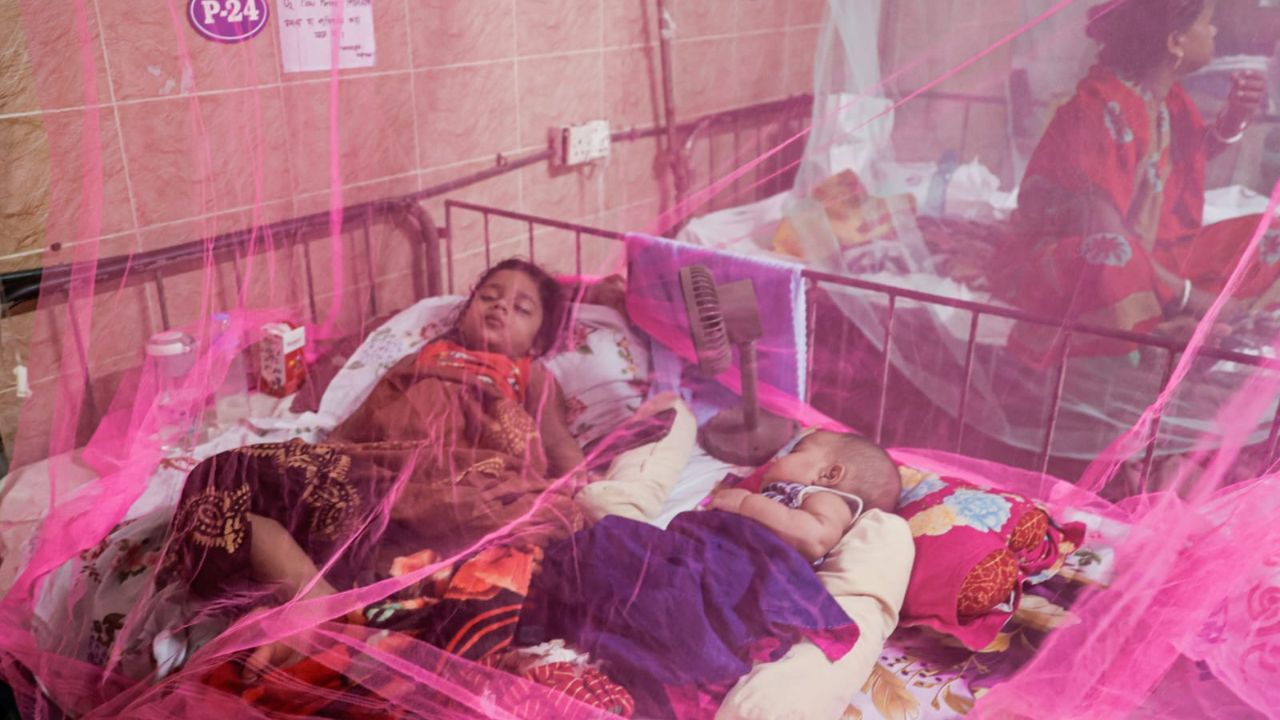

In total, since launching its genocidal war on Gaza, Israel has killed or injured at least 10 per cent of the Strip’s population, killing more than 72,000 people, the majority of them women and children, and injuring at least 172,000 others, with thousands more buried under the rubble and presumed dead.
On Wednesday, as the world awaited the much-anticipated pause in attacks between the US, Israel and Iran, Israel killed another journalist in Gaza – Al Jazeera’s correspondent Mohammed Wiswash, who was killed in a targeted drone strike.
On the same day, Israel launched one of its largest-ever attacks on Lebanon in a single day, launching a wave of strikes that killed at least 254 people and injured 1,165.
Only 8% medically evacuated
On 28 February, the day Israel and the US began strikes on Iran, Israeli authorities closed all crossings into Gaza, halting the transfer of wounded patients abroad and suspending medical evacuations.
Among them was Rafah crossing, Gaza’s sole gateway to the outside world through Egypt, which was supposed to open under the US-brokered 20-point ceasefire plan for the Strip. Based on the agreement, 50 patients per day, plus their companions – typically one or two per patient – were supposed to be allowed out of the enclave for treatment.
More than two years of Israeli attacks have left thousands injured and in need of urgent medical treatment. According to OCHA, more than 18,500 critical patients, including 4,000 children, require medical evacuations.
On 19 March, Israeli authorities announced the resumption of limited medical evacuations through Rafah.
According to the Gaza Media Office, since February 28, 625 out of 7,800 travellers have been permitted to leave Gaza for treatment – about 8 per cent of the agreed number.
20% of trucks allowed to enter Gaza
Israel has continued to limit urgent food and medical supplies, exacerbating severe shortages and deepening a humanitarian crisis.
According to the Integrated Food Security Phase Classification (IPC), a global hunger monitoring system, more than three-quarters, or 77 per cent, of Gaza’s population are facing high levels of acute food insecurity.
Of the 1.6 million people assessed, around 4,75,000 are in Phase 2, classified as food stress, while about 10,27,790 are in Phase 3, or food crisis, and 5,70,980 are in Phase 4, described as a food emergency, with 1,885 people already in Phase 5, the most severe level indicating famine.
Meanwhile, the Gaza Media Office said that since the US-Israel war on Iran began, Israel has allowed only 4,999 of the 23,400 aid trucks stipulated under the ceasefire agreement into the enclave, accounting for just one-fifth of the promised deliveries.