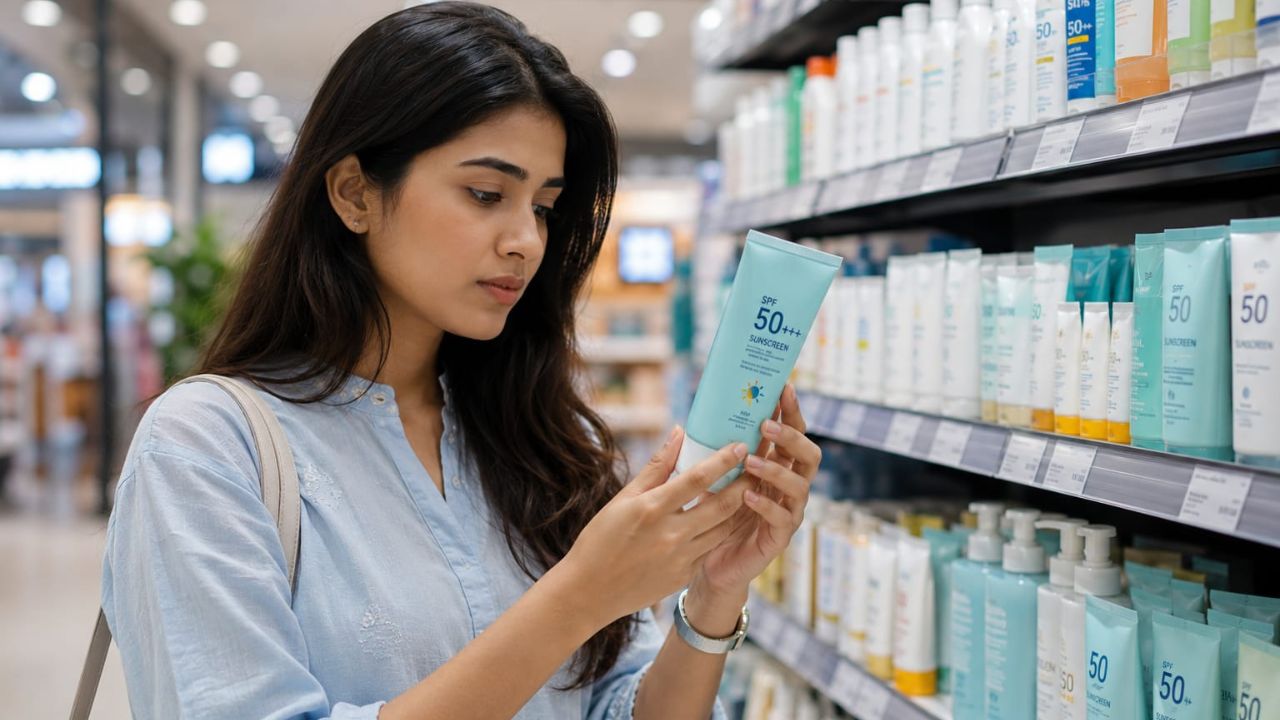

For millions of people, sunscreen is a simple daily habit: apply it before stepping outside and trust the number printed on the bottle. But a controversy in Australia has challenged that assumption, raising a bigger question for consumers everywhere — does a sunscreen actually deliver the protection it promises?
The debate began in mid-2025 after Australian consumer advocacy group Choice tested 20 popular sunscreens and found that 16 failed to provide the sun protection factor (SPF) claimed on their labels. The most widely discussed case involved a product marketed as SPF 50+ that reportedly showed protection closer to SPF 4 in testing.
The brand disputed the findings but later withdrew the product from sale. Australia’s Therapeutic Goods Administration is reviewing why different laboratories have produced widely varying results for the same sunscreen products.
The controversy has implications far beyond Australia. It has challenged a common consumer assumption in markets like Bangladesh that imported skincare products are automatically more reliable than locally produced alternatives.
A global brand name, premium packaging or a high SPF number does not guarantee performance, experts say. What matters is whether a product has been properly tested and whether the protection claimed on the label matches what consumers actually receive.
This question is becoming more relevant in Bangladesh as rising temperatures, longer exposure to sunlight and growing awareness of ultraviolet (UV) damage encourage more people to add sunscreen to their daily routines.
But Bangladesh presents a different challenge from many Western markets. A sunscreen designed for a cooler or drier climate may not always work comfortably in a hot and humid environment.

Many consumers avoid sunscreen because products feel oily, sticky or leave a visible white layer on the skin. A product that performs well in a laboratory but remains unused because it feels uncomfortable offers little real-world protection.
That makes formulation and usability just as important as the SPF number on the bottle.
What do SPF and PA actually mean?
SPF measures protection against ultraviolet B (UVB) rays, which are mainly responsible for sunburn. An SPF 50 sunscreen, when applied correctly, blocks around 98 per cent of UVB rays.
But SPF does not tell the full story.



The PA rating measures protection against ultraviolet A (UVA) rays, which penetrate deeper into the skin and are associated with tanning, pigmentation and premature ageing.
Together, SPF and PA ratings indicate how effectively a sunscreen protects against both immediate and long-term sun damage.
However, the number on the label depends heavily on how the product was tested.
Why sunscreen testing matters
There are two major approaches to measuring sunscreen protection.
In-vivo testing applies sunscreen to human volunteers and measures how much UV exposure is required before the skin shows redness. This method is considered the regulatory benchmark in many markets, including the testing method used in the Australian controversy.
In-vitro testing measures how much UV radiation passes through a layer of sunscreen using laboratory equipment such as a spectrophotometer. It is faster and less expensive than human testing and is widely used by manufacturers, although it remains a laboratory measurement rather than a direct human trial.
Results can vary depending on the laboratory, testing method and conditions — the issue now being examined by Australian regulators.
For consumers, the key question is not only the SPF number but also whether a company can explain how that number was measured, where it was tested and whether the process followed recognised standards.
Local brands turn to verification
The global scrutiny has encouraged some Bangladeshi skincare companies to place greater emphasis on independent testing.
Bangladeshi brand Skin Cafe submitted its Skin Cafe Sunscreen SPF 50 PA+++ with Vitamin C for third-party testing at WAFFEN Research Laboratory Limited, a Dhaka-based laboratory accredited under ISO/IEC 17025:2017 standards.
According to the laboratory report shared by the company, the product recorded an SPF value of 52.51 through UV spectrophotometry, an in-vitro testing method. The test was conducted in July 2024 under report reference ANA-240724002/1.
The company said the result supports its SPF 50 claim but does not mean the product provides unusually higher protection, as readings around the claimed level can vary within normal testing limits.
The move reflects a broader shift in the skincare market: consumers are increasingly asking not just what a product claims, but how those claims are verified.
The Bangladesh challenge: protection that people actually use
For sunscreen brands operating in Bangladesh, the challenge is not only proving laboratory performance but also creating products suited to local conditions.
Heat, humidity and frequent sweating can affect how comfortable a sunscreen feels during everyday use. A formula designed around local weather conditions may have a better chance of becoming part of consumers’ daily routines.
Ultimately, the Australian controversy has changed the conversation around sunscreen. A high SPF number, attractive packaging and an international brand name are no longer enough to convince increasingly informed consumers.
The real measure of protection lies in testing, transparency and whether the product delivers the promised defence when people actually use it.