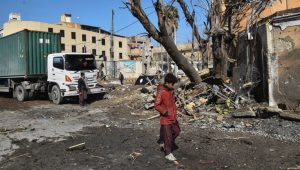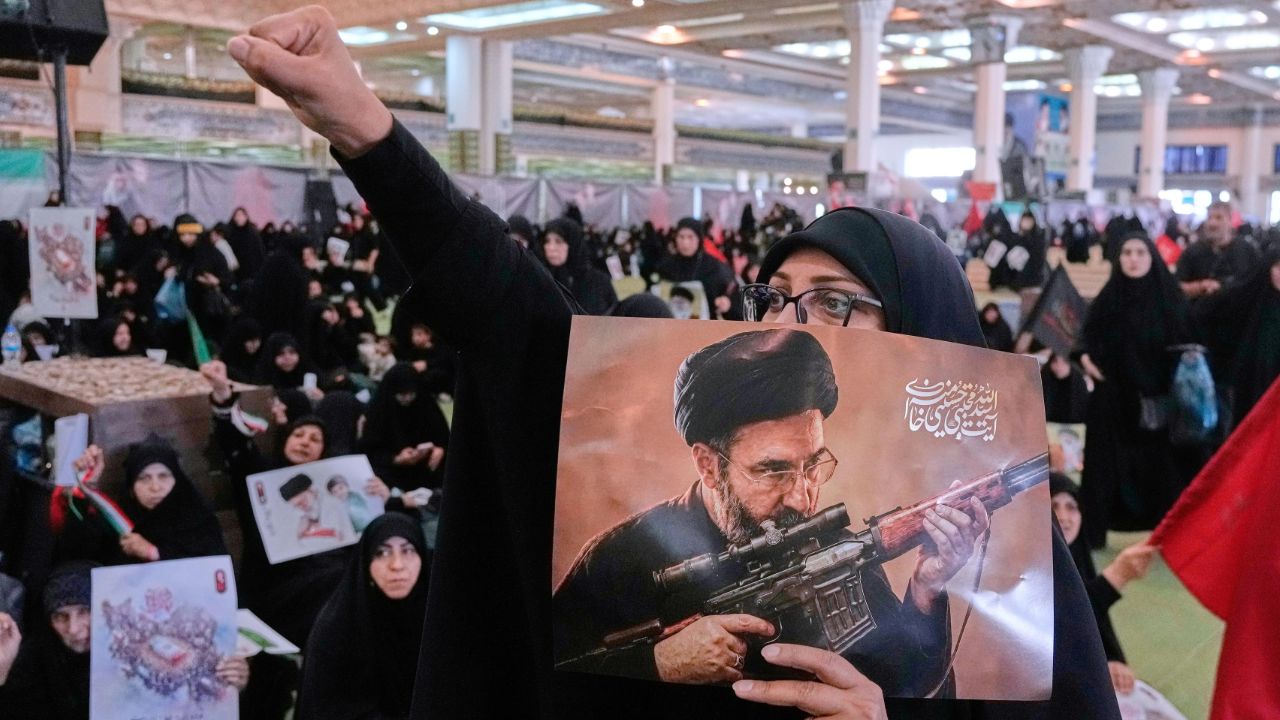



Iran’s ruling establishment has closed ranks over its war strategy this past week, escalating strikes on US bases and allied forces in a shared bid to outlast Washington.
Yet behind that show of solidarity, senior figures are locked in a bitter dispute over how the conflict should ultimately end, according to analysts and officials tracking the rift, according to AP.
Hardline ideologues opposed to any talks with the United States are demanding outright victory, while allies of President Masoud Pezeshkian and parliament speaker Mohammad Bagher Qalibaf favour using military pressure to force a negotiated settlement — a divide that is shaping the struggle for control over the Islamic Republic’s future once the fighting stops.
The uncompromising camp, known as the Paydari movement — Persian for “stability” — is made up of hardcore ideologues determined to preserve the Islamic Republic’s grip over society and reject any accommodation with Washington.
Ranged against them is a bloc backing Pezeshkian and Qalibaf, who also serves as Iran’s chief negotiator; this group regards military pressure chiefly as leverage towards a negotiated deal, driven partly by alarm at the economic damage the war is inflicting and the need to respond to shifting social attitudes at home.

An adviser to Qalibaf, Mahdi Mohammadi, set out that logic on his Telegram channel last Thursday, describing negotiation as “a political tool and a complement to military action to force the enemy to a point of compulsion and extract real concessions.”
Adding to the uncertainty is the position of the new supreme leader, Ayatollah Mojtaba Khamenei, whose stance on the rivalry remains unclear.



He is believed to have been wounded in the strike that killed his father at the war’s outset on 28 February, and has since stayed out of public view, with both factions claiming his backing.
A truce agreed with Washington in April had initially strengthened the hand of Pezeshkian and Qalibaf, winning the backing of 12 of the 13 members of Iran’s Supreme National Security Council, including senior figures from the Revolutionary Guard and the armed forces.
The sole dissenting vote is widely attributed to Saeed Jalili, the most prominent Paydari figure.
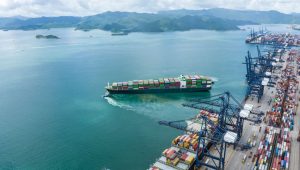
That ceasefire has since broken down, with both sides trading strikes as Iran pushes for greater control over the Strait of Hormuz, a waterway that carried a fifth of the world’s traded oil and gas before the war began.
Tehran’s frustration was compounded when promised financial relief under the deal — including the release of billions of dollars in frozen assets — failed to materialise, allowing the US blockade to resume.
With the ceasefire having delivered no tangible benefit, the leadership is now largely aligned on how to respond, according to Ali Vaez, Iran project director at the International Crisis Group.
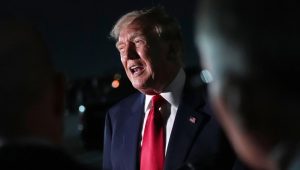
“There’s no serious division” at present, he said, arguing that Iranian officials believe US President Donald Trump “only understands the language of force, and therefore, they would have to gain the upper hand in order to compel him to deliver.”
With the succession to the supreme leadership still unsettled, both factions are positioning themselves for influence once the war ends.
Abtahi, the reformist cleric, said Mojtaba Khamenei’s true views remained unknown, with some expecting him to prove more hardline than his father and others hoping he could usher in moderate change.
Given the powers vested in the office, the supreme leader could act as a “brake” on more extremist factions, Abtahi said — but he warned that confrontation with radical elements could grow more dangerous over time “if that brake isn’t used.”