Iran’s Ministry of Foreign Affairs has accused the United States of presenting “unreasonable” and “one-sided” demands during negotiations to halt the ongoing US-Israel war on Iran, as the two nations maintain a fragile ceasefire.
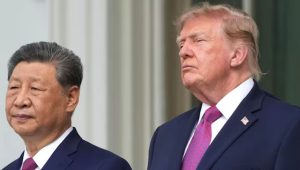
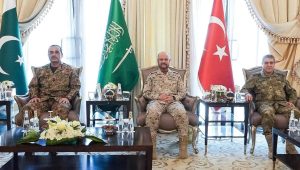
The diplomatic friction intensified after Iran submitted its response to a US-led peace proposal via Pakistan on Sunday. US president Donald Trump swiftly rejected the terms, describing the Iranian response as “totally unacceptable” in a post on his Truth Social platform.
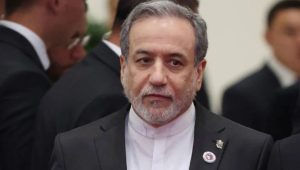
At a press conference on Monday, Iranian Foreign Ministry spokesperson Esmaeil Baghaei defended Tehran’s counter-proposal as “legitimate and generous”. He stated that Iran is seeking a comprehensive end to the war across the Middle East, the lifting of the US blockade on Iranian ports, and the release of national assets “unjustly frozen” in foreign banks due to American pressure.

Baghaei further asserted that Iran’s offer included provisions for safe passage through the Strait of Hormuz and the establishment of security in Lebanon, which he described as a “responsible offer for regional security”.
The impasse has sent shockwaves through global energy markets. In Asian trade on Monday, the price of Brent crude jumped 4.65 per cent to $99.95 a barrel, while West Texas Intermediate surged by over 4 per cent to $105.50, as investors braced for continued supply disruptions.

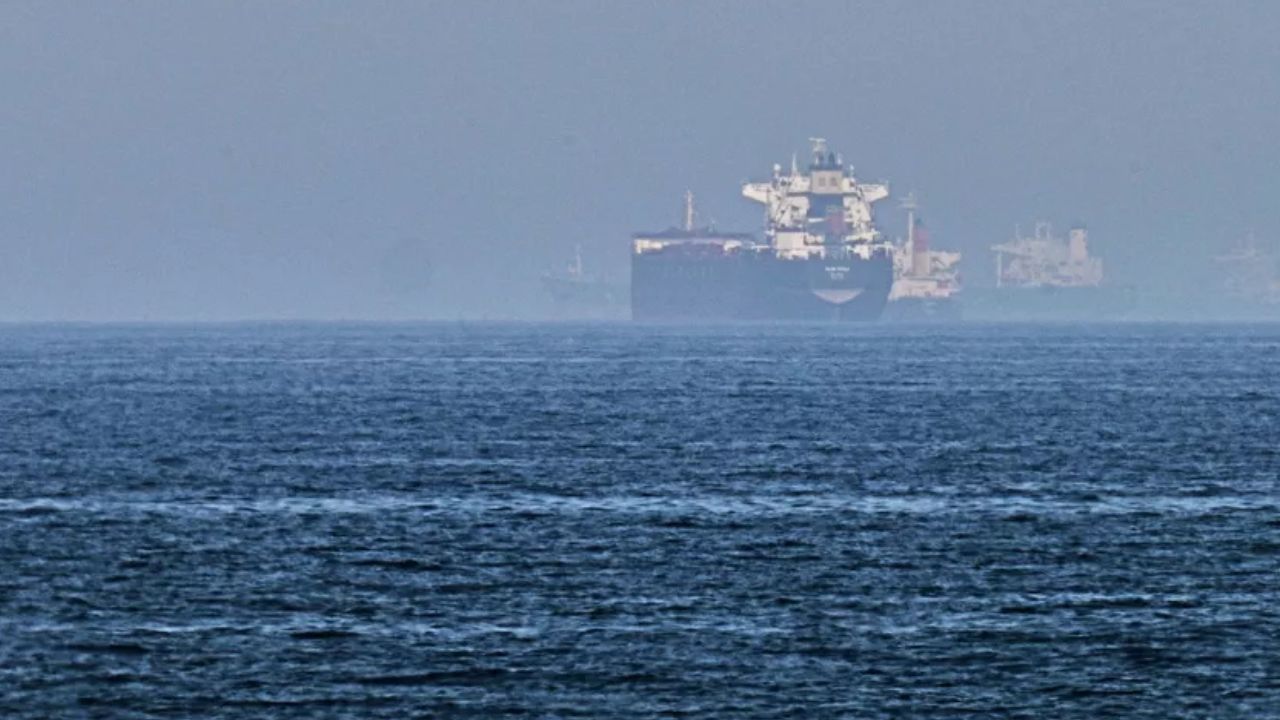
The Strait of Hormuz has been effectively blocked by Iran since March. In response, British Prime Minister Keir Starmer and French President Emmanuel Macron are leading a coalition of more than 50 nations intended to restore maritime transit.
The government in London confirmed it will host a virtual meeting of multinational defence ministers on Tuesday to discuss plans for restoring trade flows.
Baghaei warned European nations against joining the maritime coalition, urging them not to “succumb to the US and Israeli hubris acts”. He cautioned that any intervention in the Persian Gulf or the Strait of Hormuz would “exacerbate the prices” and further complicate the conflict.
Andrea Dessi of the American University of Rome observed that both Washington and Tehran appear to be “digging in” with maximalist positions. Dessi warned that the ongoing impasse leaves the international economy and regional populations as the primary casualties of the conflict.
While Tehran has indicated it may provide “assurances on the use of nuclear facilities,” the US administration has maintained that it will not allow Iran to reach enriched uranium levels.