It was a Thursday night at Dhaka’s Kamalapur Railway Station. The Haor Express, bound for Mohonganj, stood ready to depart. Inside a Shovon Chair coach, four senior journalists settled into their seats, but comfort was short-lived.
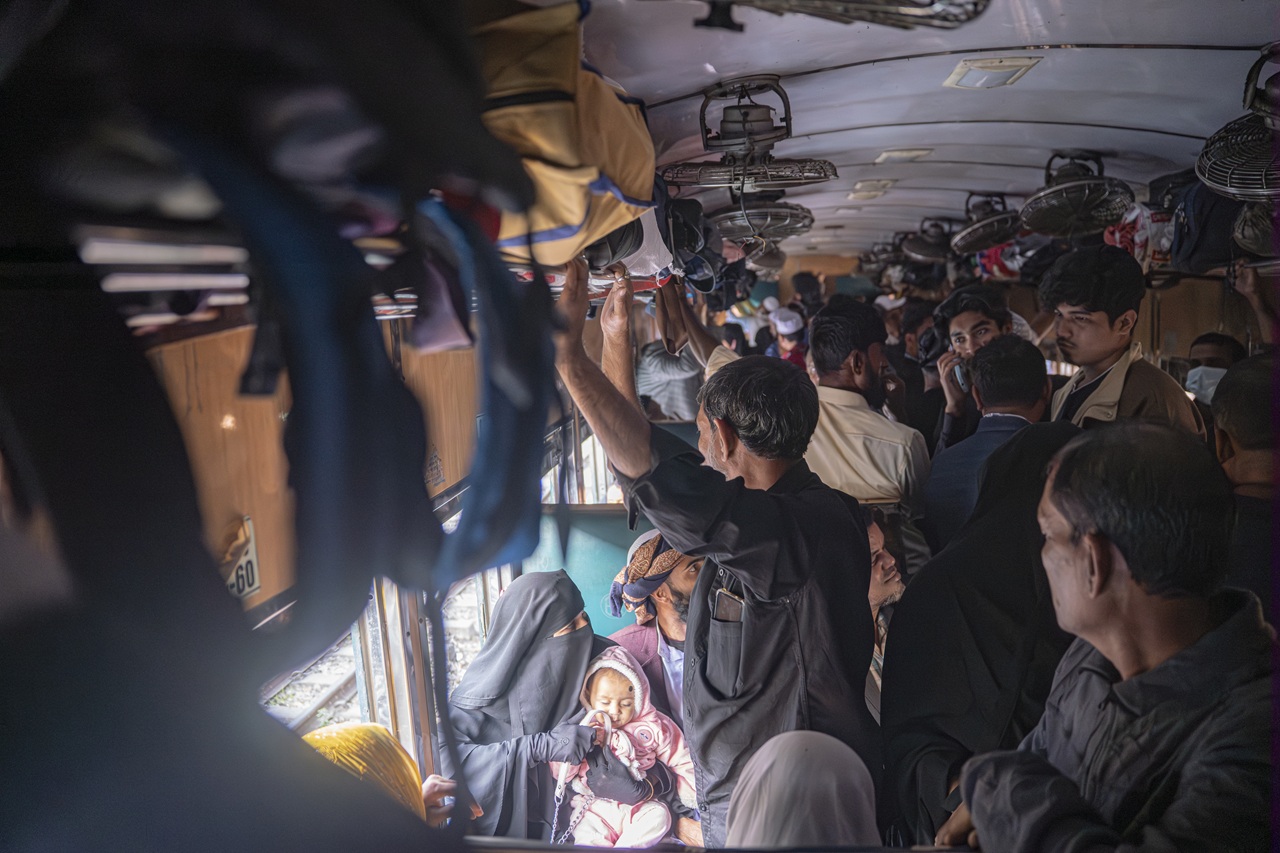
Before the train even moved, the 60-seat compartment filled to bursting with passengers clutching standing tickets. When the train stopped at the Airport Railway Station, even more people squeezed in. Despite the cool weather outside, the air inside was thick and stifling.
Men and women stood pressed against one another in the aisles. An elderly woman, exhausted and dizzy, lay down on the floor. By the time the train reached Mohonganj, nearly seven hours later, the ordeal had tested every passenger’s endurance.
This is not an isolated scene. Such chaos is now a daily reality for Bangladesh Railway’s cheapest classes — Shovon Chair, Shovon and Shulov — across almost every intercity route. At present, Bangladesh Railway operates 122 intercity trains across the country.
A policy of discomfort
The Bangladesh Railway allows the sale of “standing tickets” for up to 25% of a train’s capacity, a policy officially designed to accommodate demand and reduce losses. Yet for many, it has turned long-haul travel into a misery.
Afzal Hossain, the Railway’s Director General, said that standing tickets are not sold on premium intercity services like the Subarna Express, Sonar Bangla Express, Parjatak Express, or Cox’s Bazar Express — trains used by “posh people,” as he put it.

For the rest, Shovon Chair, Shovon and Shulov classes standing tickets are standard fare. The result is an uncomfortable, unsafe, and unequal experience for millions of low-income travellers.
Paying the same for less
Consumer rights advocates say the policy is fundamentally unjust.
“By selling standing tickets, the railway is denying passengers a comfortable journey, which is their right,” said AHM Shafiquzzaman, the president of the Consumers Association of Bangladesh. “The price should be at least 30 to 40 per cent lower than that of a seat ticket.”
Instead, standing passengers pay the same as those with seats but endure hours pressed against strangers, often unable to reach the toilets.


“It happened that a man’s sweat fell on my hand as I travelled from Ishwardi to Dhaka,” said Anwarul Islam, a university student. “You feel suffocated; they breathe down your neck.”
“This is not just discomfort — it’s discrimination,” said one transport expert. “You’re paying the same for vastly different treatment.”
From legacy of comfort to chaos
Once known for comfort and reliability, Bangladesh Railway’s intercity service has steadily declined. A decade ago, passengers without tickets were fined on the spot — not accommodated.
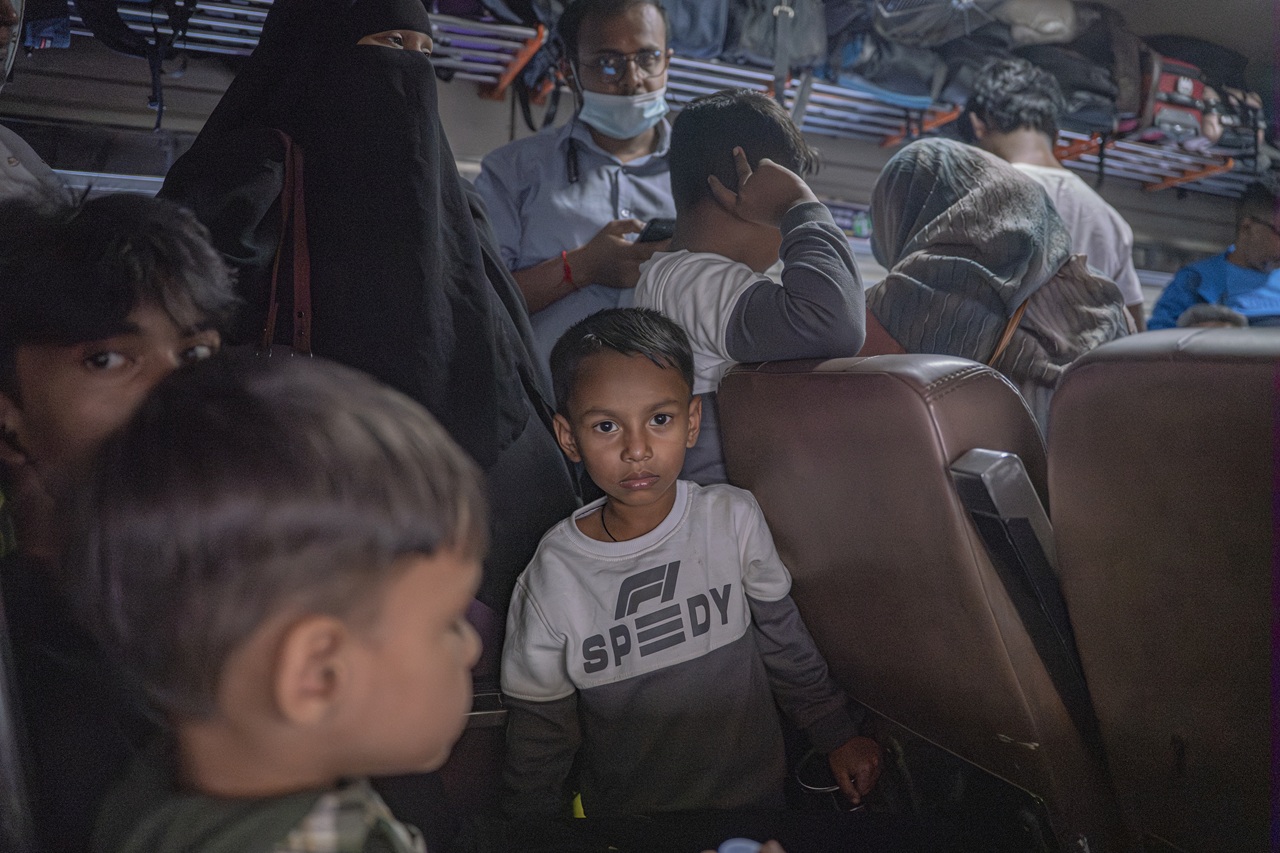
Now, every station is instructed to sell 25% more tickets than there are seats. The result: aisles jammed with passengers, toilets blocked, and women struggling to move through the crowds.
Trains leaving Dhaka on Thursdays or arriving on Fridays are especially chaotic, with passengers packed shoulder-to-shoulder for hours.
Safety compromised
Overcrowding has created a dangerous security vacuum.
“If a crime occurs in a compartment, you can identify a suspect by their seat number — but not a standing passenger who moves freely between coaches,” said Professor Hadiuzzaman of BUET’s department of civil engineering.
A study titled Few Key Concerns Regarding Service Quality and Safety Condition of Bangladesh Railway found that 42% of passengers rated train security as “poor” or “very poor.”
Even police struggle to move through the crowd during emergencies. And when standing passengers block compartment doors, boarding becomes a battle. The ever-present moving hawkers make things even worse.
No end in sight
Despite mounting criticism, railway officials say the standing ticket policy will continue.
Railway Adviser Muhammad Fouzul Kabir Khan said, “We can’t stop selling standing tickets. There are simply not enough trains to meet passenger demand.”
Asked why passengers pay the same price to stand, Khan argued that lowering the fare would only encourage more people to buy standing tickets.
He added that new locomotives take years to procure: “If we stop selling standing tickets now, how will people travel? Not all areas are connected by road.”
Professor Shamsul Hoque of BUET called the policy “totally unacceptable.” “Every compartment is supposed to provide a level of service based on fare. By failing to do so, the Railway is breaching its service commitment,” he said.
Until Bangladesh Railway invests in more rolling stock and modern infrastructure, the scenes of suffocating aisles and exhausted travellers will continue.
For now, the journey that once symbolised freedom of movement has become a grim test of endurance, standing shoulder to shoulder on the tracks of a system that has lost its balance.