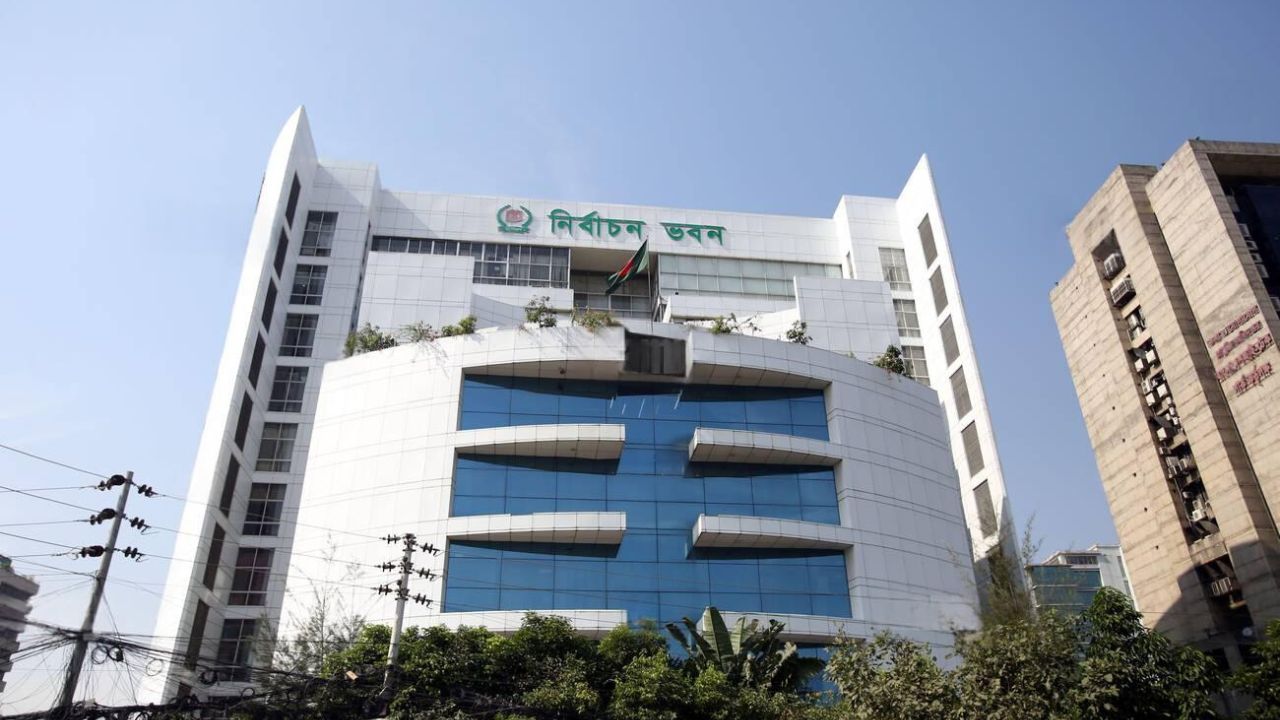

Intelligence agencies in Bangladesh have gathered 21 specific types of information on prospective candidates as the Election Commission prepares to announce the schedule for local government elections. The intelligence sweep aims to compile comprehensive candidate profiles from top to bottom.
According to findings from intelligence officials, while Jamaat-e-Islami has fielded single candidates across different areas, the Bangladesh Nationalist Party (BNP) features multiple candidates for mayor, chairman, ward councillor, and member positions in every area.
This internal competition within the BNP has raised concerns among intelligence agencies regarding potential election violence and clashes. These details were confirmed through field checks in several cities and districts, including Dhaka, Narayanganj, Sylhet, and Gazipur.
Speaking on condition of anonymity, several intelligence officers stated that gathering information on prospective candidates is a routine task carried out before and after elections to evaluate the overall situation.

Field-level intelligence is being collected across upazila, union, city corporation, and municipality levels by the Police Special Branch (SB), District Special Branch (DSB), National Security Intelligence (NSI), and the Directorate General of Forces Intelligence (DGFI) for chairman, member, mayor, and councillor posts.
Intelligence sources revealed that the 21 collected items include- Candidate’s name, parents’ names, current and permanent addresses, profession and educational qualification, political identity, positive and negative background information, field-level popularity rating, and pending court cases/lawsuits, passport number, details of close associates, and photographs.




Data collection has already been completed for prospective candidates in many districts, upazilas, and cities. Candidates themselves confirmed being approached by intelligence personnel.
In Mymensingh City Corporation, a prospective general ward councillor stated that multiple intelligence agencies took his bio-data, noting that similar details were collected during the previous election.
A prospective candidate for a reserved women’s ward in the same city corporation explained that intelligence officials identify contenders by observing banners, festoons, and public outreach, conducting both secret investigations and direct conversations with candidates as standard practice.
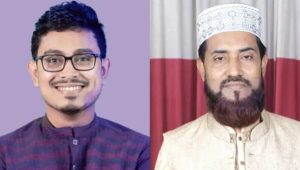
In Dhaka district, Khorshed Alam, a BNP nomination hopeful in Savar Municipality, and Nazmul Hasan Abhi, a BNP nomination hopeful in neighbouring Dhamrai Municipality, stated that intelligence agencies continuously keep track of their organisational activities.
Multiple Jamaat-backed prospective councillor candidates in Gazipur City Corporation also confirmed providing their bio-data to intelligence personnel.
Although local government elections are non-partisan, grassroots party activists believe political parties will accord informal endorsement to candidates for mayor, chairman, councillor, and member positions.
Jamaat-e-Islami and the NCP have already declared their mayoral candidates for Dhaka’s two city corporations and given green signals to prospective councillor candidates in every ward.
Meanwhile, although the ruling party, BNP, has not officially announced candidates, local leaders and members of parliament (MPs) in many areas have announced local chairman and member candidates, alongside independent candidate declarations—a scenario clearly visible across several unions in Savar near Dhaka.