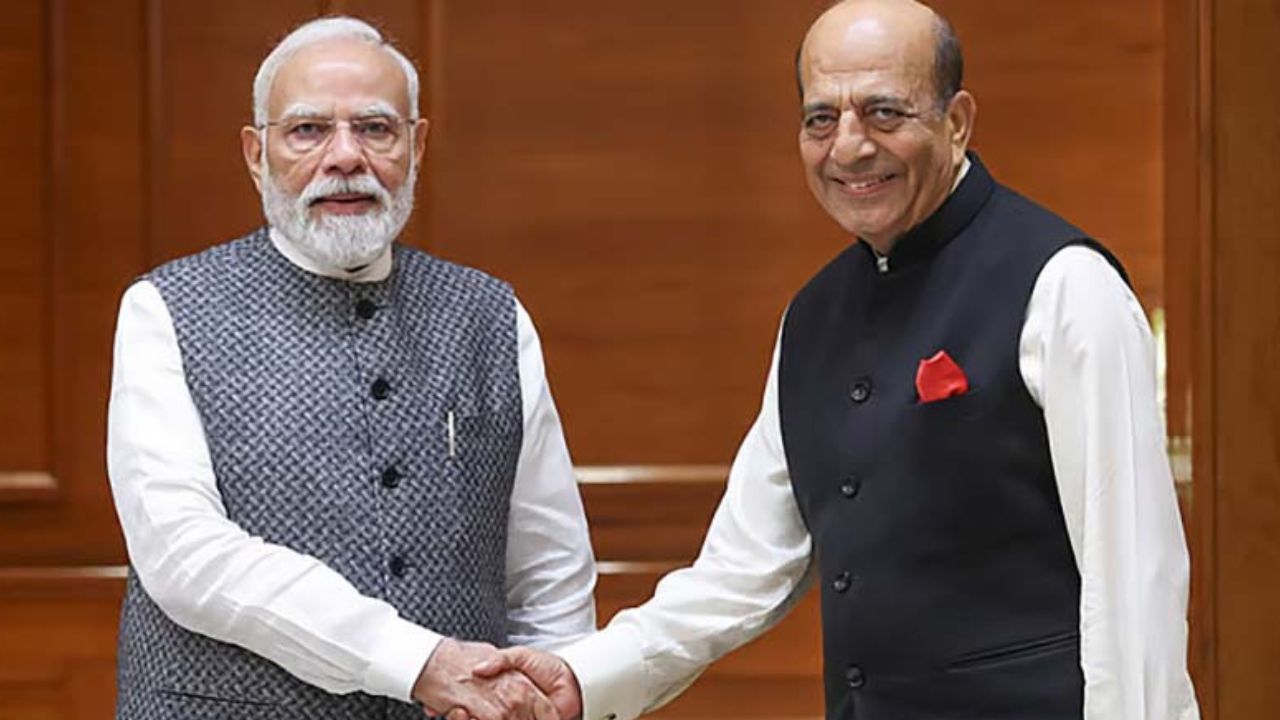



Indian High Commissioner to Bangladesh Dinesh Trivedi on Tuesday met Prime Minister Narendra Modi in New Delhi and conveyed the message he carried from Dhaka following three high‑level meetings with Bangladesh’s leadership.
“Yes, he had the meeting with Prime Minister Narendra Modi today (Tuesday),” a diplomatic source in New Delhi confirmed to UNB.
According to the source, Trivedi sought guidance from the Indian Prime Minister on ways to further strengthen bilateral ties in a constructive, people‑centric manner.
India has also reiterated that Prime Minister Tarique Rahman has been invited to New Delhi for a bilateral visit as well as to attend the BRICS Summit’s outreach session.

At a regular briefing in New Delhi, Ministry of External Affairs Spokesperson Randhir Jaiswal said the bilateral invitation had been extended earlier in February, and that Bangladesh’s prime minister had also been invited to the BRICS outreach session scheduled in New Delhi in September.
“We will keep you updated on this particular matter,” he added.




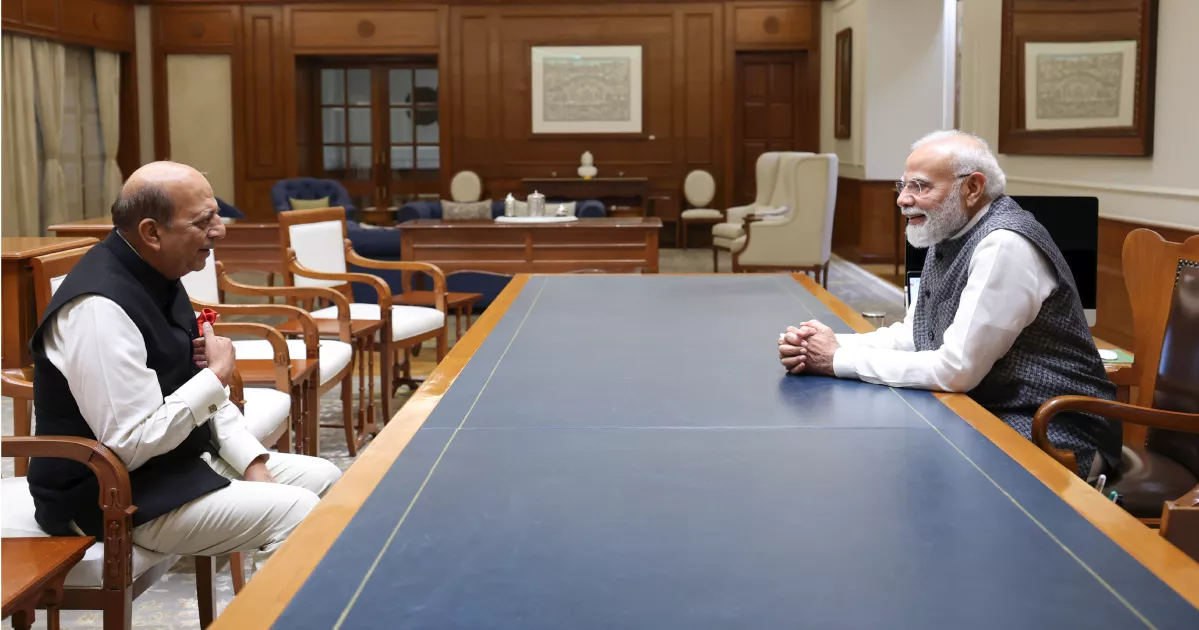
High Commissioner Trivedi arrived in New Delhi on Monday after holding three meetings in Dhaka, described as further consultations to advance constructive engagement between the two neighbours.
On Monday, Trivedi held separate courtesy meetings with Tarique and Home Minister Salahuddin Ahmed at the Secretariat. He also met Foreign Minister Khalilur Rahman on Sunday at State Guest House Padma.
During his meeting with Prime Minister Rahman, Trivedi conveyed greetings from Prime Minister Modi and expressed India’s intent to work with Bangladesh’s government and people in a “positive, constructive and forward‑looking” manner.
Both sides exchanged views on matters of mutual interest and discussed avenues to deepen bilateral relations with a people‑centric approach.
In his meeting with Home Minister Salahuddin, discussions focused on areas of common interest, including security cooperation and ways to further strengthen ties.
The high commissioner reiterated India’s willingness to expand cooperation across all domains based on mutual interest, mutual benefit, and mutual sensitivities.