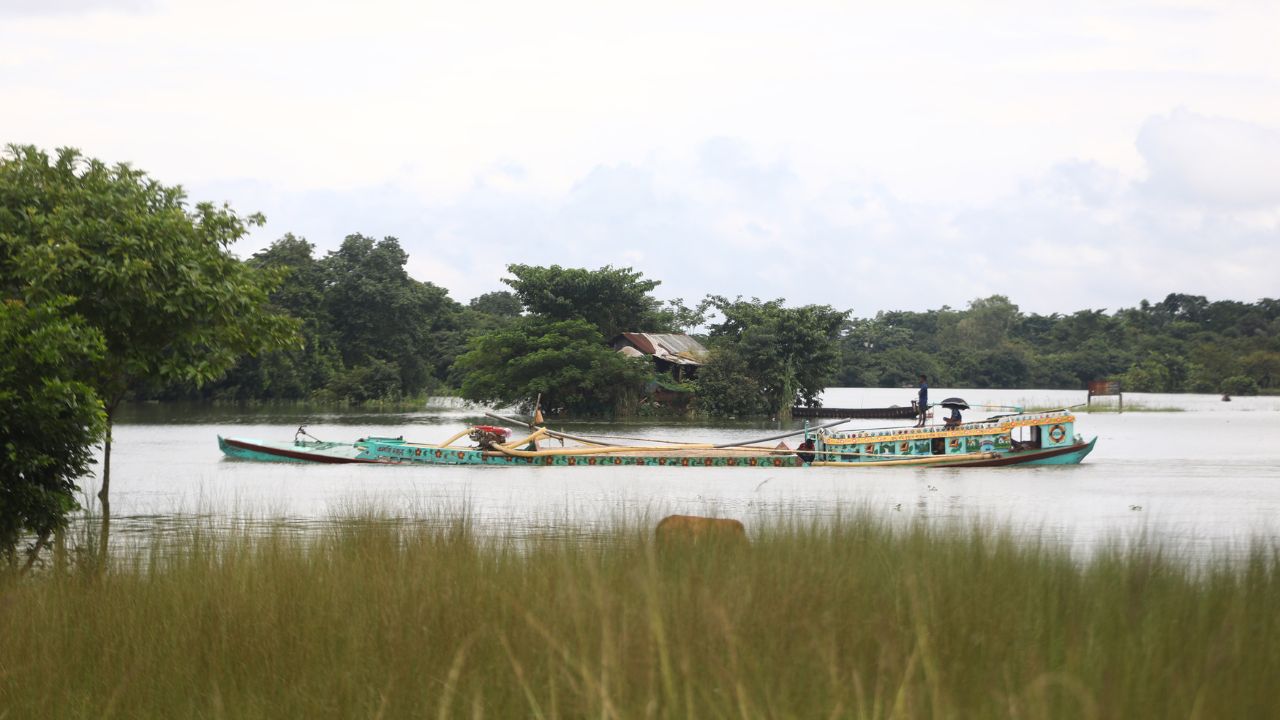

The Chengerkhal in Sylhet, once a vital waterway supporting local biodiversity and livelihoods, is now under growing threat from rampant illegal sand extraction.
Years of unregulated mining have altered the river’s natural flow and riverbed, raising serious concerns over environmental degradation and riverbank erosion.
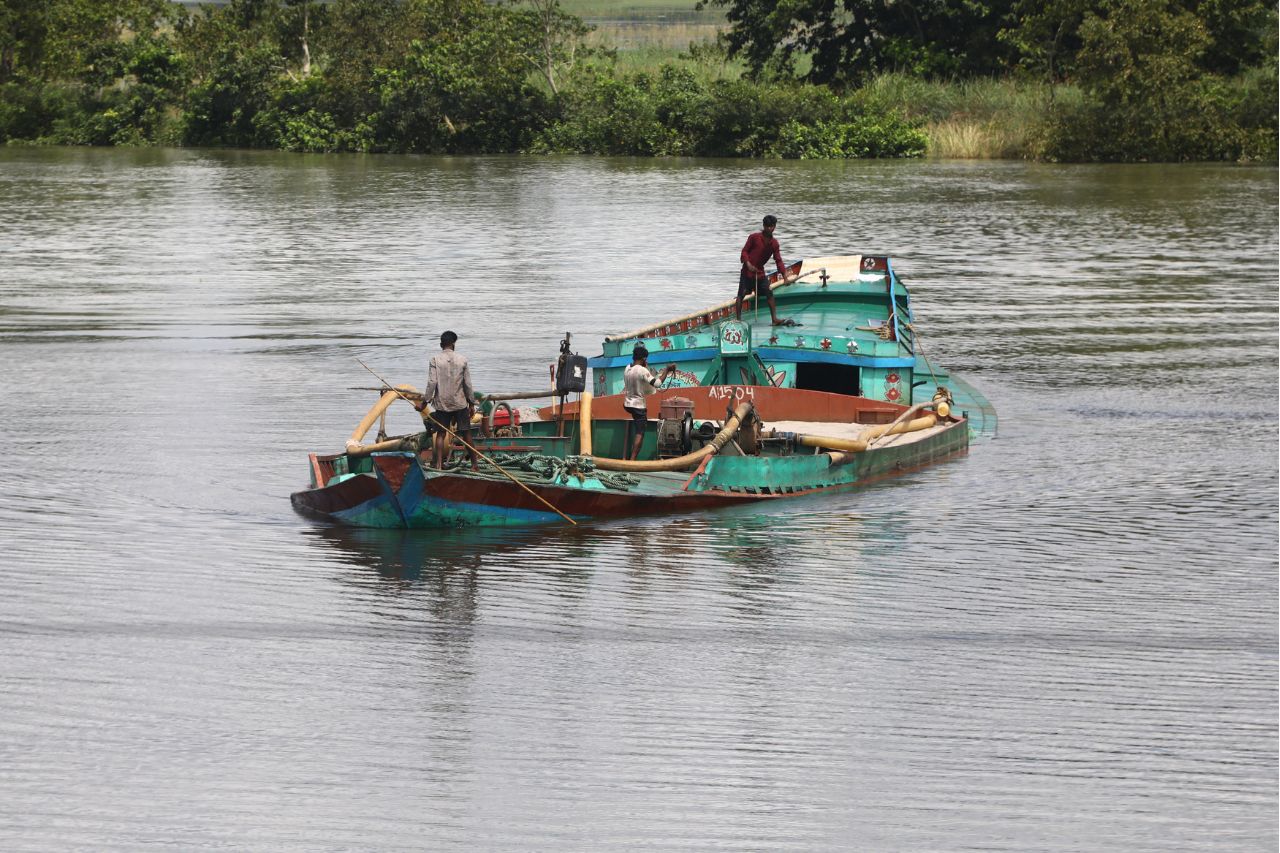
In the Bawarkandi area of Sylhet Sadar, dredging machines and steel boats are allegedly being used to extract sand illegally from riverbanks outside government-approved lease zones, including near densely populated areas.

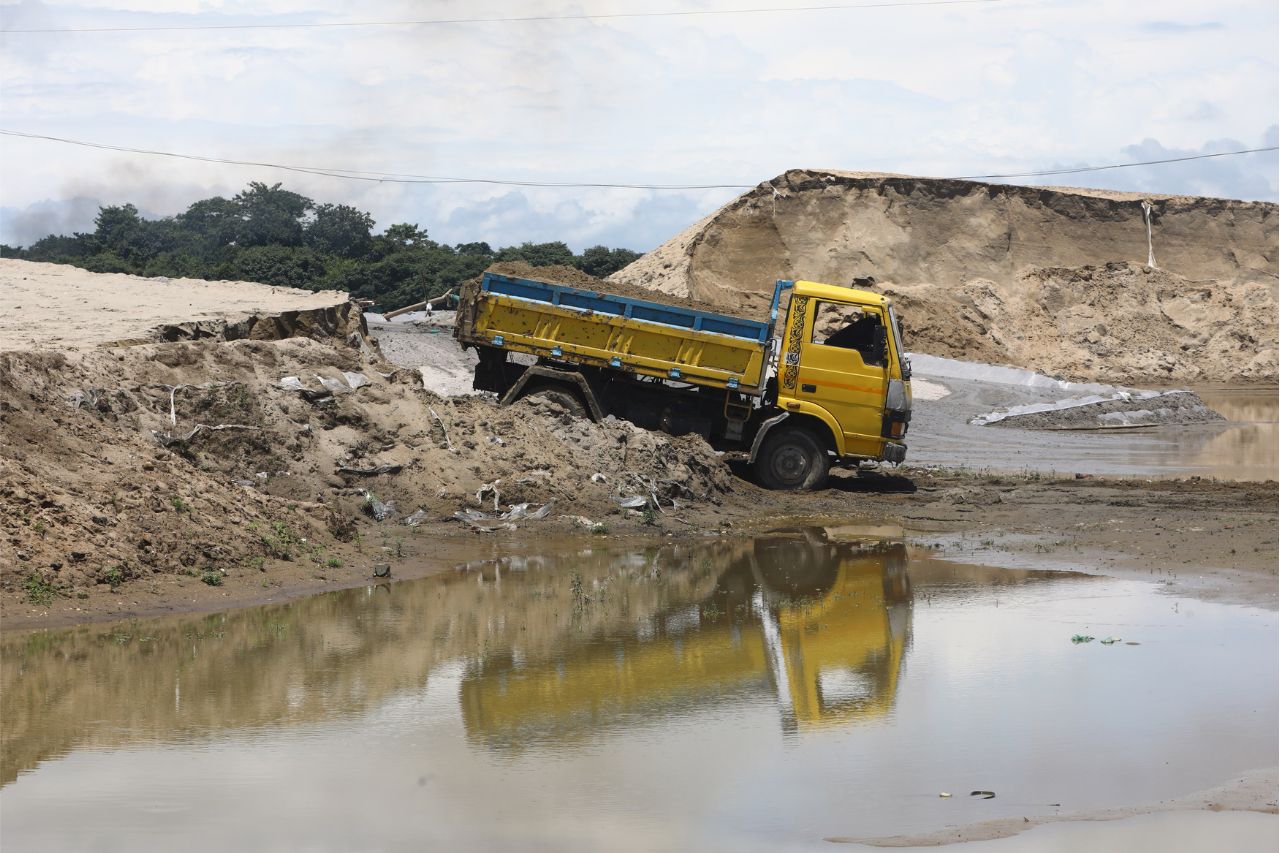
The extracted sand is stockpiled along the banks before being sold and transported elsewhere, often under the cover of darkness to evade authorities.
The consequences are becoming increasingly visible. Environmentalists warn that continued illegal extraction could severely damage the river’s ecosystem and the wider environment.




According to the National River Protection Commission, rivers in the Sylhet Division, including the Chengerkhal, Surma, and Kushiara, are in critical condition due to illegal quarrying, pollution, and encroachment.
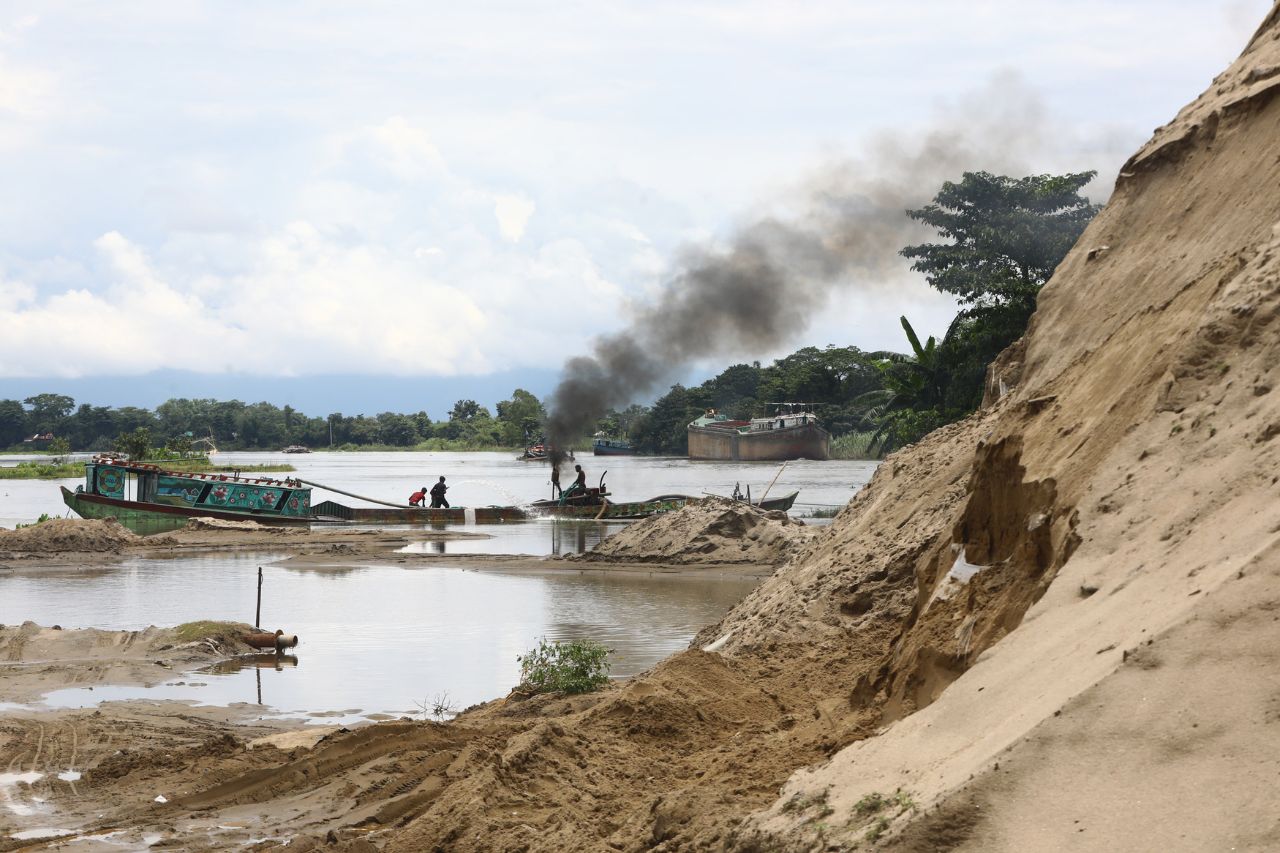
Local residents fear losing homes, farmland, roads, and other infrastructure to the encroaching river. “This destruction is being carried out by illegally mining sand at night using dredgers, which has become a cause of great fear for the locals,” according to local sources.
The erosion worsened by sand extraction significantly increases the risk of further bank collapse, particularly during the monsoon season when rivers swell and currents intensify.
The situation is part of a broader crisis. Studies indicate that unregulated sand mining across Bangladesh has led to riverbed deepening, accelerated erosion, loss of agricultural land, and displacement of communities. In many regions, illegal mining is controlled by networks with political backing, making enforcement difficult.
Environmentalists and local residents are calling for stricter enforcement and regular monitoring to protect Chengerkhal and nearby communities.
Officials have conducted occasional drives, but locals allege that extraction continues unabated, highlighting the urgent need for sustained action before the river suffers irreversible damage.