A corruption controversy has erupted inside International Crimes Tribunal (ICT) after leaked audio recordings suggested that members of the prosecution team may have been involved in financial dealings during investigations related to the July–August uprising cases.
The allegations surfaced after two voice recordings of a conversation between a tribunal prosecutor and a lawyer were leaked, prompting concerns about possible bribery in exchange for removing accused persons from a case.
According to sources familiar with the matter, the recordings suggest that a Tk1 crore payment was discussed as a condition for securing relief for two accused individuals currently in jail.
The prosecutor named in the recordings has denied the allegations but has resigned from his position.
Two voice recordings obtained by TIMES of Bangladesh on Sunday night brought the allegations into public view.
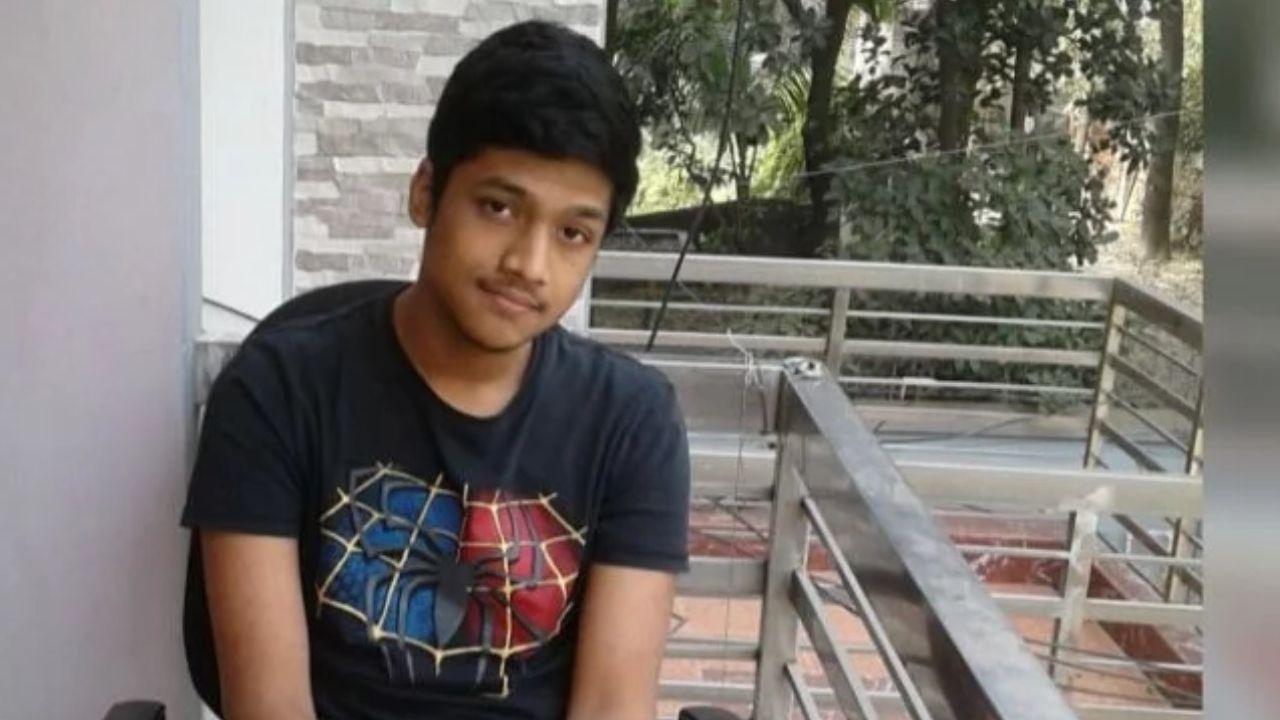
In the recordings, tribunal prosecutor Md Saimum Reza Talukder is heard speaking with Rizwana Yusuf, a lawyer and the niece of former Chattogram-6 MP ABM Fazle Karim Chowdhury.
Fazle Karim Chowdhury and his son Faraz Karim Chowdhury are both accused in a case related to incidents during the July–August uprising and are currently in jail.
According to the recordings, Talukder allegedly discussed a payment of Tk1 crore in exchange for removing the two men from the case.
Rizwana Yusuf, who represents them as their lawyer, was part of the conversation in which the financial arrangement was discussed.
Sources in the tribunal and the Ministry of Law, Justice and Parliamentary Affairs said the authenticity of the audio recordings has been initially verified. Multiple officials confirmed that the ministry has begun examining allegations of financial dealings involving members of the prosecution.
Amid the controversy, prosecutor Saimum resigned on Monday, citing personal reasons.
However, several prosecutors told TIMES that he decided to step down shortly after the recordings were leaked. The timing of the resignation has intensified suspicions about his possible involvement.

A senior official from the law ministry said the minister and several government officials had listened to the recording of the conversation between Saimum and the former MP’s niece, lawyer Rizwana.
When asked about the issue on Monday afternoon, Law, Justice and Parliamentary Affairs Minister Advocate Asaduzzaman declined to comment.
However, ministry sources confirmed that the minister had received the recordings and forwarded them to former Chief Prosecutor Tajul Islam.
Several prosecutors expressed surprise that Tajul allegedly knew about the prosecutor’s demand for money but did not take any action earlier.
Attempts to contact Tajul Islam for comment were unsuccessful. He is currently in Saudi Arabia performing Umrah, and messages sent to his WhatsApp account seeking clarification received no response.
Tribunal investigators have also learned of allegations that individuals involved in the investigation received financial benefits from Mir Muniriya Darbar Sharif in Chattogram.
According to sources, investigators were then asked to exclude the names of certain police officers involved in the incident and instead file the chargesheet only against former MP Fazle Karim Chowdhury and his son.
The tribunal reportedly objected to this approach and instructed investigators to conduct a reinvestigation and include all individuals involved in the incident.
Following that development, a demand of Tk1 crore was allegedly made to remove the names of the former MP and his son from the case.




During discussions at the ministry, the names of prosecutors Tarek Abdullah and Abdullah Al Noman were also reportedly mentioned in connection with the matter.
One of the leaked calls, lasting 1 minute and 36 seconds, includes a discussion about paying Tk1 crore in several instalments.
In that conversation, Saimum also mentioned another individual named Manjurul while discussing the financial arrangement with the woman on the other end of the line.
The second call, which lasts 3 minutes and 42 seconds, contains a statement attributed to Saimum in which he says the current chief prosecutor is “a good person”.
In the recording he says that a meeting would be held involving prosecutors Tarek Abdullah, Moinul Karim, Noman, himself, chief prosecutor and Tanvir Hasan Joha regarding the case.
According to the conversation, Saimum suggests the discussion would be “positive” from their side and expresses hope that the “reasonableness” of the proposal would be understood.
During the exchange, the woman says she is using a foreign phone number. The conversation also refers to a person addressed as “Chachi”, believed to be the wife of former MP Fazle Karim Chowdhury. She was reportedly asked to make contact using an overseas number for the financial transaction.
When contacted, Saimum denied that the voice heard in the recordings belonged to him.
He told TIMES that he did not understand the matter regarding the call recordings and claimed the voice was not his.
“If something like this had happened, other actions would have been taken,” he said.
Saimum added that the investigation and prosecution process is a team effort and that no individual can make such decisions alone.
He also said he had already been planning to return to his previous profession as a teacher and resigned for that reason.
ICT prosecutor Tanvir Hassan Zoha said the matter should be investigated.
He said the country has the technical capability to conduct digital forensic analysis of audio clips, including examining voice samples and IP data records to determine who made the recordings and when.
According to him, a proper forensic investigation could conclusively determine whether the voices in the recordings belong to the individuals involved.
The bribery claims come amid several other controversies involving the tribunal’s prosecution team.
One member of the prosecution, Gazi Monawar Hossain Tamim, has been accused of financial corruption by fellow prosecutor BM Sultan Mahmud.
In a case involving the killing and burning of six people during the July–August protests in Ashulia, police sub-inspector Sheikh Afzalul Haque was made a state witness, drawing criticism and allegations from other accused persons.
In another case related to a killing in Dhaka’s Chankharpul area during the uprising, the police officer who allegedly ordered the shooting was made a witness instead of being listed as an accused.
Meanwhile, in the Rampura killings case, several army officers were charged but Dhaka Metropolitan Police Motijheel Division deputy commissioner Hayatul Islam Khan, who was reportedly involved in the incident, was not named as an accused.
Another allegation concerns former Dhaka Metropolitan Detective Branch assistant commissioner Javed Iqbal, who faced accusations of sexually harassing a female student protester but has not been brought to trial.
Sources say that during the 5 August 2024 clashes at Chankharpul intersection in Dhaka, police officers fired at protesters while standing, lying down and kneeling.
The team was reportedly led by sub-inspector Ashraful Islam, who allegedly ordered the shooting and encouraged subordinate officers to fire at protesters.
Video footage from a private television channel reportedly captured his presence and instructions at the scene.
Despite this evidence, prosecutors did not include him as an accused and instead made him a witness in the case.
According to sources, prosecutor BM Sultan Mahmud once attempted to physically confront sub-inspector Ashraful in the office of prosecutor Tamim at the chief prosecutor’s office.
At the time, Tamim and other prosecutors, including lawyer Mizanul Islam, were present. The police officer was reportedly scolded lightly and allowed to leave the office.
He later gave testimony as a witness in a case against former prime minister Sheikh Hasina.
Questions have also been raised in the Abu Sayeed murder case in Rangpur, where witnesses in court reportedly named a person called Imran as involved in the killing.
Despite this, Imran was reportedly granted exemption from the case.
Executive Director of Transparency International Bangladesh (TIB) Iftekharuzzaman said the allegations, though shocking, were not entirely surprising.
He said if the claims proved true, they would represent another example of how corruption has affected the country’s legal profession.
According to him, such incidents could erode public trust in the judicial process under the International Crimes Tribunal.
He added that corruption of this kind could undermine the prospects of ensuring accountability for crimes committed during the uprising and emphasised that a proper investigation is necessary to establish the truth and ensure accountability.