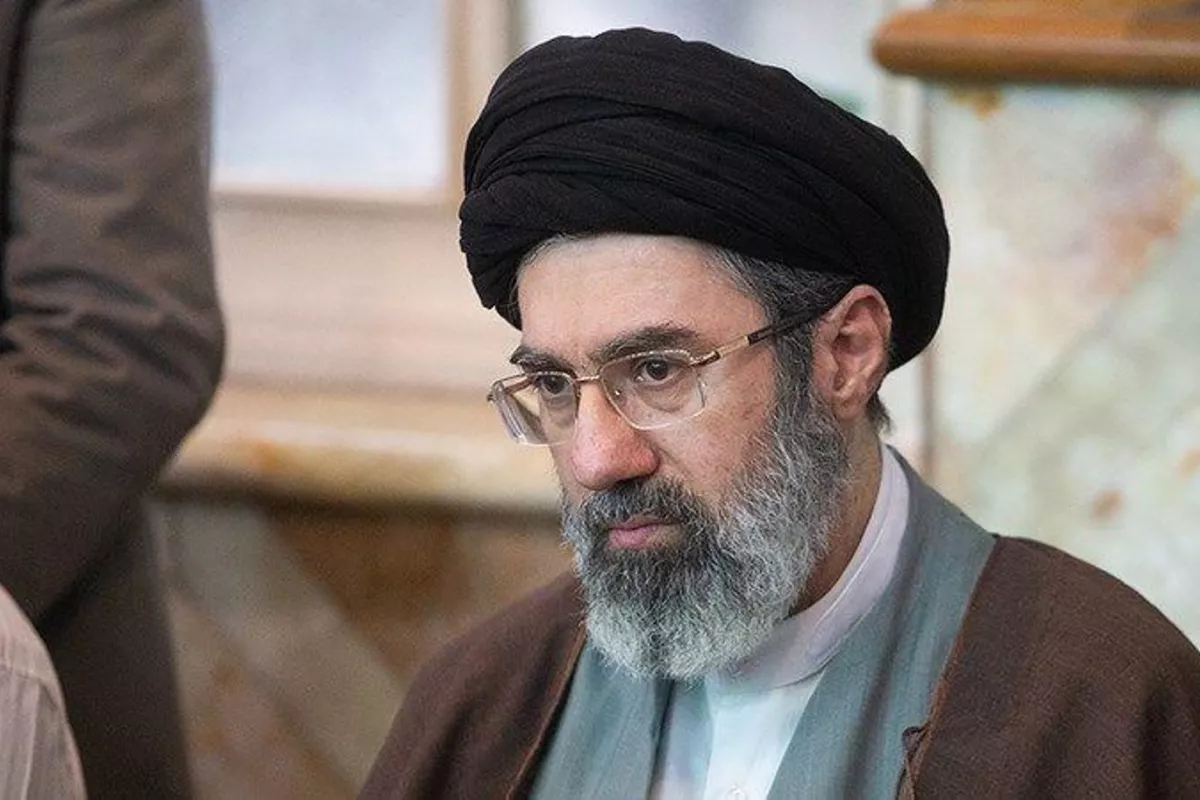

Iran’s political and military leadership has pledged allegiance to Mojtaba Khamenei, who has been appointed the country’s new supreme leader after the killing of his father, Ali Khamenei, during the opening phase of the United States-Israel joint assault.
The succession comes amid escalating regional conflict that has already killed more than 1,300 people in Iran and hundreds more in Lebanon, while missile strikes, drone attacks and air raids continue across the Middle East.
Iranian state media said the Assembly of Experts – the 88-member clerical council responsible for choosing the supreme leader – selected Mojtaba Khamenei by what it described as a “decisive vote”.
The body called on Iranians to unite behind the new leader and urged elites and scholars to pledge allegiance to the leadership during what it described as a moment of national crisis.
A new leader amid war
Mojtaba Khamenei, 56, is the second son of Ali Khamenei and had long been viewed as a powerful but largely behind-the-scenes figure in Iran’s political system.
His father, who ruled Iran for more than three decades, was killed on the first day of the war launched by the United States and Israel against Iran.
Iranian media reported that Khamenei was killed along with some close relatives. Mojtaba Khamenei survived because he was not present at the location targeted in the attack.
Analysts say Mojtaba Khamenei has extensive experience working within Iran’s power structure. According to Zohreh Kharazmi, an associate professor at the University of Tehran, he has worked closely with the government, intelligence agencies and the Islamic Revolutionary Guard Corps.
She said many supporters of the late supreme leader believe Mojtaba Khamenei understands Iran’s political system and has played a key role behind the scenes for years.
Iranian President Masoud Pezeshkian described his appointment as “a manifestation of the people’s will”, saying the new leader could guide the country through the current crisis.
Iran’s security chief Ali Larijani said the succession had brought “hope” to Iran while leaving its enemies “in despair”.

Iranian allies also welcomed the appointment. The Lebanese armed group Hezbollah congratulated Mojtaba Khamenei and pledged loyalty to his leadership.
Continued air raids and missile strikes
Even as the leadership transition unfolded, air raids and missile strikes continued across the region.
The US and Israel have maintained heavy bombardment of Iranian territory, with explosions reported in the cities of Tehran and Qom.
Earlier strikes on oil facilities sent toxic smoke across Tehran, raising environmental and health concerns.
Iran has responded with missile and drone attacks targeting Israeli and Gulf state infrastructure. Air-raid sirens have sounded repeatedly in cities across Israel, including Haifa, as rockets and drones continue to be launched from Iran and from allied groups in Lebanon.
Reports said rockets struck several areas of central Israel, where nearly half the country’s population lives and where strategic facilities such as Ben Gurion Airport, military bases and intelligence headquarters are located.
In the Gulf, Qatar said it intercepted 17 ballistic missiles and six drones launched from Iran, while NATO confirmed shooting down a missile that entered the airspace of Turkiye.



The conflict has also spilled into Lebanon, where Israeli strikes have targeted Hezbollah-linked infrastructure in Beirut.
Rising civilian death toll
The human cost of the war has risen sharply.
Iranian authorities say more than 1,300 people have been killed across the country since the attacks began, including about 200 children and 11 healthcare workers. School victims ranged in age from eight months to 88 years old.
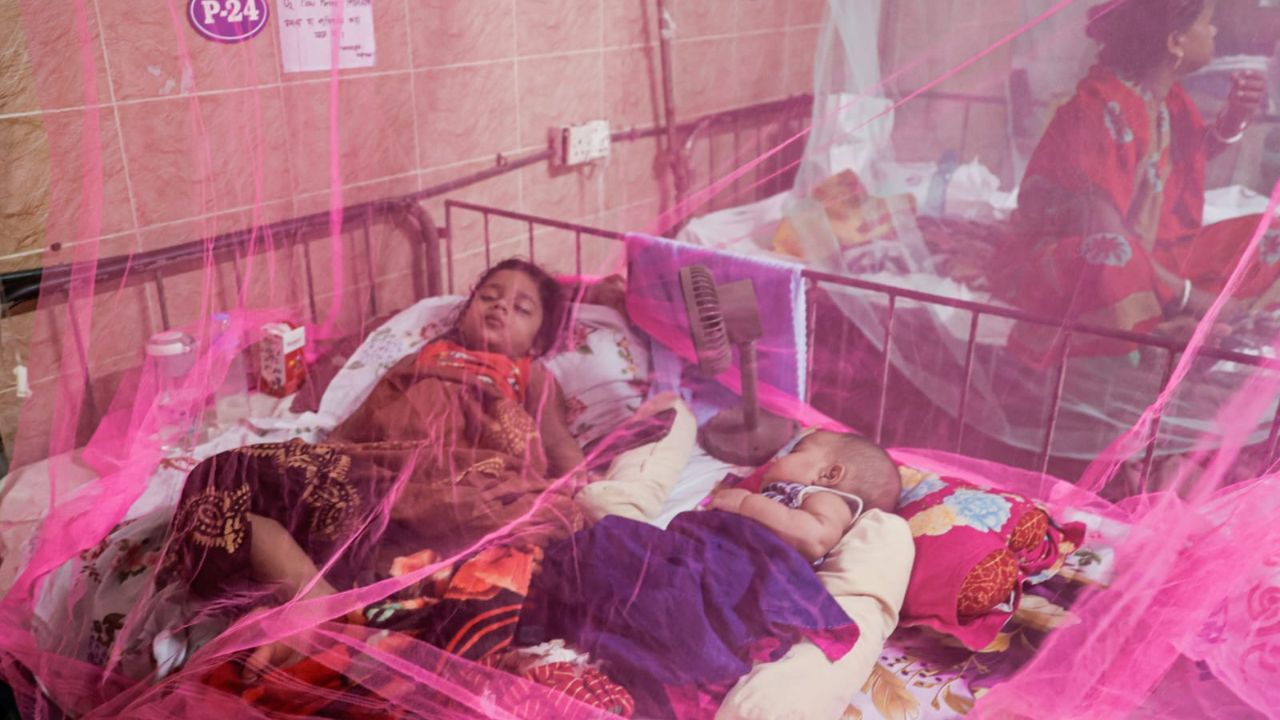
The fighting has also devastated Lebanon. Local authorities say nearly 400 people have been killed, with hundreds more injured.
According to UNICEF, at least 83 children have been killed in Lebanon in the past week alone, while about 254 have been injured.
Nearly 700,000 people have been displaced, including about 200,000 children, as civilians flee intensifying Israeli bombardment.
Many Lebanese residents have crossed into neighbouring Syria on foot, using damaged bridges along the northern border.
US casualties and military losses
The war has also claimed the lives of American soldiers.
The US Department of Defense confirmed that Sgt Benjamin N Pennington, 26, died after being wounded during an attack on Prince Sultan Air Base in Saudi Arabia.
His death brought the number of US combat fatalities to seven.
An eighth US service member died in Kuwait in what officials described as a non-combat-related incident.
US President Donald Trump paid tribute to the fallen troops but said Washington was “nowhere near” deciding whether to deploy ground forces inside Iran.
Economic shockwaves
The war has triggered significant economic consequences around the world.
Oil prices have surged by more than 25 percent, rising above $119 per barrel, as fears grow about disruptions to energy supplies and shipping routes.
The strategic Strait of Hormuz, through which a large portion of global oil shipments pass, has become increasingly insecure.
Iranian security officials said stability in the waterway would be impossible while the war continues.
In response to the volatility, finance ministers from the G7 said they were prepared to release emergency oil stockpiles to stabilise energy markets.
The war’s economic effects have already spread to Europe. Stock markets fell sharply in United Kingdom and Germany, raising concerns about inflation and potential interest-rate increases.
Global political reactions
International leaders have responded with a mix of concern and caution.
Russian President Vladimir Putin congratulated Mojtaba Khamenei on his appointment and expressed support for Iran during what he called “severe trials”.
Meanwhile Emmanuel Macron said France was preparing a naval escort mission with allies to help reopen shipping routes through the Strait of Hormuz once the most intense phase of the conflict ends.
Lebanese President Joseph Aoun called for a complete ceasefire and proposed that the Lebanese army take control of areas currently held by Hezbollah.
Experts assess the war’s trajectory
Analysts say the war has entered a critical phase.
According to Andreas Krieg, the most likely path for Washington is not a ground invasion but a coercive political settlement.
He suggested the US could still reach an understanding with elements of Iran’s ruling establishment if they were willing to make concessions on missiles, nuclear restrictions and regional policy.
Krieg said a full US ground deployment would be the most escalatory option and therefore the least likely.
Meanwhile Rob Geist Pinfold said Iran’s strategy appears aimed at creating instability across the region in order to force Washington to seek a ceasefire.
He argued that Iran is deliberately targeting infrastructure and economic assets across the Gulf region to increase pressure on the US and its allies.
For Iran’s leadership, he added, the war has become an existential struggle.
“This is really a do-or-die moment,” he said.