Tarique Rahman, the chairman of the BNP, has drawn significant attention for his courteous approach, kindness toward people, and commitment to a democratic trajectory.
As a journalist for The Diplomat, I recently had the opportunity to interview him. The meeting took place amid election campaigns and evolved into a wide-ranging conversation that went beyond formal journalistic questions.
Spending time with Tarique Rahman and engaging in candid discussion was a memorable experience. Beyond the interview itself, getting to know him as an individual provided a distinct viewpoint regarding a figure widely regarded as the next prime minister of Bangladesh.
When I contacted his office to request an interview, I received a response. The entire process was efficiently managed, and a formal appointment was arranged. I was informed that I would meet him during his political engagements while he was travelling by bus.
I arrived nearly an hour early at his political meeting in Sirajganj.
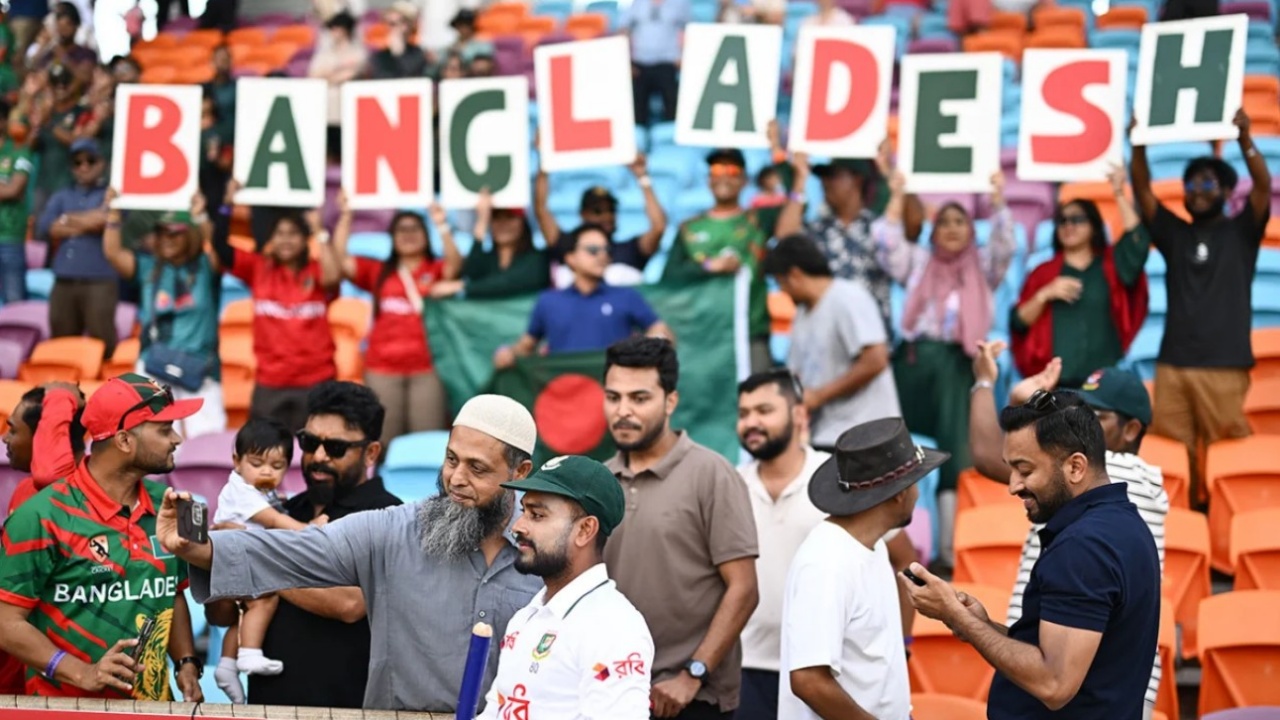
At the venue, I observed a crowd that appeared energetic. Older attendees were engaged in quiet conversations on one side of the gathering, while the younger generation was visibly enthusiastic – eager and almost desperate to move closer to the stage to see Tarique Rahman with their own eyes.
When he entered the stage, I was between it and public.
The reaction from the youth was striking: they became animated, recording videos, streaming live on Facebook, and cheering loudly with excitement.
During his speech, I stood on the stage behind him. From that vantage point, I was surprised to see a gathering of hundreds of thousands of people. Each line of his speech seemed to resonate strongly with the audience.
With every statement, the youth responded enthusiastically, reflecting a deep connection with his message. It was evident that Tarique Rahman has emerged as a leader who resonates powerfully with Generation Z.
After the meeting concluded, he returned to the bus. I boarded before him, and once he arrived, I observed him sharing his thoughts with his team. He emphasised the need to address people’s expectations with dignity and seriousness, acknowledging their hunger for change.



During this time, someone reminded him about his prayers, to which he calmly replied that he had already performed them before leaving the hotel.
Within minutes, someone brought him soup for lunch. After a brief five-minute break, I approached his seat to begin the interview. He appeared slightly unwell, affected by a cold after returning from North Bengal.
Despite this, his mental energy remained high and focused. Before starting the formal interview, we engaged in casual conversation.
I mentioned that I had spoken with many members of Generation Z and civil society, including critics, and asked whether he was prepared to listen to them. He paid close attention, smiled politely, and was genuinely interested.
This openness was particularly impressive; it was clear that he is willing to listen to criticism and reflect on his shortcomings.
Throughout the interview, he listened carefully to every question and responded calmly and thoughtfully. He maintained his composure and gave clear, confident answers even when confronted with challenging questions.
During an informal exchange, I mentioned the intense enthusiasm among the youth surrounding him. He smiled and replied that I had not yet seen its full extent, adding that if I travelled with him earlier, I would witness even greater public fervour.
He said that a large portion of our political meeting attendees are from Gen Z. I truly enjoy connecting with Gen Z. They are energetic. I listen to them through a program called “The Plan,” where students from different universities and backgrounds share their thoughts, concerns, and ideas.
When he learned that I was from Chittagong, he spoke warmly about the people in the area, describing their hospitality and generosity. He mentioned Mejban, recalled memories from political meetings in Chittagong, and acknowledged the region’s role in Bangladesh’s democratic struggle.
He referenced Major Ziaur Rahman’s declaration of independence from Chittagong and described the people of the region as courageous and hospitable.
During the interview, he also paid attention to his supporters, suggesting that he was trying to acknowledge their presence and influence.
For many people, especially young people, seeing Tarique Rahman was exciting. On the other hand, Rahman’s focus on public “love and expectations” shows that he understands popularity not as a permanent asset but as trust that must be earned over and over again.
His way of thinking is different from the top-down leadership styles that are common in the area.
After the interview concluded, his wife, Dr Zubaida Rahman, offered tea and snacks—a gesture rooted in Bangladeshi hospitality. Both Tarique Rahman and Dr Zubaida Rahman treated me with warmth, politeness, and genuine courtesy, leaving me impressed.
The views expressed in this article are solely those of the author.
The writer is a columnist and political analyst. He can be reached at [email protected]