


Population data underpins nearly every aspect of economic planning, from labour force projections and infrastructure development to urban housing, pensions, and public health expenditures. Yet in Bangladesh, these calculations rest on an incomplete foundation. A significant share of the population remains absent from official records, reflecting persistent weaknesses in birth and death registration systems. This invisibility quietly undermines economic planning, distorts labour market projections, and compromises the effectiveness of public investment.
Only about half of all births in Bangladesh are registered, while less than half of deaths are officially recorded. This means that one in every two citizens never formally enters or exits the national ledger. For economists and planners, this represents a structural constraint. The absence of comprehensive records limits access to basic rights for individuals while simultaneously obscuring the country’s true demographic and economic profile. Key indicators, including employment levels, workforce composition, and productivity trends, become inherently unreliable when large segments of the population are unaccounted for.
Such persistent gaps create a profound ‘data vacuum’ with long-term consequences. Without universal birth registration, policymakers cannot accurately forecast the size of the future workforce, leading to inefficient resource allocation in education and job creation. Simultaneously, the lack of death records severely distorts mortality models, making it nearly impossible to build a sustainable pension system, design effective healthcare system and responsive social protection mechanisms.
Invisible Workers, Informal Economies
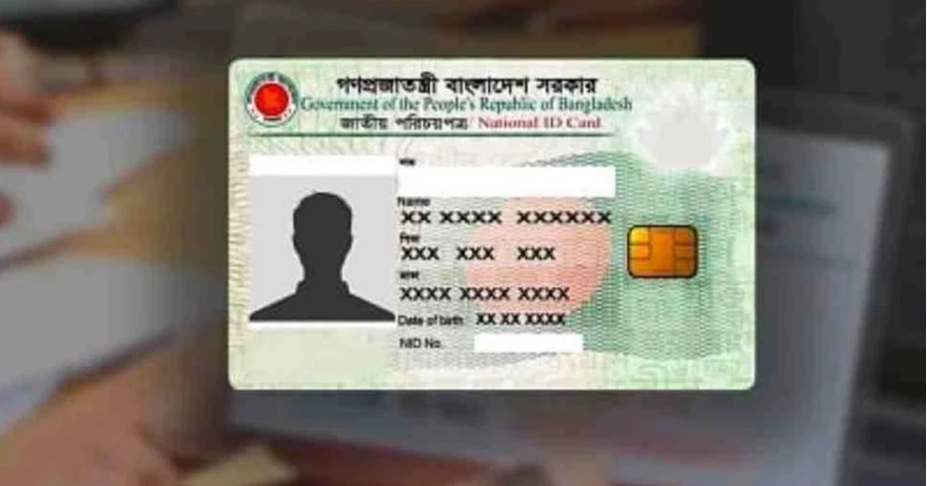
The consequences are particularly acute in the labor market. The lack of legal identification effectively confines millions within the informal sector, which constitutes nearly 84 percent of Bangladesh’s total employment as per Labor Force Survey (2023). Without a birth certificate, a worker is systematically excluded from the ‘formal’ economy, losing access to structured skills development programmes, financial services including bank accounts, and social protection schemes. This creates a large cohort of ‘invisible workers’ who contribute to the economy but lack the legal recognition to claim their rights.

Such workers are disproportionately vulnerable to exploitation, unsafe working conditions, and wage insecurity. Without formal identification, they have limited recourse to labor protections, including minimum wage enforcement and workplace safety regulations. Consequently, a vicious cycle of economic marginalisation persists, preventing upward mobility and undermining the country’s broader development potential.
Misallocated Resources
Inaccurate population data also leads to inefficient distribution of public resources. Health budgets are formulated without reliable morbidity and mortality statistics. This weakens the ability of the health system to respond to actual disease burdens, whether communicable or non-communicable, and often leaves high-need areas underfunded while relatively lower-need areas receive disproportionate attention.




Without consistent birth registration, schools are built with incomplete data of the number of children who will enroll. This leads to a persistent mismatch between infrastructure and demand; some schools face severe overcrowding, strained teacher-to-student ratios, and compromised learning environments, while others remain underutilised, with idle capacity and wasted public investment.
Social safety net programmes struggle with both exclusion errors, that is, missing eligible beneficiaries and inclusion errors, where benefits are allocated to non-existent or ‘ghost’ recipients. Both distortions reduce the effectiveness of poverty alleviation efforts and erode public trust in welfare systems.
Without consistent death registration, the state cannot thoroughly assess disease burden, workplace fatalities, or accident trends, which are crucial inputs for insurance markets, occupational safety policies, and healthcare investments.
The Legal Gap
At the core of the problem lies the Birth and Death Registration Act 2004, which places the primary responsibility for registration on families rather than institutions. In a country where currently almost two-thirds of births occur in health facilities, this design choice seems redundant. In contrast, several countries in the Asia-Pacific region such as Sri Lanka, Maldives, have achieved near-universal registration by mandating health facility-based registration systems. Bangladesh has yet to make this shift. There is no legal requirement for hospitals to register births or deaths. As a result, crucial data is lost at the source.
Strengthening the civil registration and vital statistics (CRVS) system is therefore essential for improving economic governance. Countries with robust registration system benefit from accurate workforce planning, pension and social security systems, urban development and housing policy, investment in health and education etc. The United Nations Economic and Social Commission for Asia and the Pacific (UNESCAP) has set a target for universal registration by 2030, recognising CRVS as one of the foundations for sustainable development. Bangladesh has committed to this goal, but experts warn time is running out.
Policy reforms are urgently needed, that is, the Birth and Death Registration Act 2004, must be revised and updated. The key recommendations include making all hospitals and healthcare facilities legally responsible for registering births and deaths, requiring the production of regular vital statistics to obtain data for planning purposes, as well as simplifying registration procedures, raising awareness about registration among mass people, and strengthening intersectoral coordination.
Every unregistered birth represents a future worker unaccounted for. Each unrecorded death is a missing data point in economic planning. Without accurate population data, effective policymaking remains elusive. For Bangladesh, building a resilient and inclusive economy begins with a simple but essential task: ensuring that every life is counted.
Muhammad Ruhul Quddus is Bangladesh Country Lead-Data for Health, Global Health Advocacy Incubator (GHAI). Email: [email protected]. Mashiat Abedin is Project Coordinator, PROGGA (Knowledge for Progress). Email: [email protected].