For many people, summer is a favourite season-a time for cookouts, beach trips and outdoor activities. However, it also brings the risk of dangerously high temperatures and humidity.
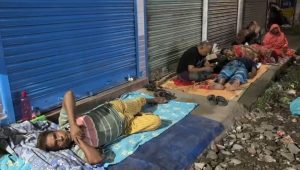
Each year, hundreds of people who work or spend time outdoors, even those who appear healthy, suffer from heat-related illnesses.
Heatwaves are far from enjoyable. Extreme heat and humidity can cause serious discomfort and pose significant health risks, particularly for infants, children, pregnant women and the elderly.
Without proper precautions, extreme heat can lead to heatstroke and, in severe cases, death. Climate change is also making heatwaves longer, more frequent and more intense.
UNICEF has issued guidelines on awareness and preparedness for heatwaves.
What is a heatwave?
A heatwave occurs when temperatures remain higher than normal for several consecutive days. High humidity can make conditions feel even hotter and more oppressive.

What causes a heatwave?
Heatwaves occur when warm air becomes trapped in the atmosphere. While they are a natural weather phenomenon, climate change driven by greenhouse gas emissions is increasing their frequency, duration and severity by trapping heat for longer periods.
Who is most at risk?
Excessive heat is dangerous for everyone, but some groups are particularly vulnerable.
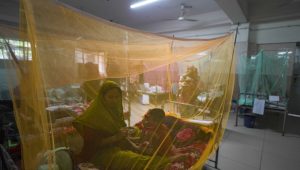
Infants and children are at higher risk because their bodies are less efficient at regulating temperature and they depend on adults for protection. Dehydration can quickly become dangerous or even life-threatening.
Pregnant women are also at risk, as heat and dehydration can increase the likelihood of low birthweight, premature birth and stillbirth. They may also face complications such as early labour, gestational diabetes and hypertension.



Elderly people are more susceptible to heat stress and related health complications due to reduced ability to regulate body temperature.
What to do during a heatwave
Be prepared
Check daily and weekly weather forecasts before planning outdoor activities.
Keep an emergency kit at home that includes oral rehydration salts (ORS), a thermometer, bottled water, towels or cloths for cooling, a handheld fan, and a checklist of heat stress symptoms and response steps.
It is also important to keep contact details of nearby healthcare providers and emergency transport services easily accessible.
Keep your home cool
Keep curtains closed during the hottest hours of the day. Open windows at night to allow cooler air circulation. Use fans or air coolers if available.
Stay out of the heat
Avoid going outside during peak heat hours, typically midday to late afternoon. Plan outdoor activities for early morning or evening. If going outside is unavoidable, use sunscreen, stay in shaded areas, and wear hats or use umbrellas.
Stay cool and hydrated
Drink water regularly even if you do not feel thirsty. Wear light, loose-fitting clothing, preferably cotton, as it helps absorb sweat and reduces discomfort. Use breathable cotton bed sheets. Carry a water bottle and a small towel to cool your neck when needed. If available, use community cooling centres or air-conditioned public spaces.
Special care tips
Infants and children
Watch for signs of heat stress such as excessive thirst, sweating, vomiting, headache or a dry mouth. Seek immediate medical attention if a child develops high fever, dizziness, rapid breathing or becomes unresponsive.
Dress children in light and loose clothing and ensure regular hydration.
Infants under six months should be exclusively breastfed. Children above six months should be given water regularly, and breastfeeding mothers should also stay well hydrated.
Medication should not be given without consulting a healthcare provider if a child is overheated. Children should never be left in enclosed or poorly ventilated spaces such as parked cars or closed rooms. Outdoor play should be limited in extreme heat, with rest breaks every 30 minutes.
Pregnant women
Pregnant women should schedule medical visits and essential tasks during cooler hours of the day. Resting in cooler areas of the home, preferably lower floors if possible, can help reduce heat exposure. Staying well hydrated and taking frequent breaks is important if any activity is necessary.
Excessive physical activity during high temperatures should be avoided. Going outdoors during extreme heat, especially when temperatures exceed 40°C, should be avoided unless absolutely necessary.
Heatwaves are becoming an increasingly serious public health threat. Simple precautions such as staying hydrated, avoiding peak heat, and taking extra care of vulnerable family members can significantly reduce risks.
Awareness, preparation and timely action remain the most effective defence against extreme heat.