In Gulistan, order in Dhaka rarely survives for long. Only weeks after eviction drives cleared parts of the capital’s busiest commercial district, the footpaths and roads are once again overflowing with hawkers, plastic stools, makeshift tables, hanging jeans, cheap shoes, electronics and umbrellas.
What was meant to be a disciplined rehabilitation initiative through “hawker cards” has instead reignited allegations of political patronage, bribery and urban disorder.
The two city corporations, Dhaka North City Corporation and Dhaka South City Corporation, recently rushed to introduce a digital “hawker card” system following criticism over repeated eviction drives.
Officials presented the initiative as a modern solution: a way to regulate vendors, identify legitimate traders and restore order to Dhaka’s overcrowded sidewalks.

But on the streets of Gulistan, the plan has quickly become controversial. Many hawkers allege that obtaining the cards depends less on regulation and more on political connections.
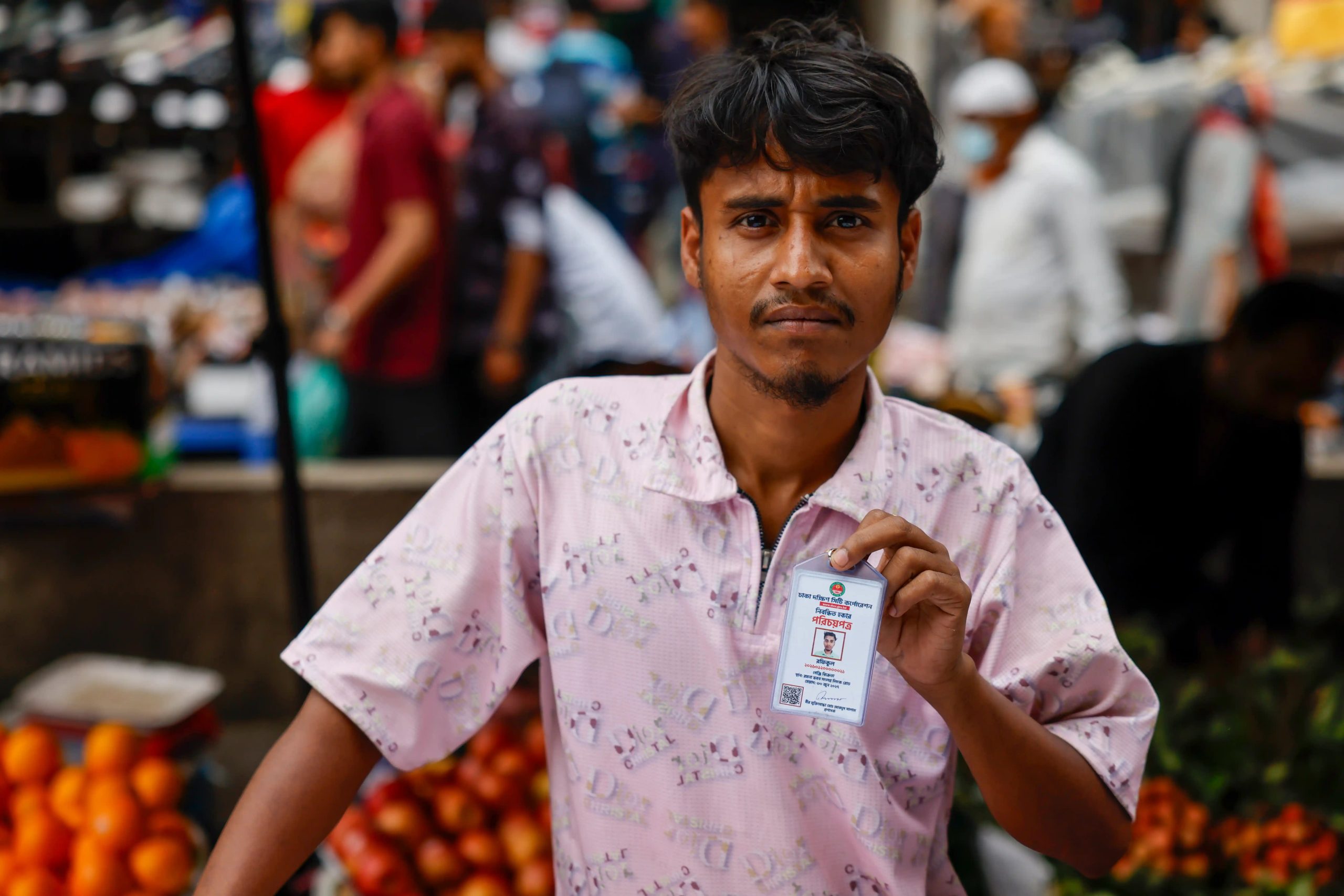
Despite the controversy, over 300 hawkers under the two city corporations have reportedly already received the cards and returned to occupying sidewalks and roads.


The consequences are visible everywhere in Gulistan. Footpaths meant for pedestrians have once again transformed into crowded marketplaces. Shoppers squeeze through narrow lanes of hanging clothing and roadside stalls while buses, rickshaws and motorcycles compete for shrinking road space nearby.
Traffic slows to a crawl, and pedestrians are forced back onto dangerous streets to navigate the chaos.
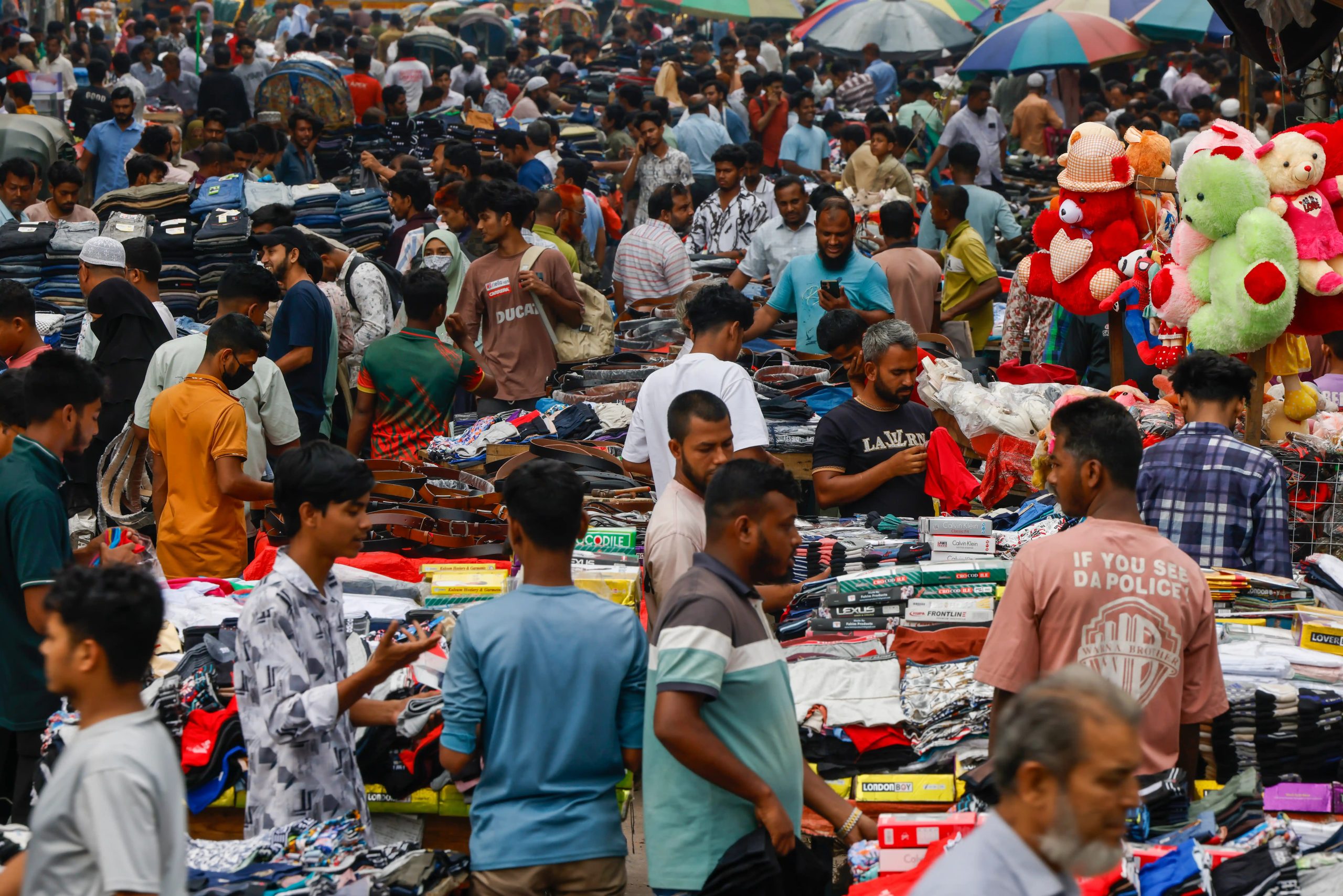
Yet the issue is not as simple as illegal occupation. For thousands of hawkers, Gulistan is survival itself. Formal shop rents remain far beyond their reach, and relocation away from busy commercial zones often means losing customers entirely.
Authorities reportedly allocated spaces as small as four feet by five feet under the rehabilitation plan, a size many vendors say is impractical for displaying clothes, shoes or household goods.
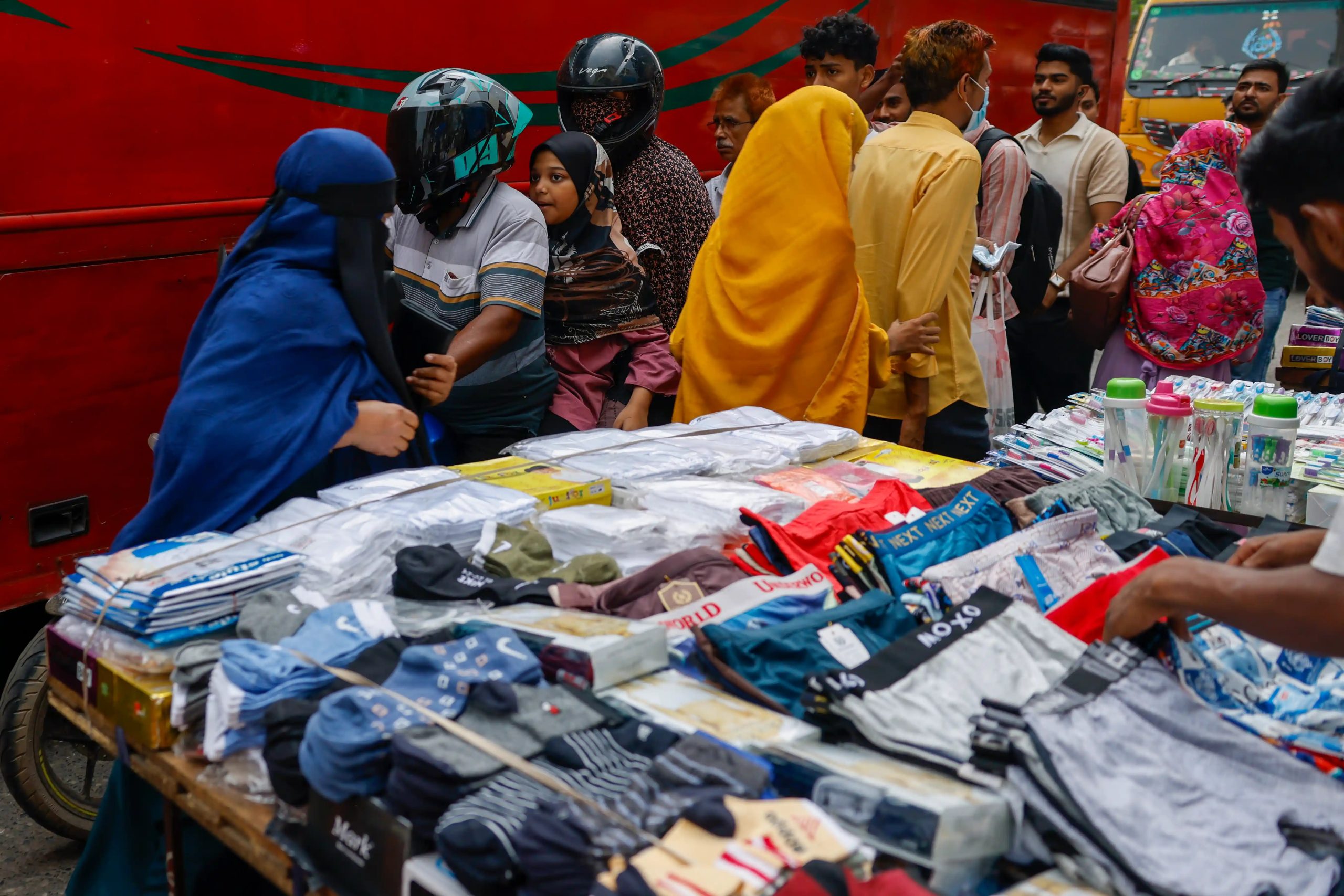
Urban planners warn that Dhaka remains trapped in a familiar cycle: eviction, return and renewed congestion. Without a long-term policy balancing pedestrian rights with the realities of the informal economy, enforcement drives become temporary spectacles rather than sustainable solutions.
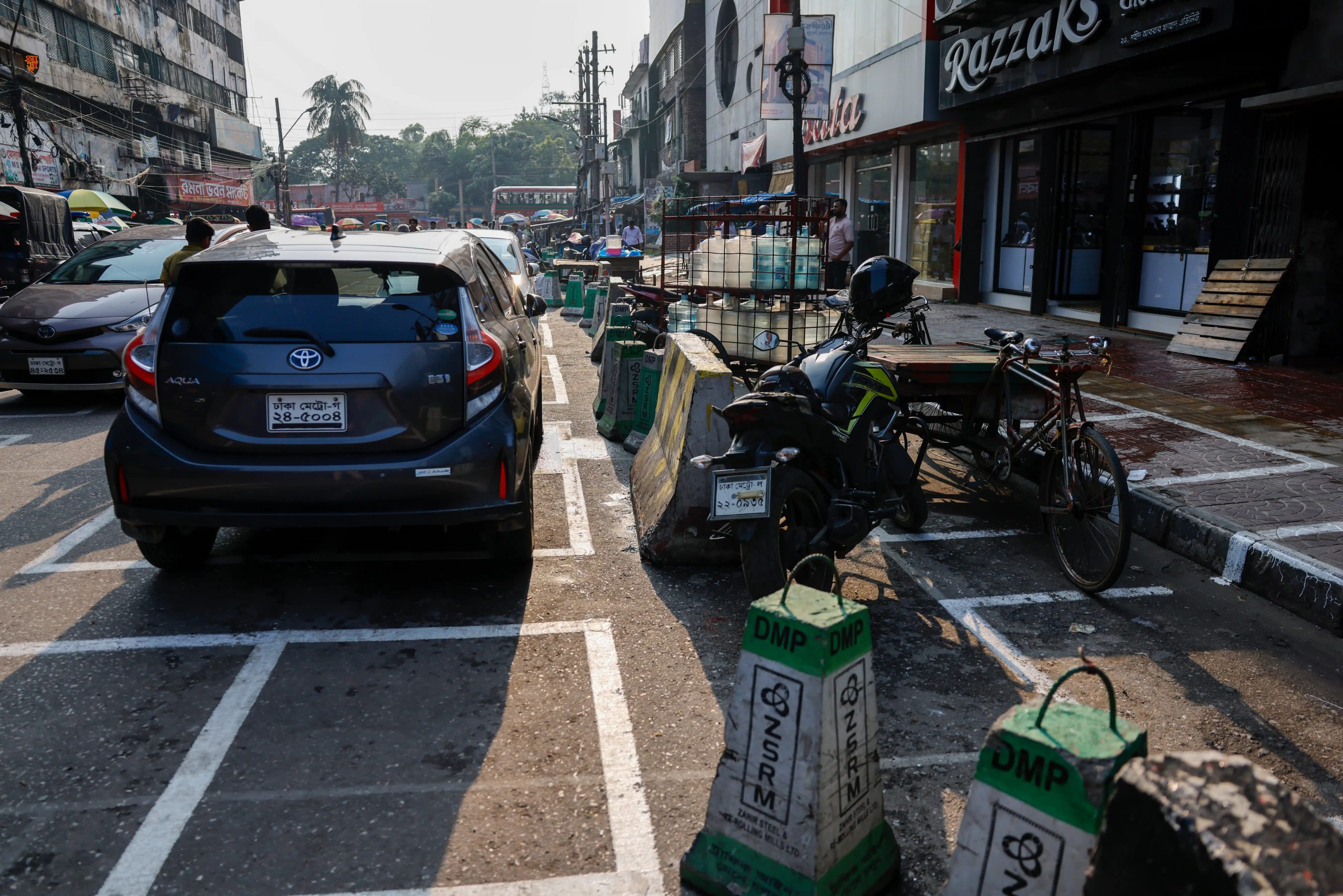
Ironically, some newly marked hawker zones are now reportedly occupied not by vendors, but by illegally parked motorcycles and cars.
Gulistan today reflects the larger contradiction at the heart of Dhaka, a city dependent on its informal economy, yet unable to accommodate it properly. Until that balance is found, the footpaths will keep returning to chaos.