Bangladesh’s cultural landscape is entering a new era of inclusivity and creative awakening under the Ministry of Cultural Affairs. With a focus on representing the nation’s many voices, traditions and artistic expressions, the Ministry is leading a series of transformative programmes designed to unify communities through culture.
Recently, the official Facebook page of the Chief Adviser, Government of Bangladesh, shared a series of photo cards highlighting the cultural initiatives and achievements of the current interim government. The posts received widespread engagement, reflecting growing public interest in the inclusive approach that seeks to bridge communities, celebrate diversity and acknowledge the cultural contributions of all citizens.
The interim government’s endorsement of these programmes, from documenting the struggles and triumphs of history to nurturing new artistic collaborations at home and abroad, aims to strengthen Bangladesh’s identity as a nation that celebrates diversity while honouring its shared past.
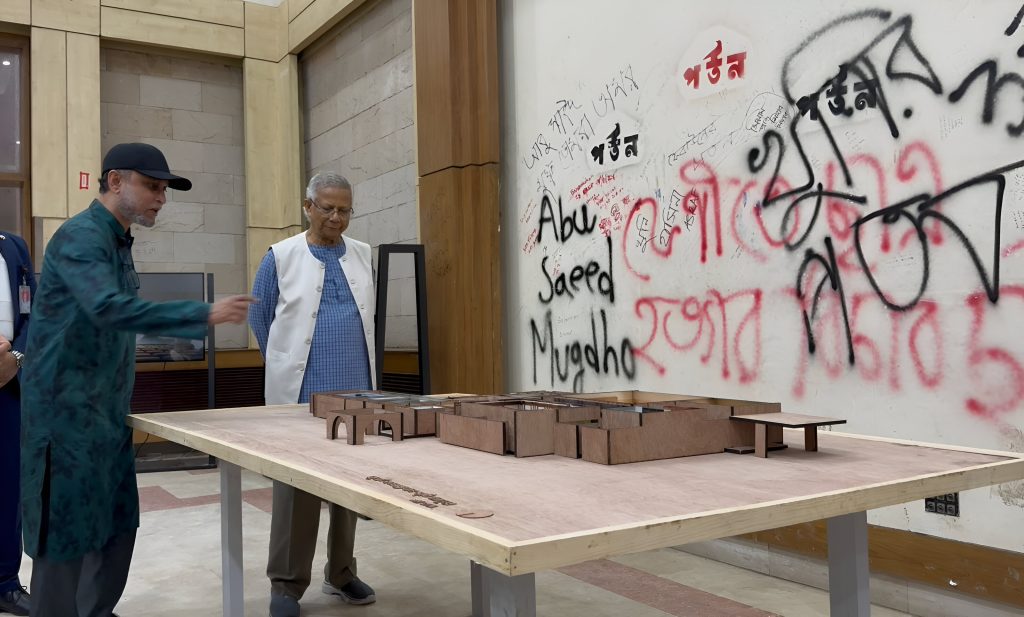
From the upcoming July Memorial Museum, which will document 16 years of oppression and the spirit of the July uprising, to the July Documentary Series chronicling the nation’s turbulent yet resilient journey, these initiatives seek to preserve Bangladesh’s evolving identity for future generations. The museum is expected to open to the public by the end of the year.

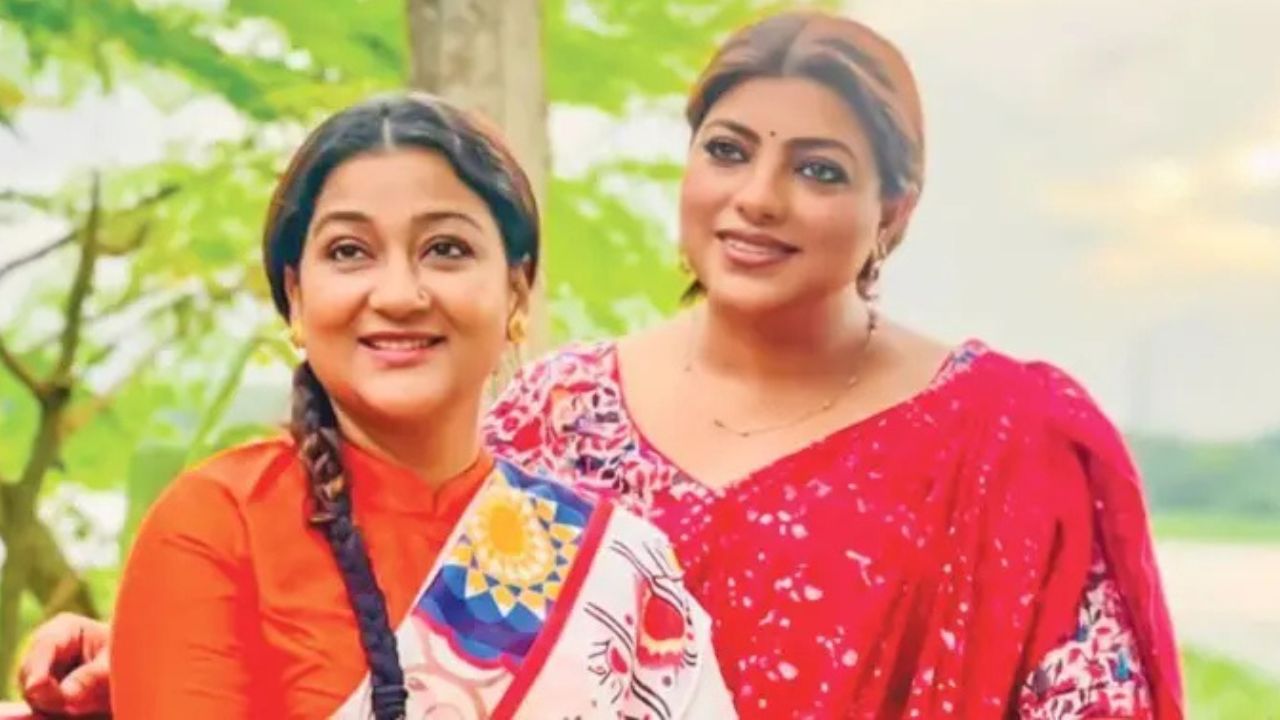
For the first time in the nation’s 54-year history, the Ministry, led by renowned filmmaker Mostofa Sarwar Farooki, facilitated inclusive celebrations of Eid, Durga Puja and Buddha Purnima, with vibrant festivals organised by the Bangladesh Shilpakala Academy.
Preparations are now underway for a Christmas celebration in December, according to the Facebook post.
The inclusive Bangla New Year celebrations, which welcomed participation from all ethnic groups, reflected the renewed spirit of togetherness envisioned during the fall of fascism in July 2024.


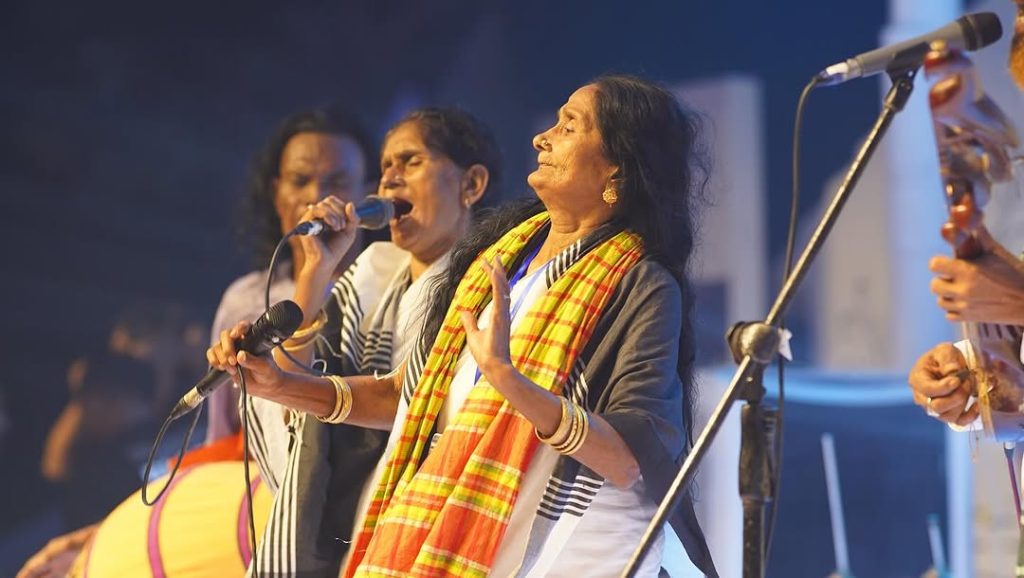
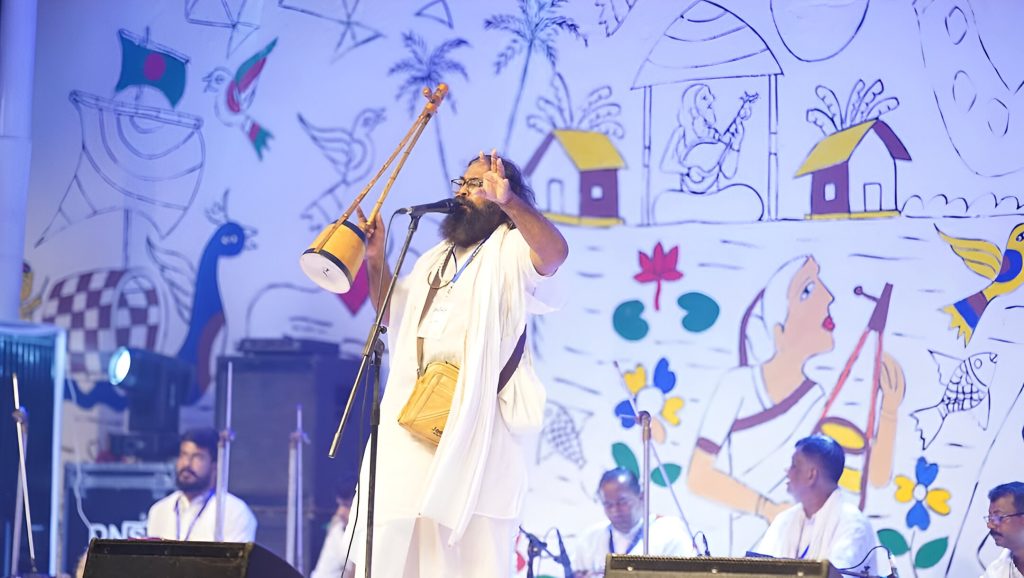
The post added that the cultural revival has taken a musical turn as well, with the death anniversary of Fakir Lalon Shah observed at the national level for the first time, honouring the mystic as a timeless ambassador of Bangladesh’s spiritual heritage.
Plans are also underway to modernise music education across district-level Shilpakala Academies and extend financial incentives to private music schools nationwide, from Bandarban to Kurigram.
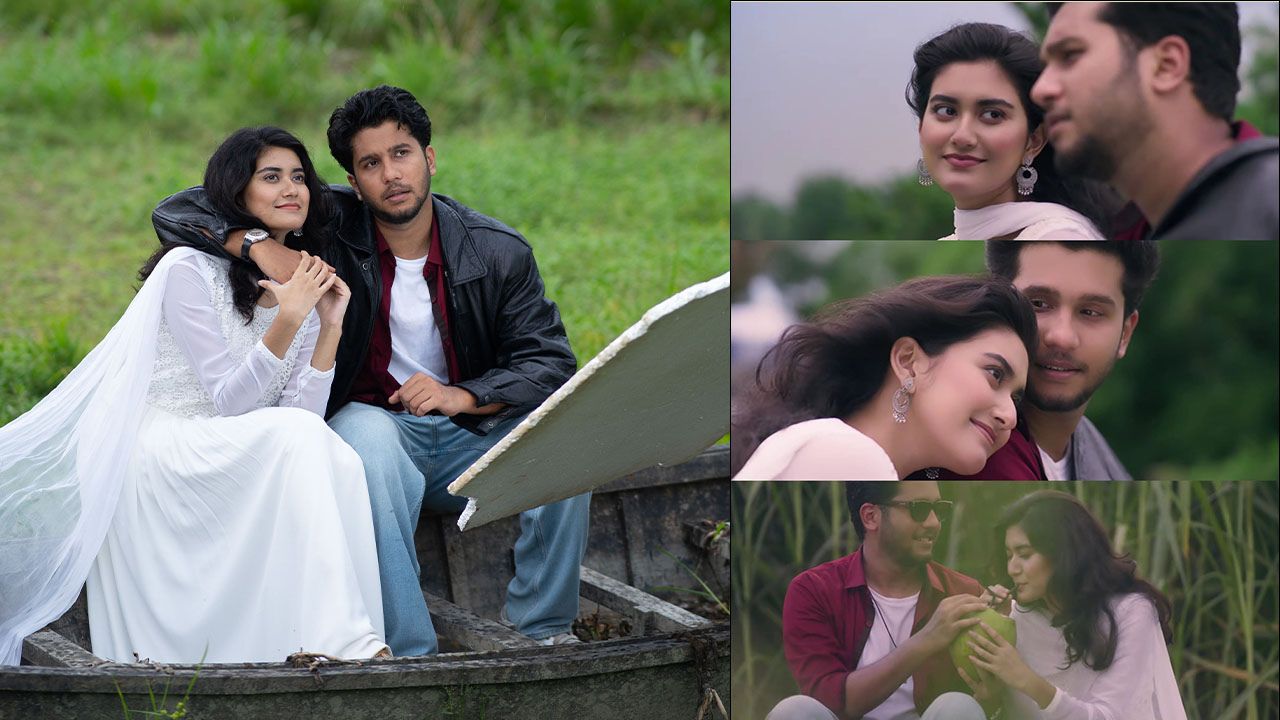
In a bid to globalise local melodies, the Ministry is developing ‘Nodipothe Survromon’ (Voyage of Songs by River), an ambitious audio-visual project documenting regional folk traditions, from Charjapad to the works of Shah Abdul Karim.
The Ministry of Cultural Affairs has already produced over forty documentaries on the July uprising and the long years of authoritarian rule, with several more in production, the post mentioned.
The Ministry has also introduced the Bangladesh July Memorial Prize at the Busan International Film Festival, placing the nation firmly on the global cultural calendar.
Under the Celebrating Bangladeshi Legends series, tributes have been paid to iconic figures such as Sabina Yasmin and Ustad Alauddin Khan.
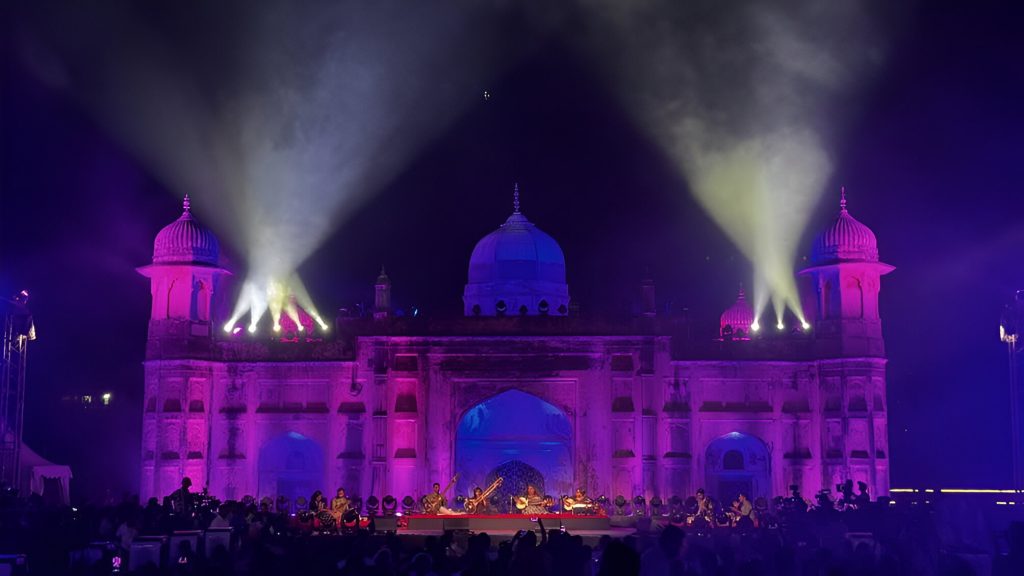
Notably, Alauddin Khan’s memorial concert at Lalbagh Fort blended heritage and modernity, setting a precedent for revitalising archaeological sites as living cultural spaces.
International collaboration remains a strong focus of the Ministry’s agenda. Recent partnerships include art restoration, drone displays and museum management training in China, while new art education scholarships for Bangladeshi students are being introduced at Beacon House through collaboration with Pakistan.
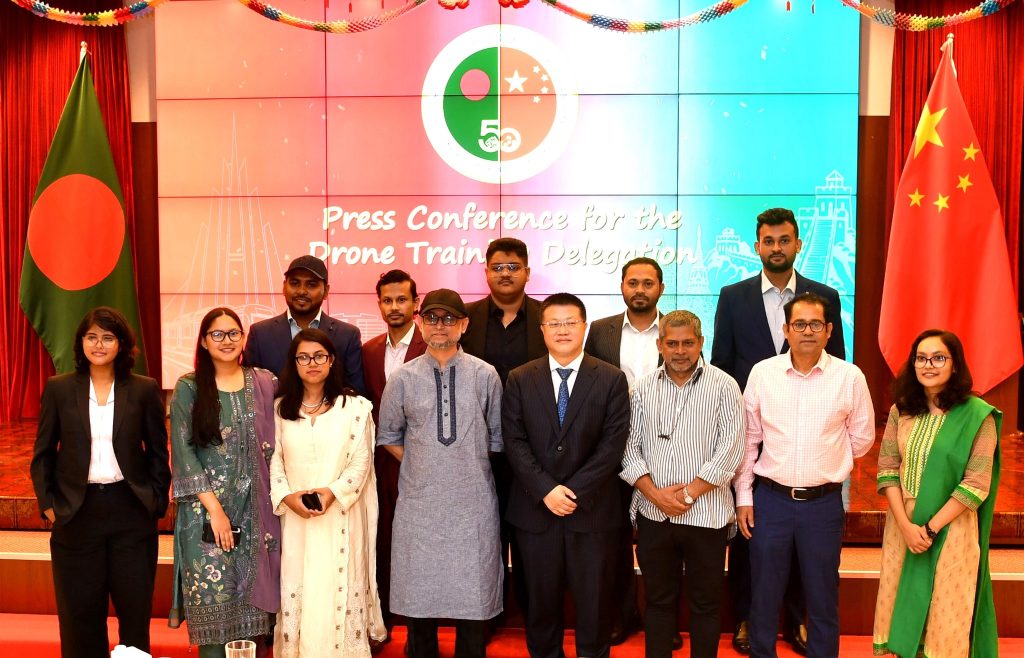
The Bangladesh Shilpakala Academy is also revitalising the Asian Art Biennale and preparing to host three major international festivals dedicated to film, theatre and music, reinforcing Bangladesh’s presence as a cultural hub in South Asia.
At the policy level, work is progressing on the National Cultural Policy 2025, a landmark framework designed to celebrate and sustain Bangladesh’s pluralism.
With upcoming initiatives centred on festivals at archaeological sites, international exchanges and inclusive cultural programming, the Ministry’s ongoing efforts capture a nation reclaiming its narrative through art, memory and shared celebration, building an inclusive Bangladesh, confident in its diversity and creative spirit.