


A pattern of mob pressure that emerged at Bangladesh Bank following the July uprising and the fall of the Awami League government has resurfaced even after the formation of a BNP-led government through the 13th parliamentary election.
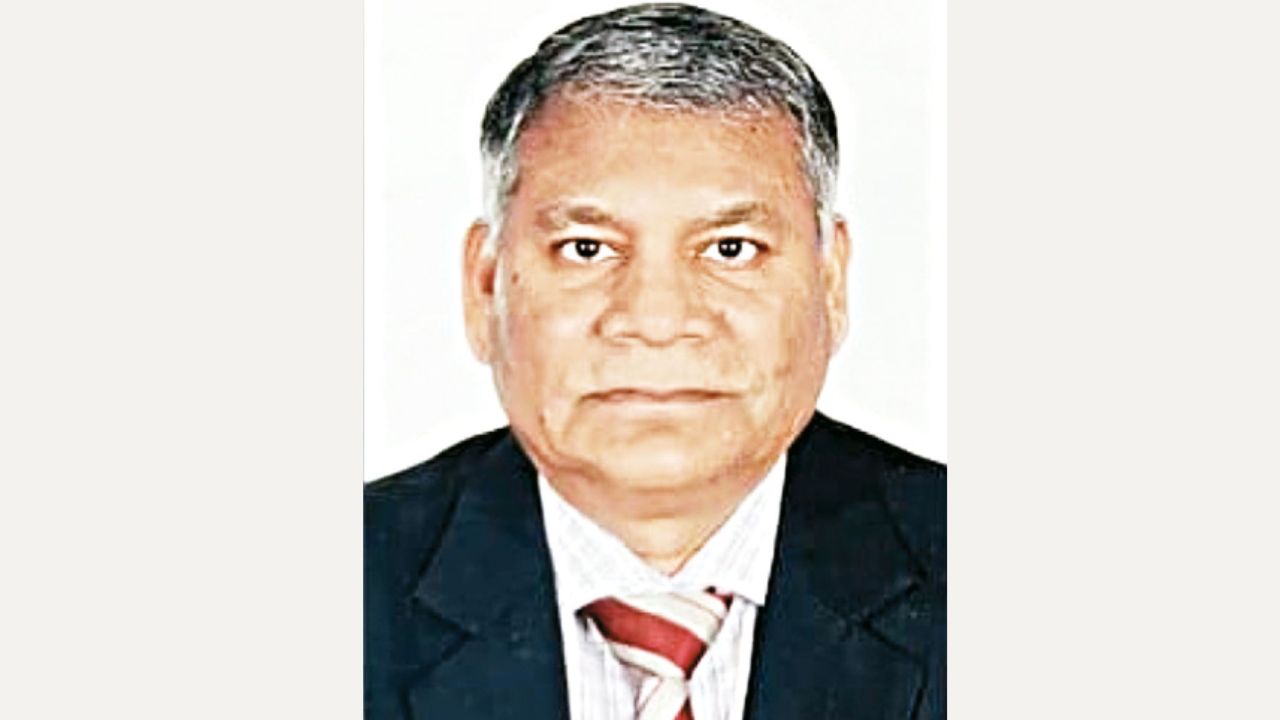
The latest incident forced Ahsan Ullah, an adviser to the governor, to resign after he was driven out of his office during a mob confrontation on February 25.
Central bank sources said Ahsan Ullah submitted his resignation in a letter to Md Mostaqur Rahman on Wednesday.
In the letter, he wrote that following the mob situation at Bangladesh Bank on February 25, he left the central bank premises that afternoon in an official vehicle and returned to his residence in Mirpur.
He noted that after such an unexpected and distressing incident, he no longer felt comfortable continuing in what he described as a dignified position as adviser to the governor.

According to the terms of his contract, the resignation will take effect 30 days from February 25. His tenure in the advisory role had earlier been extended until January 5, 2027.
Ahsan Ullah had served as a regular official of Bangladesh Bank for many years. After retirement, he was appointed several times as an adviser to the central bank.
Most recently, he was brought back as an adviser on banking reforms after Ahsan H Mansur assumed office as governor.
Sources inside the central bank said some of his administrative initiatives had drawn criticism from a section of officials. Among the contentious issues were proposals to introduce an examination-based system for promotions and to reduce staffing in certain positions.




The confrontation occurred on February 25, the same day the government removed Ahsan H Mansur and appointed a new governor.
On that day, tensions escalated at Bangladesh Bank and several senior officials reportedly surrounded Ahsan Ullah, with allegations that he was harassed during the incident. He has not returned to office since then.
The government appointed businessman Md Mostaqur Rahman as the new governor later that day.
The use of mob pressure inside Bangladesh Bank is not unprecedented. Two days after the fall of the Awami League government on August 5, 2024, a mob gathered at the central bank’s headquarters and effectively forced three officials with the rank of deputy governor out of the office.
More than a hundred outsiders were present at the time, including Mahiuddin Roni, one of the coordinators of the Anti-Discrimination Student Movement. Amid the protests, one deputy governor was unable to enter his office at all.
Under pressure from the protesters, two deputy governors and two other officials of equivalent rank subsequently resigned. They included Deputy Governors Kazi Saidur Rahman and Md Khurshid Alam, along with Masud Biswas, head of the Bangladesh Financial Intelligence Unit (BFIU) and policy adviser Abu Farah Md Nasser.
Both Masud Biswas and Abu Farah Md Nasser held positions with the status of deputy governor.
Masud Biswas is currently in jail on corruption charges. Financial irregularities involving Abu Farah Md Nasser and Kazi Saidur Rahman are under investigation by the BFIU and the Anti-Corruption Commission (ACC).
However, no agency has found evidence of wrongdoing against Md Khurshid Alam, who had resigned in the face of mob pressure without any formal allegation.
Sources said Khurshed Alam’s regular service tenure was due to continue until 2026. He had joined as deputy governor in February 2024 on the basis of seniority, leaving his previous regular position to assume the role.
Meanwhile, economist Sadiq Ahmed resigned on Wednesday from the Monetary Policy Committee of Bangladesh Bank.
He is vice chairman of the Policy Research Institute and a former senior official of the World Bank. Former governor Ahsan H Mansur previously served as executive director of the institute.