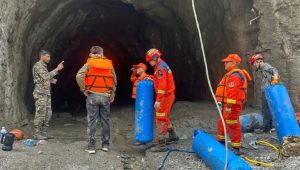
Indonesia’s restless Ring of Fire has once again turned violent, as Mount Dukono erupted this week, leaving behind a trail of death, destruction, and fear on Halmahera Island in North Maluku.
The eruption, which occurred early Friday morning, May 8, sent a towering column of ash nearly 10 kilometres into the sky, according to Indonesia’s volcanology authorities. The sudden blast caught several hikers in a restricted zone despite repeated warnings about heightened volcanic activity.
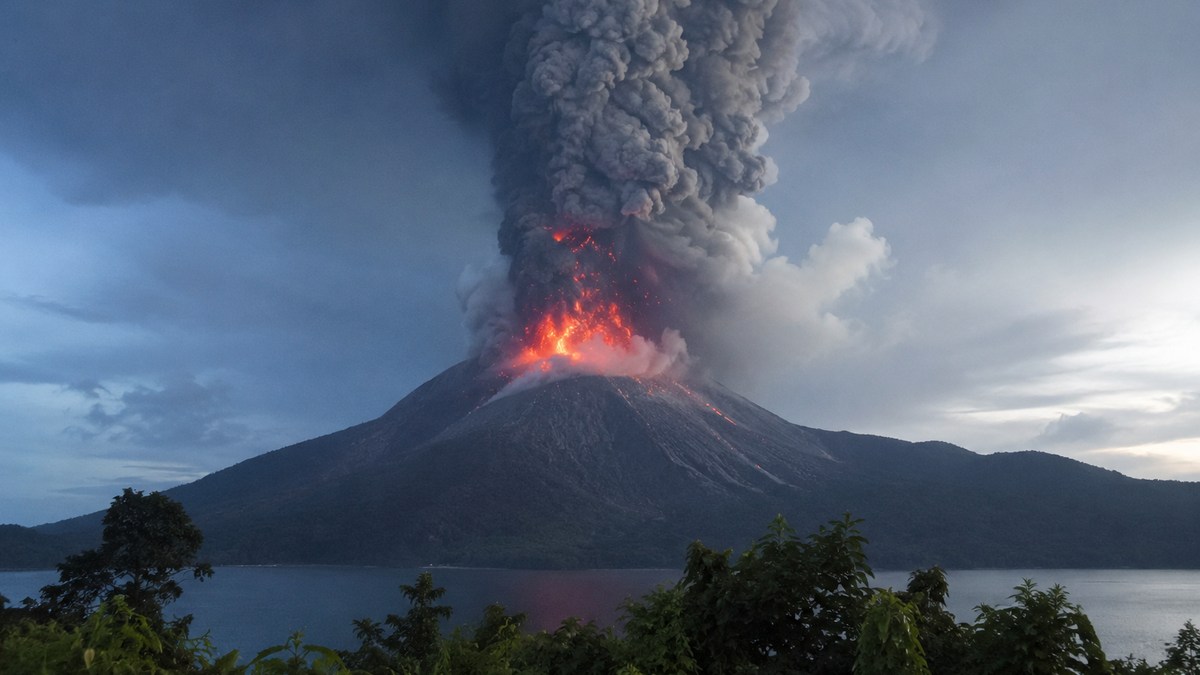
Officials confirmed a death toll of at least three people, including two foreign nationals from Singapore and one Indonesian citizen, who were trapped near the summit when the eruption intensified. Several others were briefly reported missing before rescue teams managed to locate and evacuate most members of the group under extremely hazardous conditions.

The immediate destruction was severe in the upper slopes of the volcano. Emergency teams described thick layers of ash blanketing vegetation, reduced visibility to near zero, and unstable ground conditions caused by ongoing seismic tremors. Small rockfalls and hot ash surges made evacuation efforts slow and dangerous.
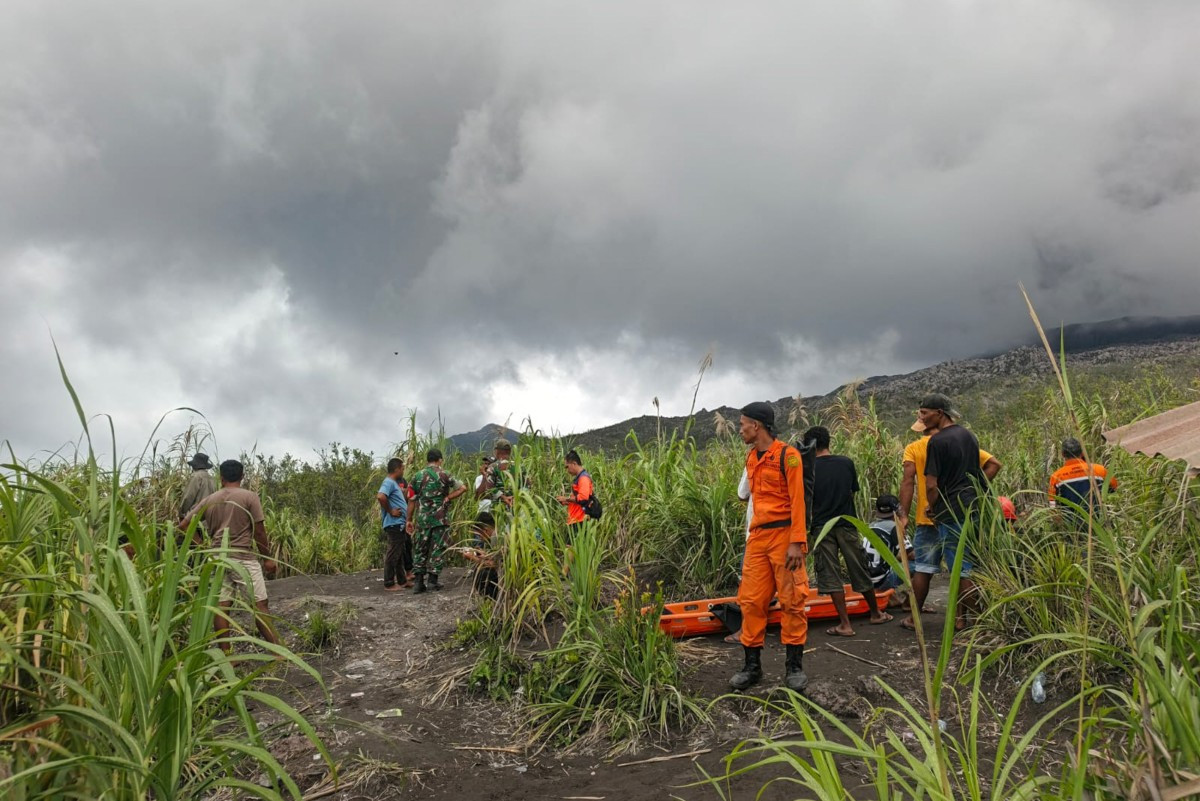
Local authorities have reported widespread ashfall across surrounding villages, forcing residents to wear protective masks and stay indoors.




Agricultural land in nearby areas has also been affected, with early assessments indicating crop damage from heavy ash deposits. While no major settlements lie directly in the highest-risk zone, transportation and daily life in parts of North Maluku have been disrupted.
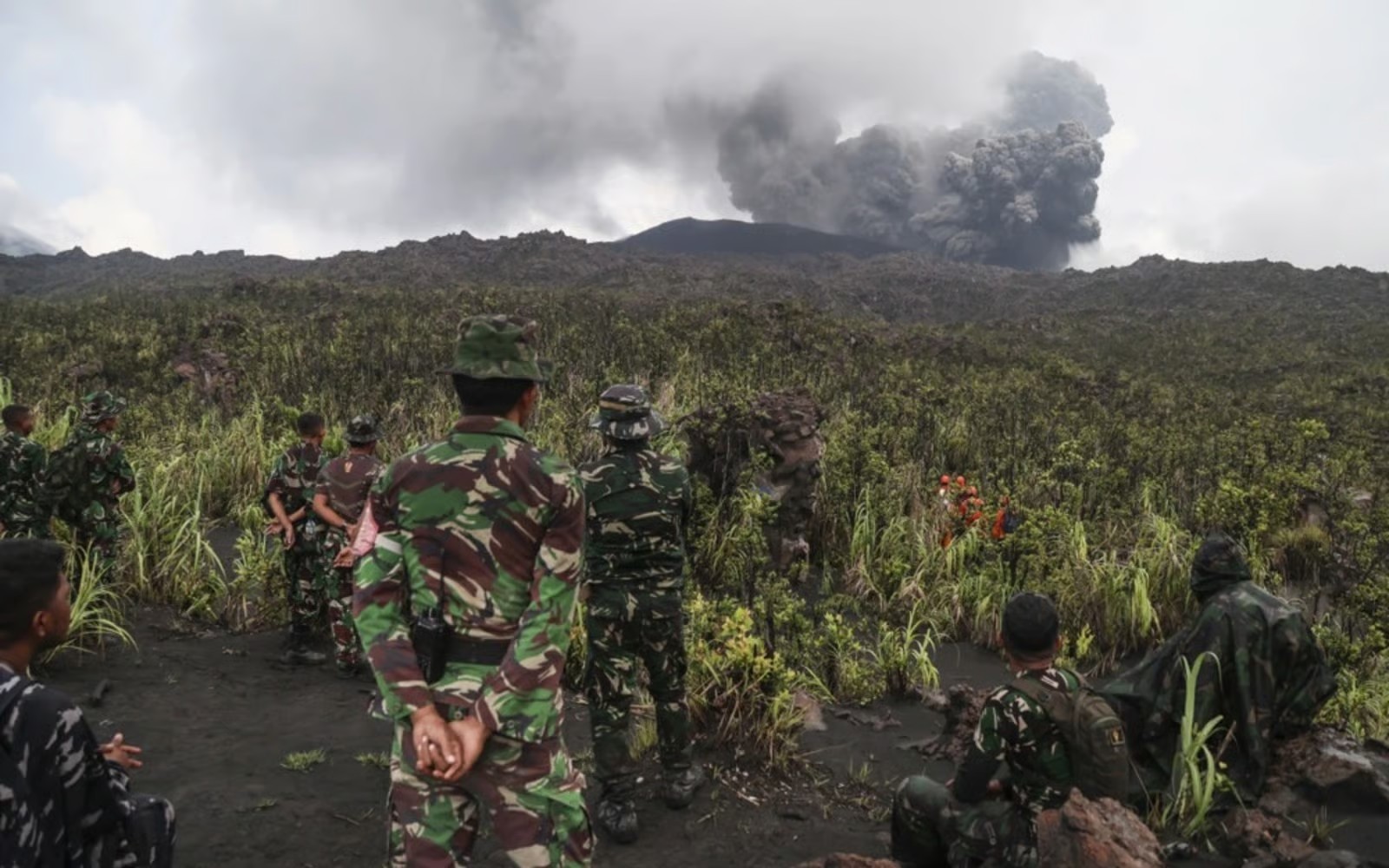
Search and rescue officials confirmed that although most hikers were safely evacuated, the operation remained tense for hours due to continuing volcanic activity. Helicopter support was limited by ash clouds, and ground teams had to navigate unstable terrain.
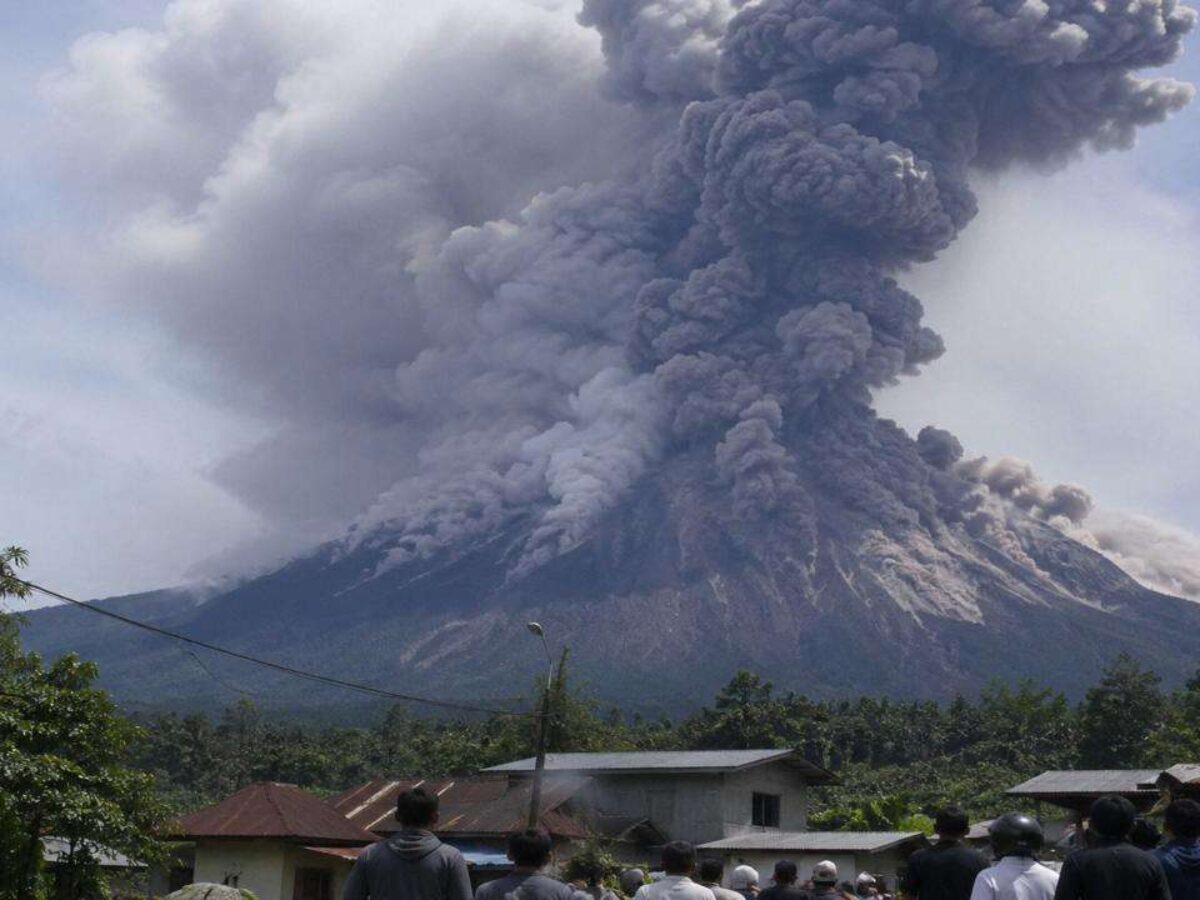
Mount Dukono, one of Indonesia’s most persistently active volcanoes, is part of the Pacific “Ring of Fire,” a region responsible for frequent seismic and volcanic events. Indonesia itself hosts more than 120 active volcanoes, making eruptions a recurring threat to life and infrastructure.
Authorities have since restricted access to the volcano and raised alert levels, warning that further eruptions remain possible. This latest disaster underscores a harsh reality: in Indonesia, the ground beneath can shift without warning, turning breathtaking landscapes into zones of sudden and deadly destruction.