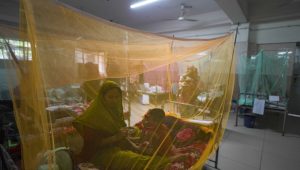
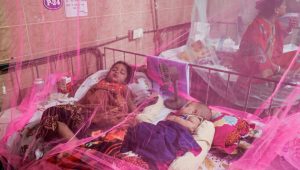
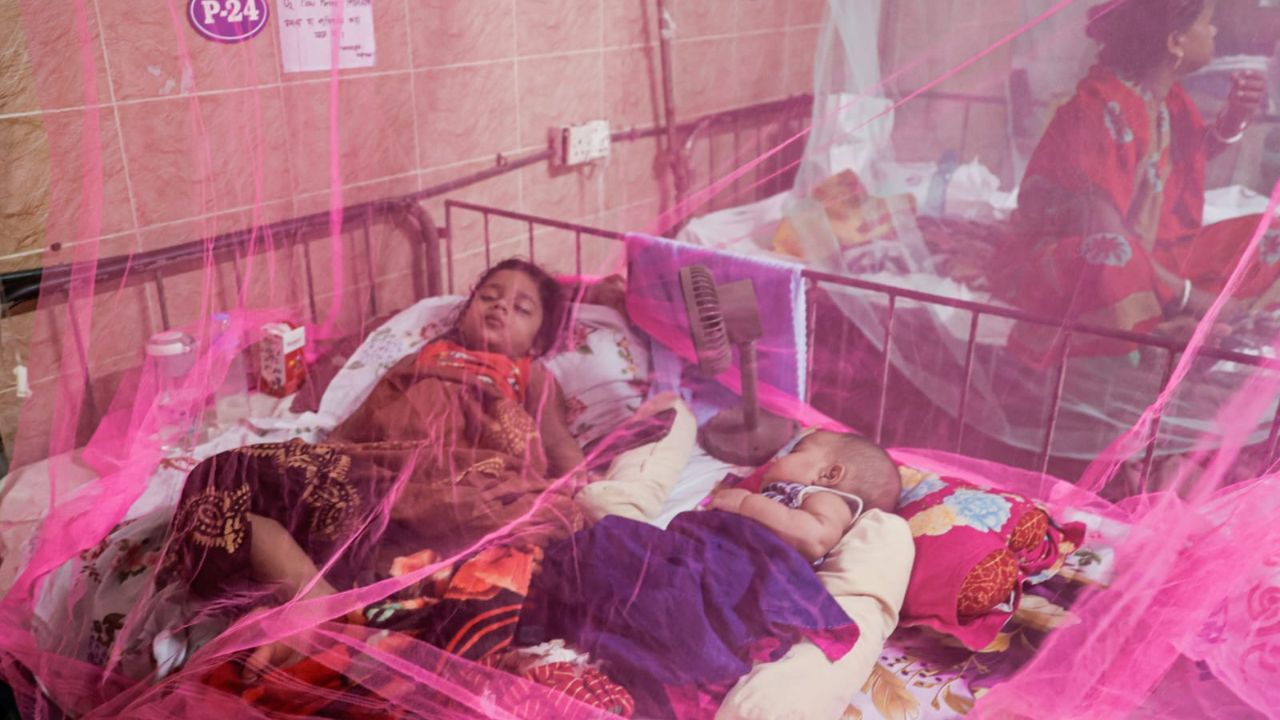
Ten-month-old Mohammad is lying in a bed at Bangladesh Shishu Hospital & Institute after days of worsening illness.
His mother, Pinky, said the symptoms first appeared as what they believed was a simple allergy.
“We did not understand it was measles at first,” she said.
He was initially admitted to Lakshmipur Sadar Upazila Health Complex, where he spent six days receiving treatment for fever and pneumonia-like complications linked to a blood infection.
However, his condition did not improve, prompting the family to travel to Dhaka in search of further care.
Doctors later diagnosed measles and advised that he needs intensive care unit (ICU) support.
But Pinky says the cost is beyond their means.
“We are poor people. How can we afford ICU treatment?” she said, sitting beside her child, tears streaming down her face.
Pinky’s words reflect the struggle many families face during the ongoing measles outbreak, particularly those from poorer backgrounds travelling to the capital for treatment.
For many, access to measles care is shaped not only by medical need but also by financial hardship and caregiving responsibilities.

The crisis has emerged as hospitals report a sharp rise in measles infections, with doctors warning of growing pressure on paediatric wards and a steady increase in deaths linked to complications.
Data from Bangladesh Shishu Hospital & Institute show that 130 cases were recorded in March alone, with 14 new infections detected in the past 24 hours.
At present, 56 children are undergoing treatment at the hospital, where three deaths have already been reported.
In another ward of the Shishu Hospital, four-year-old Alif is being carried by his mother, Falguni, a domestic worker, after four days of illness.
Doctors have prescribed treatment and advised possible admission, but she remains uncertain.
“The child’s father is sick and bedridden. If I admit my son, who will look after his father?” she said.


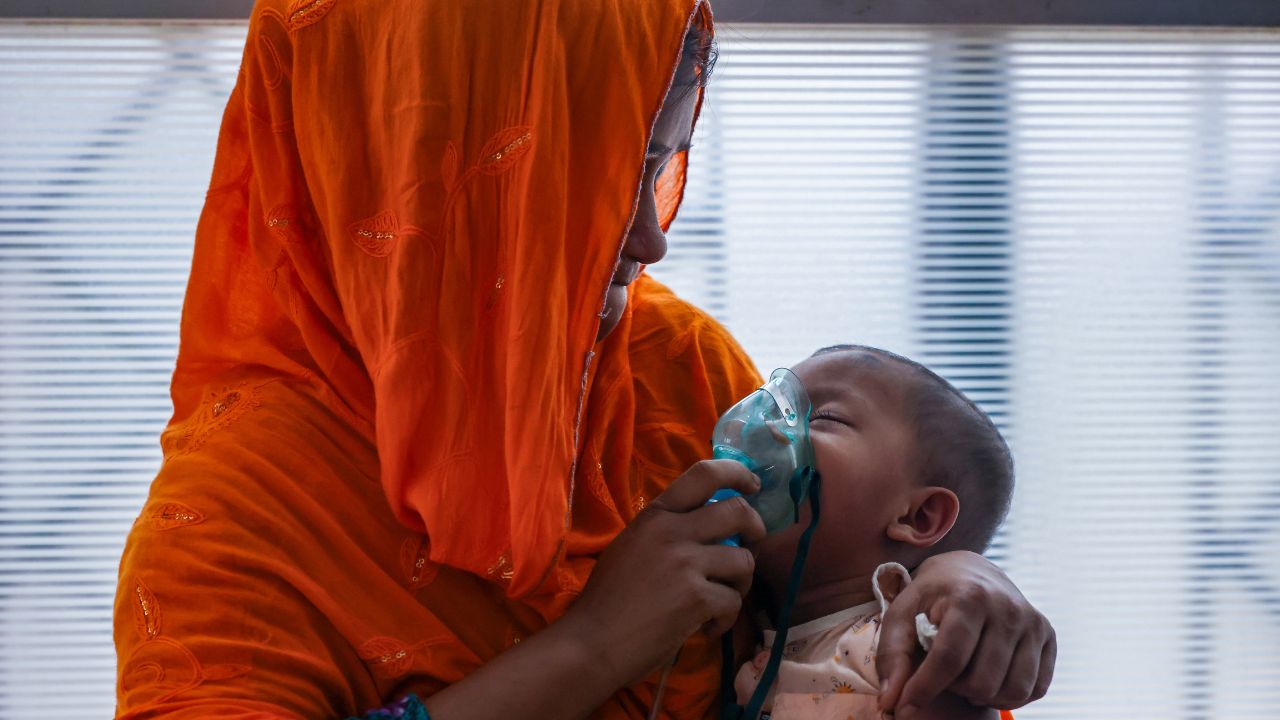
Falguni said she is staying in isolation with her son and a younger child, as measles continues to spread easily among close contacts.
Public health experts warn that strict isolation is critical to containing the outbreak.
Measles has an extremely high transmission rate, with one infected person capable of spreading the virus to 18 to 20 others, said Prof Benazir Ahmed.
“We must ensure isolation, especially at ward level,” he said.
“If full isolation is not possible, even partial separation using cloth or barriers can help. Otherwise, cases will continue to rise and we may not realise who is infected, leading to unnoticed spread.”
“The way measles is spreading now, it is like an epidemic. To manage it, we need a contingency plan,” he added.
Hospital records reviewed over the past week indicate that 56 children died from measles nationwide in March, reflecting the scale of the outbreak.
Health Services Division Secretary Md Kamruzzaman Chowdhury said 15 measles-related deaths had been confirmed in Rajshahi and surrounding areas.
Speaking at a press briefing at the Secretariat on Wednesday, he said laboratory tests supported by the World Health Organization (WHO) on 33 samples found a direct link between measles infection and all 15 deaths.
He added that most of the fatalities were reported in the Rajshahi region, where monitoring has now been intensified.
Asma, another mother, shared a quieter but familiar experience.
Her son Rafsan, admitted to the specialised measles unit, developed a fever shortly after she returned home one day.
Cough and cold soon followed, and she brought him to the hospital last Tuesday.
Doctors have told her recovery will take time.
For now, his condition is stable, but uncertainty remains.
Behind these individual cases, doctors say pressure on the system is increasing.
Duty doctor Riazul Islam said patient numbers have risen compared to previous days.
“Some patients recover and return home, but many arrive in serious condition. Often they need ICU support,” he said.
He added that ICU capacity is limited.
When beds are unavailable, families are advised to seek treatment elsewhere, but not everyone can afford or manage that.
“If they stay, we continue treatment with our best effort, but there is always some risk,” he said.
Data from the Expanded Programme on Immunization (EPI) show that measles vaccine coverage in 2025 dropped to 57.1%, the lowest in eight years.
Coverage for MR-1 and MR-2 vaccines had remained around 90% between 2017 and 2024 but fell below 60% in 2025.
In response to the sharp rise in measles cases, the government is set to launch an emergency vaccination campaign starting next Sunday.
The announcement was made on Wednesday at a press briefing at the Secretariat by Health Minister Sardar Md Sakhawat Hossain.
He said the special campaign will begin in upazilas with the highest infection rates and will later expand nationwide, covering all children aged six months to 10 years.