BNP Secretary General Mirza Fakhrul Islam Alamgir on Sunday called upon the public and political parties to resist what he termed a “vested quarter,” which he alleged is attempting to create anarchy ahead of Monday’s verdict in the case against “fascist Hasina for committing genocide.”
“Verdict in the trial against fascist Hasina will be delivered Monday. Extreme uncertainty and fear are now prevailing across the entire country because of this,” Fakhrul stated at a discussion on Sunday.
The BNP organised the programme at the Jatiya Press Club, marking the 49th death anniversary of Moulana Abdul Hamid Khan Bhasani, a legendary politician and one of the architects of Bangladesh’s independence.
Speaking at the event, he further claimed that a vested quarter is conspiring to use this moment to push Bangladesh back into chaos. “We must stand firm and resist them,” he declared.
The BNP leader said the country’s people, particularly students, had created an opportunity to restore democracy and people’s rights. “We must not waste this opportunity. We must work to make the path towards democratic transition easier.”

He urged all political parties to unite on the question of establishing democracy and to move forward towards the coming election. “Guided by the ideals of Maulana Abul Hamid Khan Bhasani, we must work to establish democracy in this country.”
The International Crimes Tribunal-1 (ICT-1) is set to deliver its verdict on Monday in the case against deposed prime minister Sheikh Hasina and her two top aides, who face five counts of crimes against humanity linked to last year’s deadly student-led uprising in Dhaka during July–August.
Fakhrul said the country’s politics had now fallen into a state of uncertainty, with “contentious” elements entering the political arena that the people of Bangladesh could never have imagined.


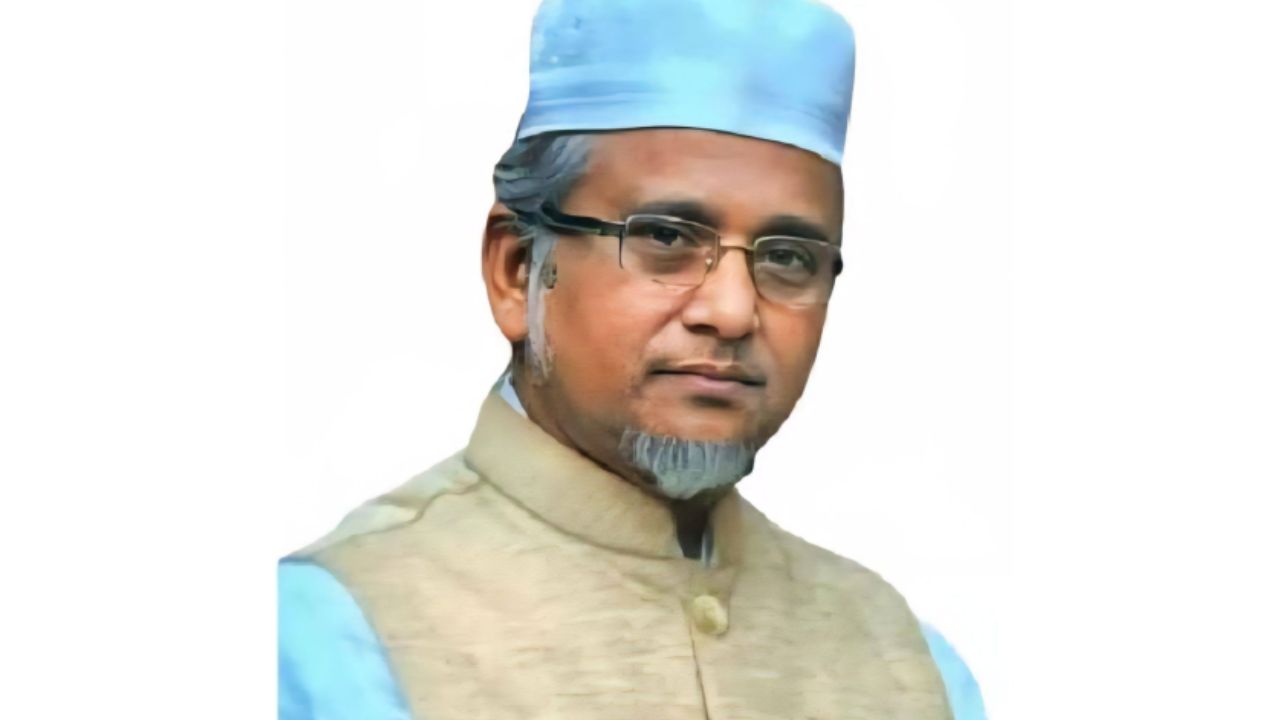

He stated it was unfortunate that the country now faces a crisis due to poor politics practised by some parties.
The BNP leader reiterated that elections are the only path to a transition to democracy. “An election is the only way through which we can move towards democracy and reflect the people’s aspirations.”
Despite confusion, frustration and uncertainty, he said a possibility had now emerged that the national election would be held on 26 February.
Fakhrul, however, warned that certain quarters are still deliberately trying to create uncertainty in the country by raising various demands with the intention of obstructing, halting or delaying the election.
“But the people of this country now need one thing above all – an elected government that has public support,” he said.
Fakhrul urged all political parties to support the election process instead of making efforts to derail the polls, for the sake of the country and its people. “Support the election so that the people can express their opinion, their belief, and elect their representatives through this vote.”
He warned that the economic situation is deteriorating daily and would worsen further without an elected government. “The law-and-order situation is already bad, and without an elected government it will deteriorate even more.”
Fakhrul recalled how Bhasani devoted his entire life to fighting for the rights of the oppressed and deprived, living very simply as a lifelong champion of the people.
He urged BNP leaders and workers to read books on the life and work of Bhasani and to follow his ideals.
Fakhrul also recalled that Bhasani had recognised in Ziaur Rahman a leader capable of changing the country’s fate, had blessed him, and had encouraged NAP leader Mashiur Rahman Jadu Mia to work alongside Zia.