Bangladesh’s construction sector is being urged to adopt circular economy principles to address the pressing challenges posed by rapid urbanisation and environmental impact.
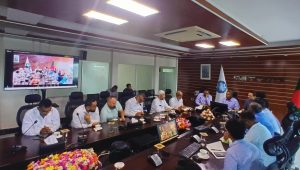
On March 29, 2026, a high-level workshop titled “Circularity in the Built Environment” was held in Dhaka, gathering key stakeholders from the government, development partners, academia, and the private sector. The event focused on promoting low-carbon, resource-efficient building practices in Bangladesh’s fast-growing housing and office construction sectors.
Organized by the Ministry of Housing and Public Works (MoHPW) in partnership with the United Nations Environment Programme (UNEP), the United Nations Office for Project Services (UNOPS), and the United Nations Human Settlements Programme (UN-Habitat), the workshop is part of a major project funded by the German Federal Ministry for Economic Cooperation and Development (BMZ).

The event, held at the Renaissance Dhaka Gulshan Hotel, emphasized the role of circular economy principles in reducing carbon emissions, optimizing resource use, and ensuring the resilience of the built environment. The workshop also aimed to build stakeholders’ capacity to implement these practices across Bangladesh’s construction sector.
Md. Sarwar Alam, Additional Secretary of MoHPW, highlighted the construction sector’s significant role in the nation’s development. However, he also stressed the environmental challenges posed by the sector’s resource-intensive methods. “Bangladesh’s rapid urbanisation will increase demand for construction materials, putting pressure on natural resources and increasing waste. This makes the adoption of circular practices urgent,” Alam said.




Ulrich Kleppmann, Head of Development Cooperation at the German Embassy, echoed the importance of circularity, calling it not only an environmental necessity but also a major economic opportunity. “The construction sector’s transition to a circular economy requires systematic change—innovation, regulatory frameworks, and collaboration between all sectors,” Kleppmann said.
Sudhir Muralidharan, UNOPS Country Manager for Bangladesh and Bhutan, noted that Bangladesh’s heritage of reusing materials provides a strong foundation for the circular economy. However, he pointed out that rapid urbanisation is generating waste from aging buildings, which could become a major environmental issue if not handled properly.
A panel discussion titled “How Can We Make the Circular Economy Systemic in Bangladesh’s Built Environment?” featured policymakers and industry leaders from organizations such as RAJUK and PKSF, exploring ways to scale circular practices in the sector.
This initiative is part of a broader effort to integrate low-carbon materials into Bangladesh’s construction industry, strengthen green building frameworks, and align the sector with the country’s climate commitments, including future Nationally Determined Contributions (NDCs).
The workshop marks a critical step towards building a more sustainable, resource-efficient, and resilient infrastructure system in Bangladesh, with cross-sector collaboration playing a key role in shaping the country’s future built environment.