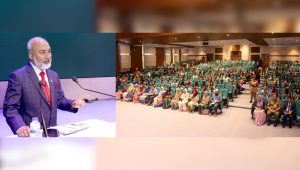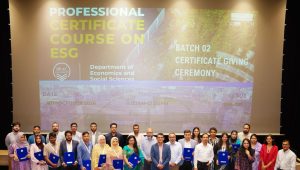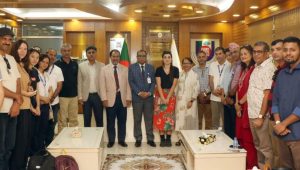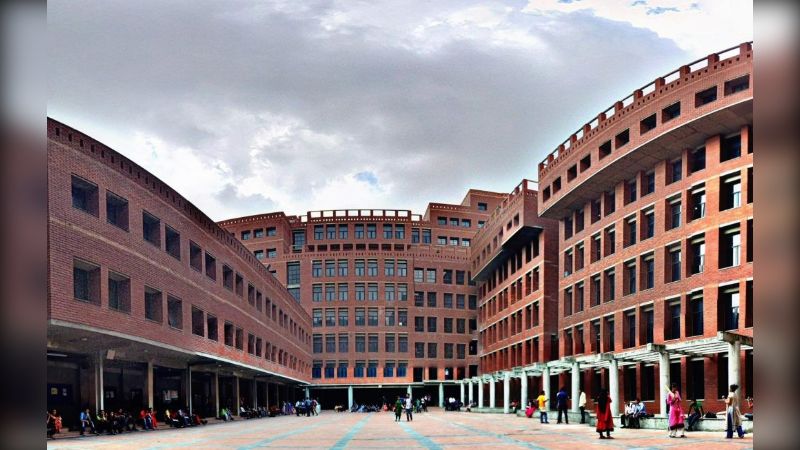



Bangladesh must move beyond a low-cost labour-dependent economy and strengthen citizen-led institutions to achieve sustainable change, economist and BRAC Chairman Hossain Zillur Rahman said at a public lecture organised by East West University (EWU).
Speaking at the lecture titled ‘What Drives Change: Today’s Questions’ at EWU’s Manzur Elahi Auditorium on Thursday, Rahman identified six drivers of change — narratives, institutions, norms, initiatives, power and interest groups — and said their positive and negative influences shape the country’s economic and social direction.
Rahman said Bangladesh needs to reduce its reliance on readymade garments and remittances and build a more diversified economic structure. He said the country has struggled to embed democratic principles in state practices and has not been able to fully utilise its demographic dividend.

He called for a shift in the concept of the state, saying it should be viewed as a service provider for citizens rather than an institution above them. He also stressed the need to improve professionalism among local experts, strengthen education quality with long-term planning and promote social norms based on cleanliness and transparency.
Drawing parallels with major historical turning points in 1947, 1971 and 2024, Rahman said citizens’ continued aspiration for change remains Bangladesh’s greatest strength. He said citizen-led innovation and grassroots initiatives have repeatedly helped address national challenges.




“The ultimate key to change lies in the hands of the citizens,” Rahman said.
Presiding over the event, EWU Board of Trustees Chairman Mohammed Farashuddin said the benefits of national development have not adequately reached vulnerable and voiceless groups.
He called for greater attention to healthcare and education for disadvantaged communities and urged steps to reduce the growing gap in social equity.
EWU Vice-Chancellor Shams Rahman delivered the welcome address at the event. Members of the university’s board of trustees, faculty members, students, officers and staff attended the lecture.