
Kabir Hossain
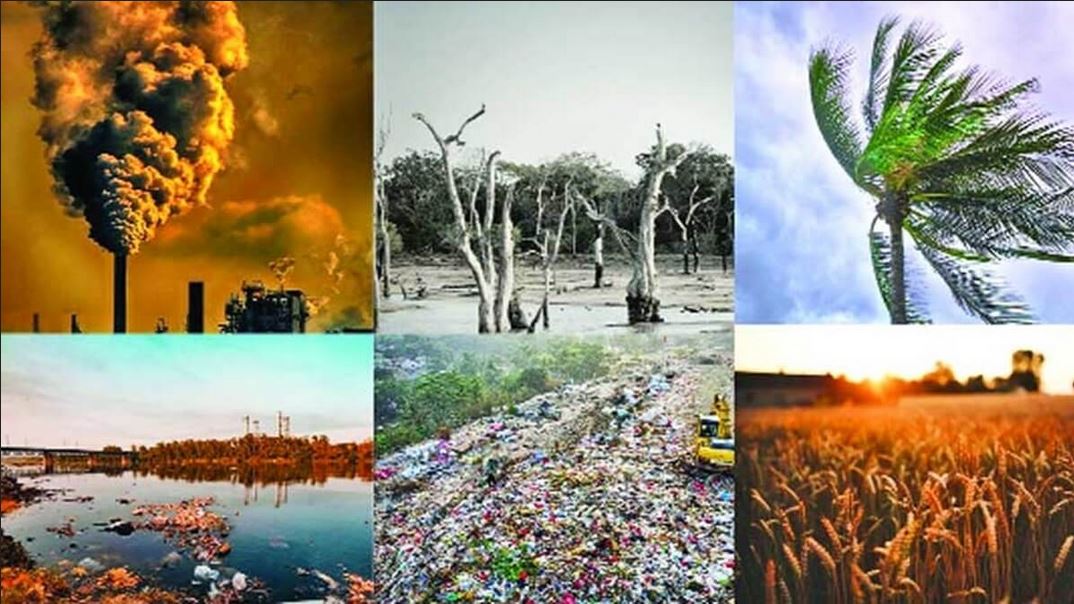
Bangladesh, home to over 170 million people, stands at the frontline of climate-induced disasters. Located on a low-lying delta intersected by major rivers and bordering the Bay of Bengal, the country faces a barrage of natural hazards – cyclones, floods, landslides, fires, and the looming threat of earthquakes each year.
Historic tragedies underscore the immense human cost: the 1970 cyclone claimed half a million lives, the 1991 cyclone killed more than 138,000, and recent storms like Cyclone Amphan (2020) and Cyclone Remal (2024) continue to inflict widespread damage. Climate change is intensifying these threats, placing ever-greater strain on communities, infrastructure, and national development.
Traditionally, disaster management in Bangladesh has followed a government-led, top-down model. While central coordination remains critical, it is now abundantly clear that disaster risk reduction cannot rely solely on government machinery. The scale and complexity of modern-day crises demand a shift toward a whole-of-society approach, one that brings together all sectors and levels of society in unified preparedness and response.
A whole-of-society approach recognizes that building disaster resilience is not the sole responsibility of any single ministry or agency—it is a shared commitment. Government, the private sector, civil society, academia, the media, and citizens must all work together to prepare for, respond to, and recover from disasters.

This inclusive and integrated strategy ensures that no group, especially the most vulnerable, is left behind. It also harnesses the unique strengths of each stakeholder: local knowledge, technical expertise, private sector innovation, academic research, and grassroots mobilization. It reflects a fundamental shift from traditional, top-down disaster management to an inclusive model. The goal is clear: no single agency or sector can manage disaster risk alone, resilience must be built collaboratively. This is reflected in national and international agendas and frameworks such as the Sustainable Development Goals (SDGs) and the Sendai Framework for Disaster Risk Reduction (SFDRR) 2015-2030 as well as the country’s Disaster Management Act 2012, the Standing Orders on Disaster (SOD) 2019, and other key disaster management policies and acts.
The Bangladesh Preparedness Partnership (BPP), led by the Ministry of Disaster Management and Relief (MoDMR) with technical support from the Asian Disaster Preparedness Center (ADPC) and funding from the Gates Foundation, is pioneering this shift to a whole-of-society approach in Bangladesh. BPP is supporting the operationalization of SOD 2019, aiming to significantly bolster the country’s disaster preparedness and response efforts.
In a significant move toward strengthening preparedness and resilience, six key ministries and departments have joined hands with BPP. These include the MoDMR, the Department of Disaster Management (DDM), the Cyclone Preparedness Programme (CPP), the Fire Service and Civil Defense (FSCD), the Local Government Division (LGD), and the Department of Women Affairs (DWA). This inter-ministerial collaboration reflects a growing commitment of the government to a more integrated and coordinated disaster management approach.



Alongside the government, academic institutions like the University of Dhaka, through its Institute of Disaster Management and Vulnerability Studies (IDMVS), and BRAC University, through its Department of Disaster Management and Environmental Studies (DDMES), are working with BPP to conduct research and develop knowledge to inform evidence-based disaster risk reduction strategies.
The private sector is also actively contributing. The Federation of Bangladesh Chambers of Commerce and Industry (FBCCI), the apex trade organization in the country, is collaborating with BPP to establish Disaster Management ‘Safety Cells’ within the district chambers of commerce. These cells are designed to support local businesses in preparing for and responding to disasters effectively.
Moreover, non-government organizations (NGOs) and civil society organizations (CSOs) with extensive grassroots networks are engaged in building the capacity of local stakeholders. Their efforts particularly emphasize the inclusion of women and vulnerable groups, ensuring that disaster preparedness and response efforts are inclusive and community-driven.
To support daily coordination and facilitate communication among all stakeholders, a high-level BPP Mobilization Desk has been established at the MoDMR. This desk operates under the leadership of an Additional Secretary and includes a seven-member committee comprising Joint Secretaries and Deputy Secretaries from relevant ministries and departments.
All partners convene every two months to discuss strategy, review ongoing activities related to disaster preparedness, and assess policy measures to ensure alignment with evolving needs and challenges.
Current efforts are also contributing to the activation of the Disaster Management (Fund Operation) Rules 2021, with a focus on stronger monitoring and community accountability mechanisms. Efforts are underway to activate the country’s 65 Disaster Management and Information Centers (DMICs), many of which remain underutilized. These facilities must become active hubs for early warning, data-sharing, and public engagement.
A comprehensive study was recently conducted by IDMVS through BPP to support policy development and planning, including the upcoming National Plan for Disaster Management (NPDM) 2026-2030. Local stakeholders in disaster-prone districts such as Bagerhat, Kurigram, and Cox’s Bazar have already been mobilized through inclusive training on SOD 2019 and Disability-Inclusive Search and Rescue. These efforts aim to ensure that women and marginalized groups can participate meaningfully and that vulnerable communities receive adequate support.
Looking ahead, Bangladesh must build a shared vision for disaster preparedness rooted in equity, decentralization, and trust. The whole-of-society approach is not just policy; it is a national necessity. It strengthens governance, builds partnerships, and equips communities to lead. Most importantly, it ensures that in the face of growing climate threats, no one is left behind.
In today’s context of cascading risks and compounding disasters, such multisectoral collaboration is not just good practice, it is a national necessity.
The writer is a climate change and disaster preparadeness expert and a consultant at ADPC Bangladesh