Since independence in 1971, Bangladesh has walked a turbulent path toward representative governance. From the euphoria of the first general election to the controversies and boycotts of more recent polls, the country’s electoral history mirrors its political trials, triumphs, and transformations.
Each vote cast has been more than a choice of leaders. It has reflected public hope, political unrest and the nation’s evolving struggle to balance power, accountability and democratic ideals.
Across twelve parliamentary general elections, Bangladesh has witnessed sweeping victories, disputed results, and historic transfers of power. These elections not only chart the rise and fall of political parties but also reveal the enduring tension between democratic aspiration and institutional reality.
1973- The first election, March 7
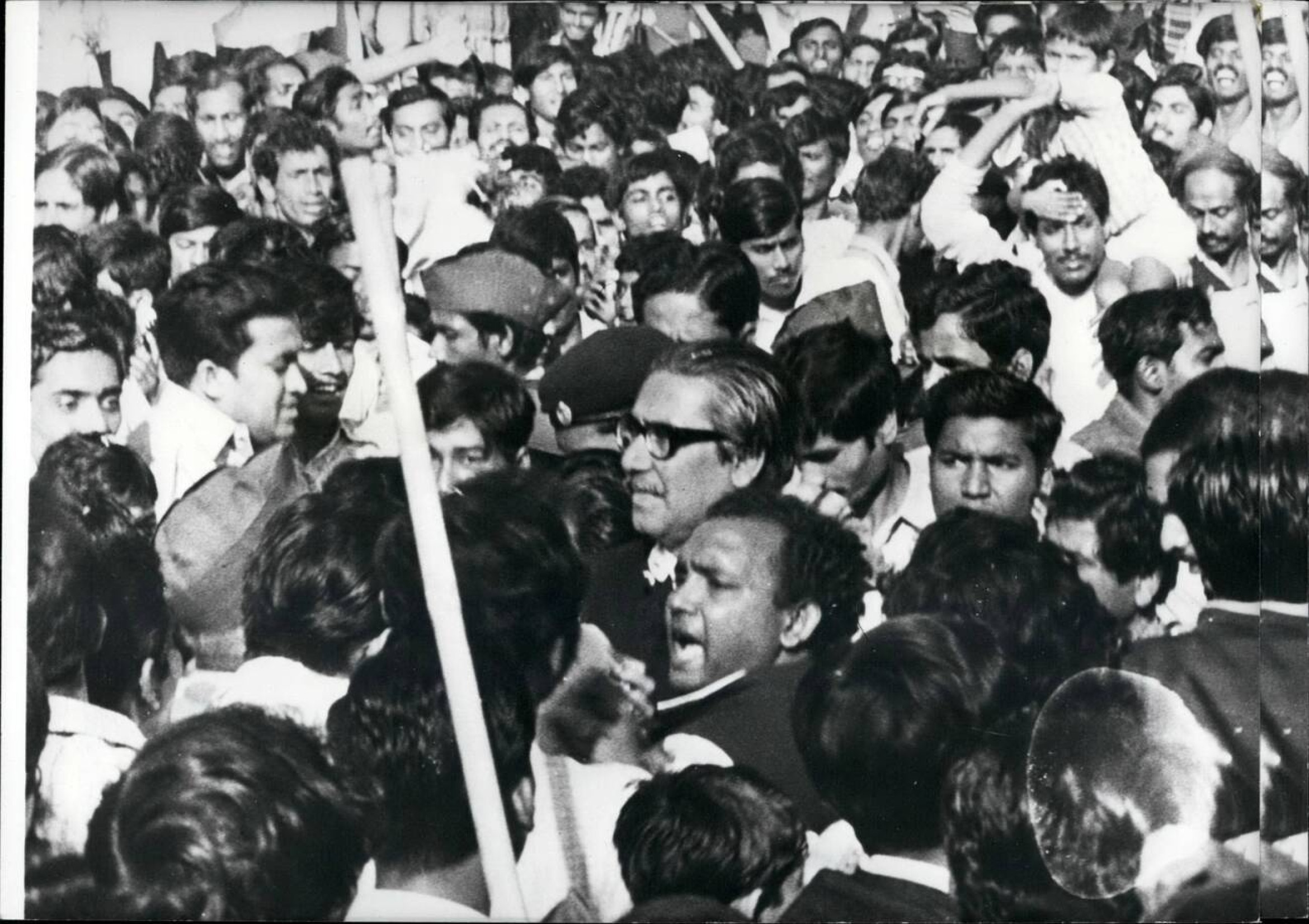
Bangladesh’s first general election came two years after liberation. The Awami League (AL), led by Sheikh Mujibur Rahman, swept 293 of 300 seats, establishing early dominance in parliamentary politics. For a fledgling nation, this election was both a celebration of independence and the start of democratic governance.

1979- BNP’s first victory, February 18
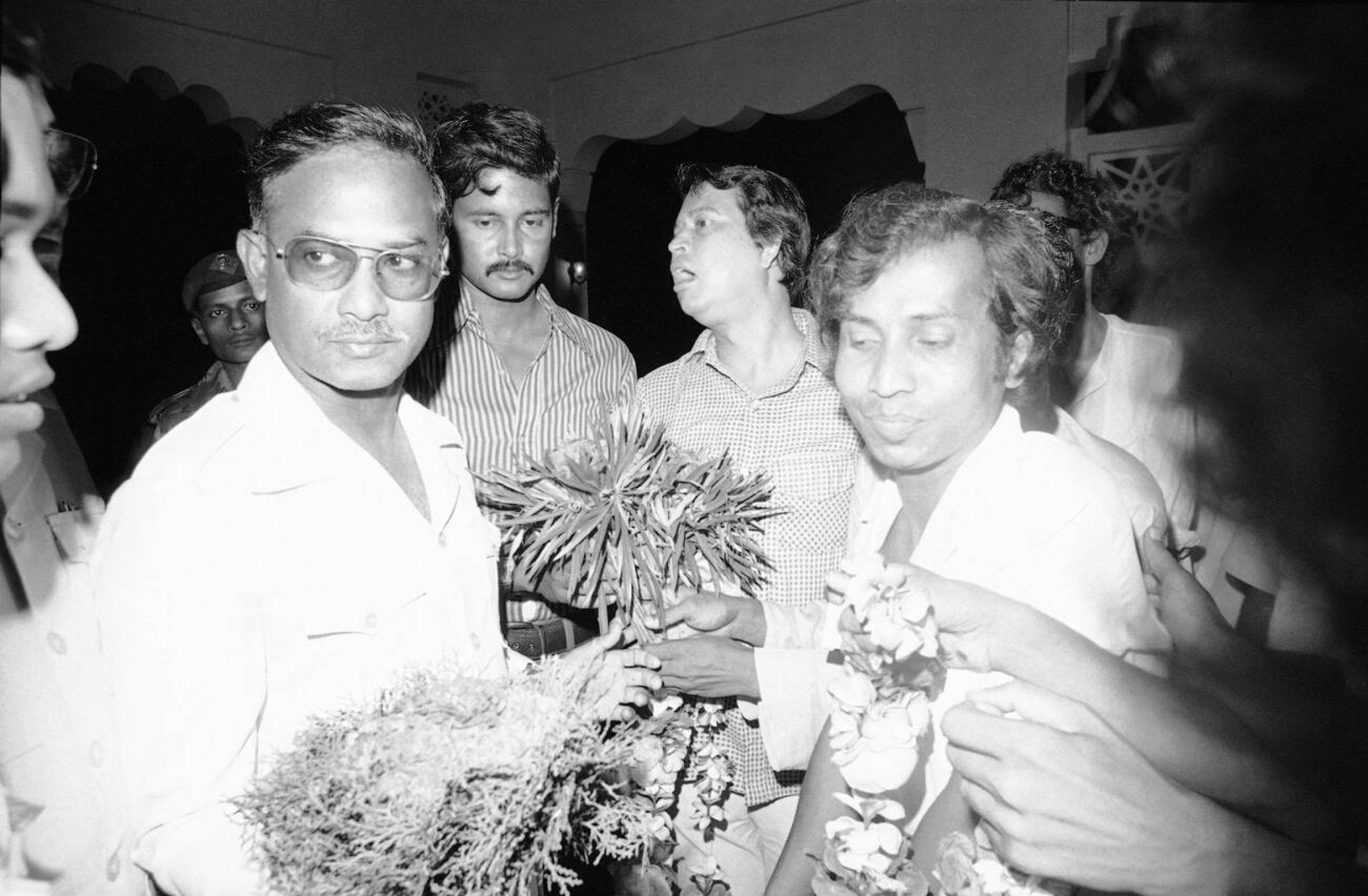
After political turmoil and the assassination of Mujibur Rahman in 1975, the Bangladesh Nationalist Party (BNP), led by Ziaur Rahman, secured 207 of 300 seats, marking a shift in political power and signalling the rise of the two-party dynamic between BNP and AL.
1986- Ershad’s rule begins, May 7
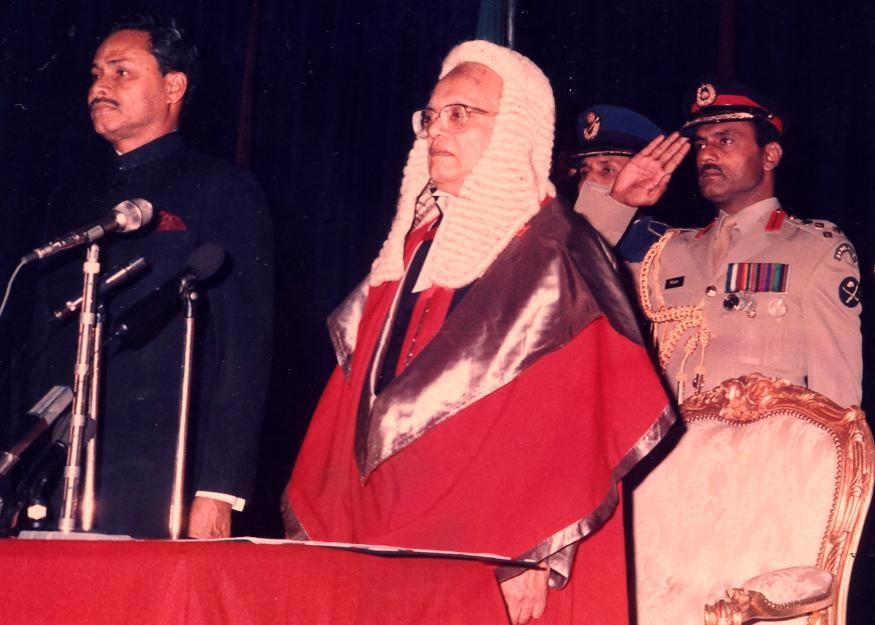
Under military ruler Hussain Muhammad Ershad, the Jatiya Party emerged victorious amid boycotts and controversy. While elections were held, fairness was questioned, highlighting the tension between authoritarian control and democratic forms.
1988- Boycott and controversy, March 3
Another election under Ershad saw Jatiya Party dominance, but widespread opposition boycotts meant the polls lacked credibility. These elections reflected the fragile state of democracy under military influence.




1991- Return to democracy, February 27
A watershed moment in Bangladesh’s political history, this election marked the return to parliamentary democracy. BNP won a clear majority, and AL became the main opposition. The 1991 polls are remembered as one of the first relatively free and competitive elections after years of authoritarian rule.
1996- Boycott and crisis, February 15
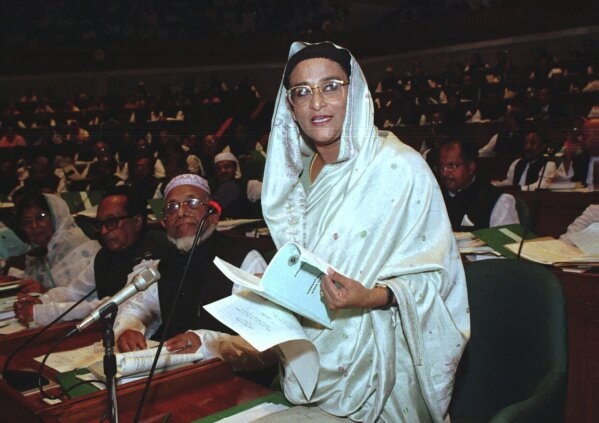
Major opposition parties, including AL, boycotted the election, resulting in an extremely low turnout. BNP claimed victory, but widespread unrest led to the dissolution of parliament and a call for fresh elections.
1996- AL’s return under caretaker system, June 12
A second election in the same year, conducted under a neutral caretaker government, restored credibility. Awami League returned to power, reinforcing the importance of impartial oversight for credible elections.
2001- BNP comes back, October 1
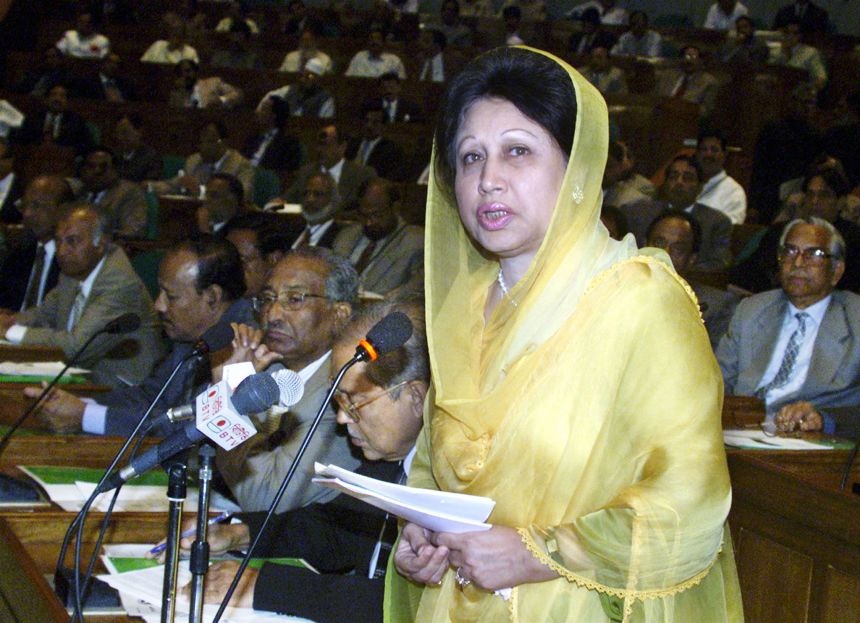
Under the caretaker system, BNP and its allies won decisively. This peaceful transition demonstrated the caretaker system’s role in strengthening voter trust and ensuring electoral fairness.
2008- AL alliance, December 29
After years of political instability, the Awami League-led alliance secured a landslide victory. High voter turnout and a broad mandate marked this election as one of the strongest democratic exercises in Bangladesh’s history, though some debates.
2014- Political polarisation, January 5
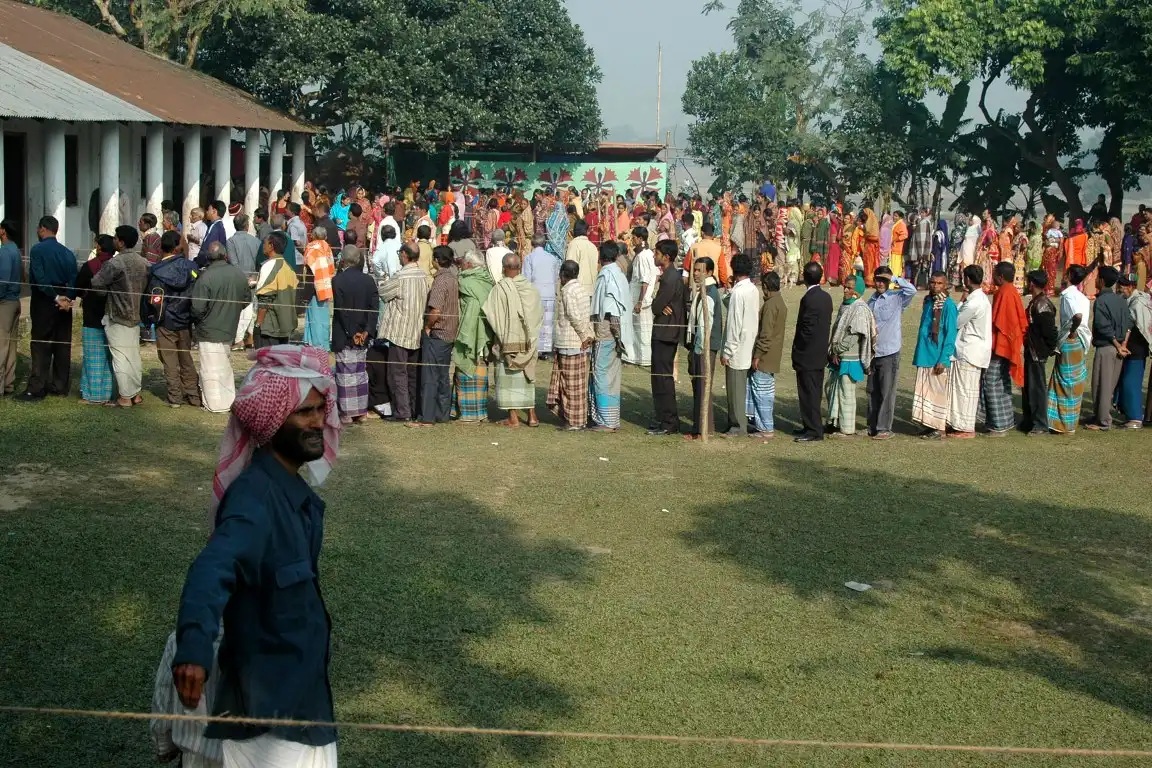
Boycotts by major opposition parties, including the BNP, led to many uncontested seats. Awami League dominated, but questions of legitimacy and participation reflected growing political polarisation. It was called the Nighttime election.
2018- Polarisation continues, December 30
Same as the previous term, the Awami League-led alliance won amid allegations of administrative influence, irregularities and fake votes. The polls underscored concerns over fair competition and the shrinking space for opposition.
2024- Dictator’s wish, January 7
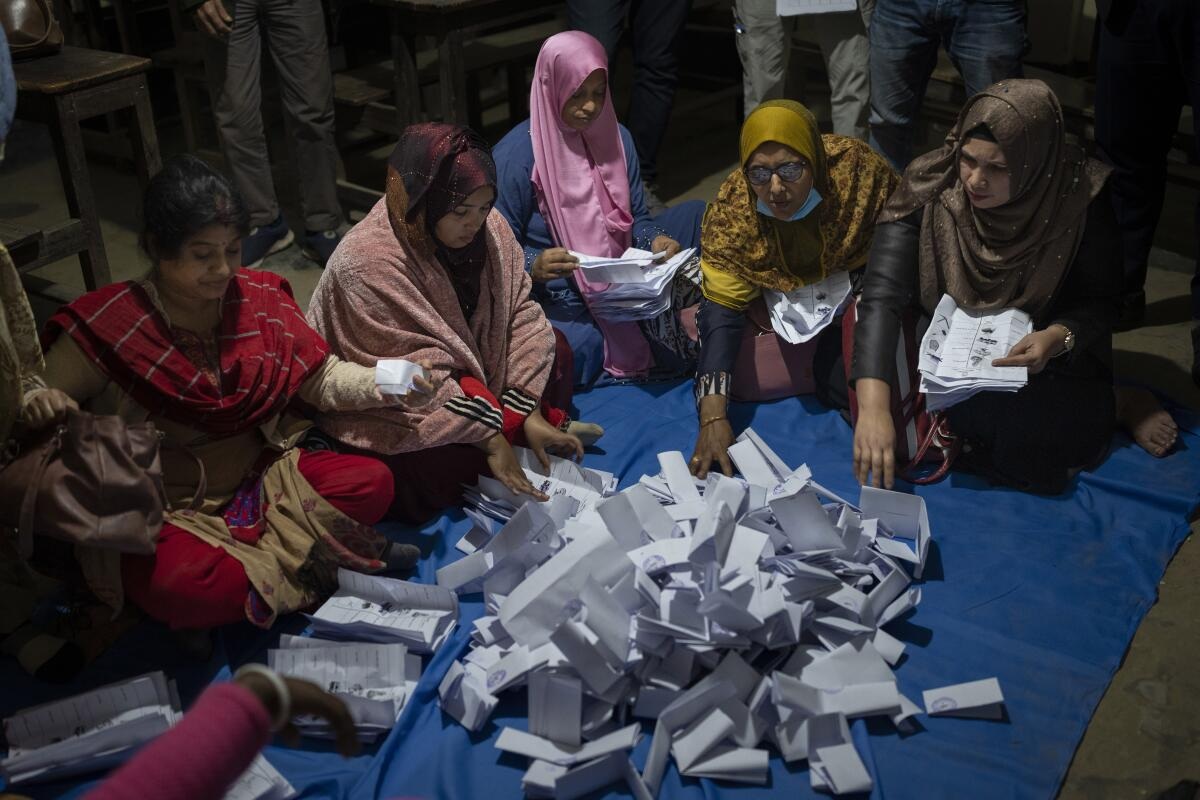
The most recent election saw the Awami League claiming a majority amid boycotts by major opposition parties. Low participation and political unrest post-election highlighted persistent challenges in electoral credibility and public trust. Former Prime Minister Sheikh Hasina and her party acted like they owned the country. She was the worst dictator ever in the history of Bangladesh.
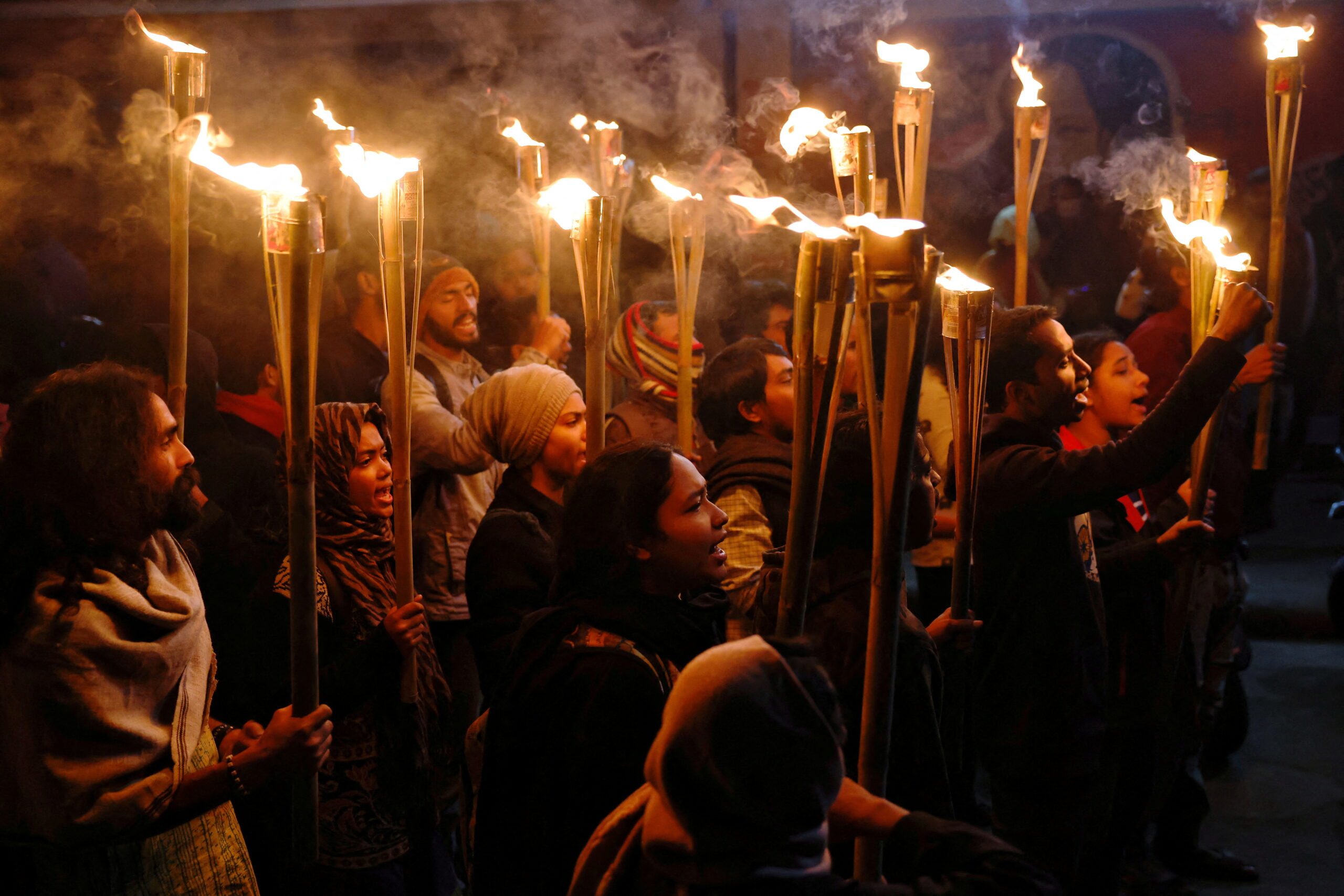
Bangladesh’s electoral journey, through victories, boycotts, reforms, and controversies, offers a mirror to the nation’s political evolution. This is a story of aspirations, struggles, and the enduring quest for a truly representative democracy. Now we look forward with hope to the 2026 election, where citizens can once again exercise their vote freely, fairly and decisively, shaping a future that reflects the true will of the people.