Keeping Eid-ul-Adha clean and fresh in Bangladesh goes beyond the kitchen. From homes and refrigerators to rooftops, courtyards and sacrificial areas, a few simple habits can keep the entire environment more comfortable, hygienic and manageable during the busy days of qurbani.
At home: start with smart separation and sealing
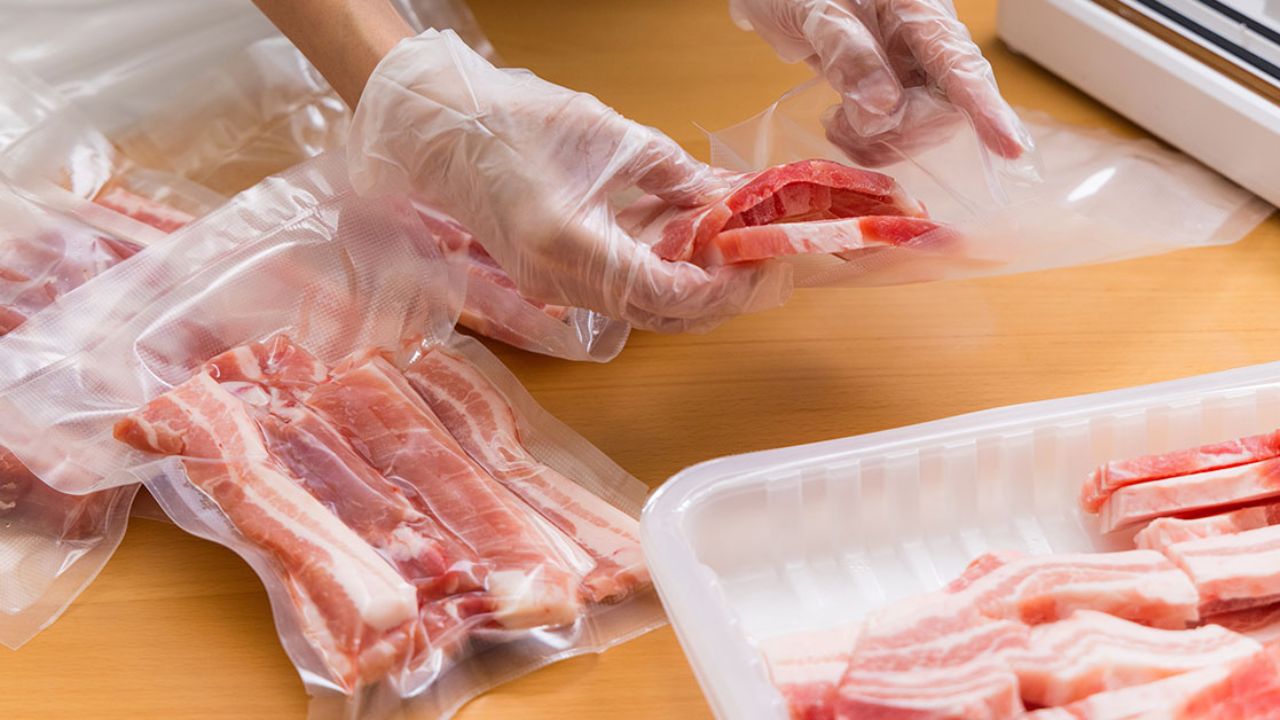
Inside homes, the first step is proper separation of raw and cooked meat. Airtight containers, thick zip-lock bags and double wrapping help prevent odour from spreading across rooms.
Storing meat in small portions reduces repeated opening, which is one of the main reasons smells spread indoors.
Keeping waste materials like fat, blood-soaked packaging and leftover scraps in sealed bags before disposal also helps prevent lingering odour inside living spaces.
Kitchen control: small habits, big impact
Simple kitchen discipline can make a major difference. Cleaning cutting boards immediately after use, washing knives in hot water and wiping surfaces with mild vinegar or lemon water helps neutralise strong meat smells quickly.

Natural absorbers like baking soda or activated charcoal placed inside the fridge continue working in the background, keeping enclosed spaces fresh even during heavy storage days.
Good ventilation is equally important. Exhaust fans, open windows in early morning or evening hours, and keeping kitchen doors open during processing help push odours out instead of trapping them indoors.
Around the home: keeping shared spaces fresh
During Eid days, meat handling often extends beyond the kitchen into balconies, rooftops and courtyards. These areas should be rinsed immediately after use to prevent smell from settling into surfaces.




Sprinkling a mild disinfectant solution or diluted vinegar on washing areas helps reduce odour buildup.
Waste should never be left exposed; instead, it should be sealed in bags and removed quickly to avoid attracting flies and creating a strong smell in shared spaces.
At sacrificial and processing sites: managing the open environment
At qurbani locations, especially in urban neighbourhoods and community spaces, quick cleanup is the key to maintaining freshness.
Blood and waste should be washed away immediately with water and disinfectant to prevent odour from spreading in the heat.
Using lime powder or bleaching powder in washing areas is a common practice in many parts of Bangladesh to help neutralise smell and improve sanitation.
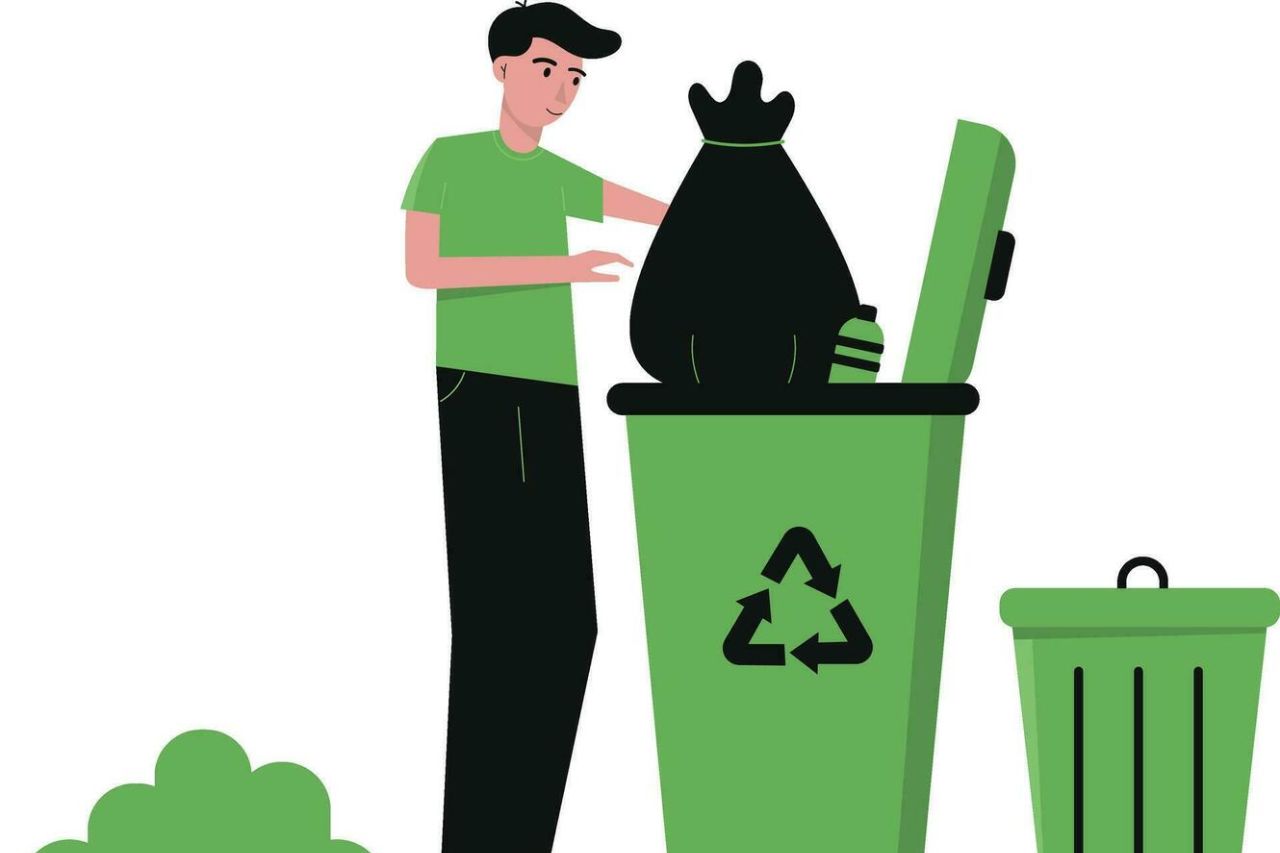
Designated waste collection points, if available, should always be used instead of open dumping.
Covering meat properly during distribution also reduces exposure to dust, flies and heat, which directly contributes to odour control.
Waste management: the most important step
Proper waste handling plays a central role in keeping Eid surroundings fresh. All organic waste – including fat, skin and unusable parts – should be packed in sealed bags before disposal.
Avoid leaving waste exposed even for a short time, especially in warm weather. Coordinated disposal with local cleanup systems or municipal services helps maintain cleaner streets and shared spaces during Eid days.
A cleaner Eid experience for all spaces
With simple habits across homes, kitchens and sacrificial areas, Eid-ul-Adha in Bangladesh can remain both joyful and hygienic.
From sealing meat properly to cleaning shared spaces quickly and managing waste responsibly, every small action adds up.
The result is a fresher environment – not just inside the home, but across the neighbourhood – keeping the spirit of qurbani clean, respectful and comfortable for everyone.